I’d put money on every canine caregiver requesting and expecting their dog to come out of a grooming session smelling less dog-like – it sort of comes with the role, right? But the truth is, a dog’s odour is rarely just about how often they’re washed, and sometimes, doggy odour is healthy!
Persistent smells can actually reveal a lot about a dog’s health, lifestyle, and even genetics, so for this blog post I would like to (very quickly) break down the factors to consider that contributes to canine odour, to help highlight why it’s important to understand different types of smells when caring for your dog.
The Skin Microbiome: Nature’s Self-Cleaning System
First of all, the skin is the largest organ of your dog’s body, and acts as a barrier, immune organ, and temperature regulator (Scott et al., 2001) therefore, it’s crucial that we respect its natural defences is key to long-term health and comfort.
A dog’s skin is home to a complex ecosystem of bacteria and yeast, known as the microbiome (Hill et al., 2021). This natural community helps protect against harmful pathogens and keeps odour in check.
There are various ways the natural cycle of a dog’s skin becomes compromised, and its self-cleaning function becomes disrupted, which I am now about to delve into…
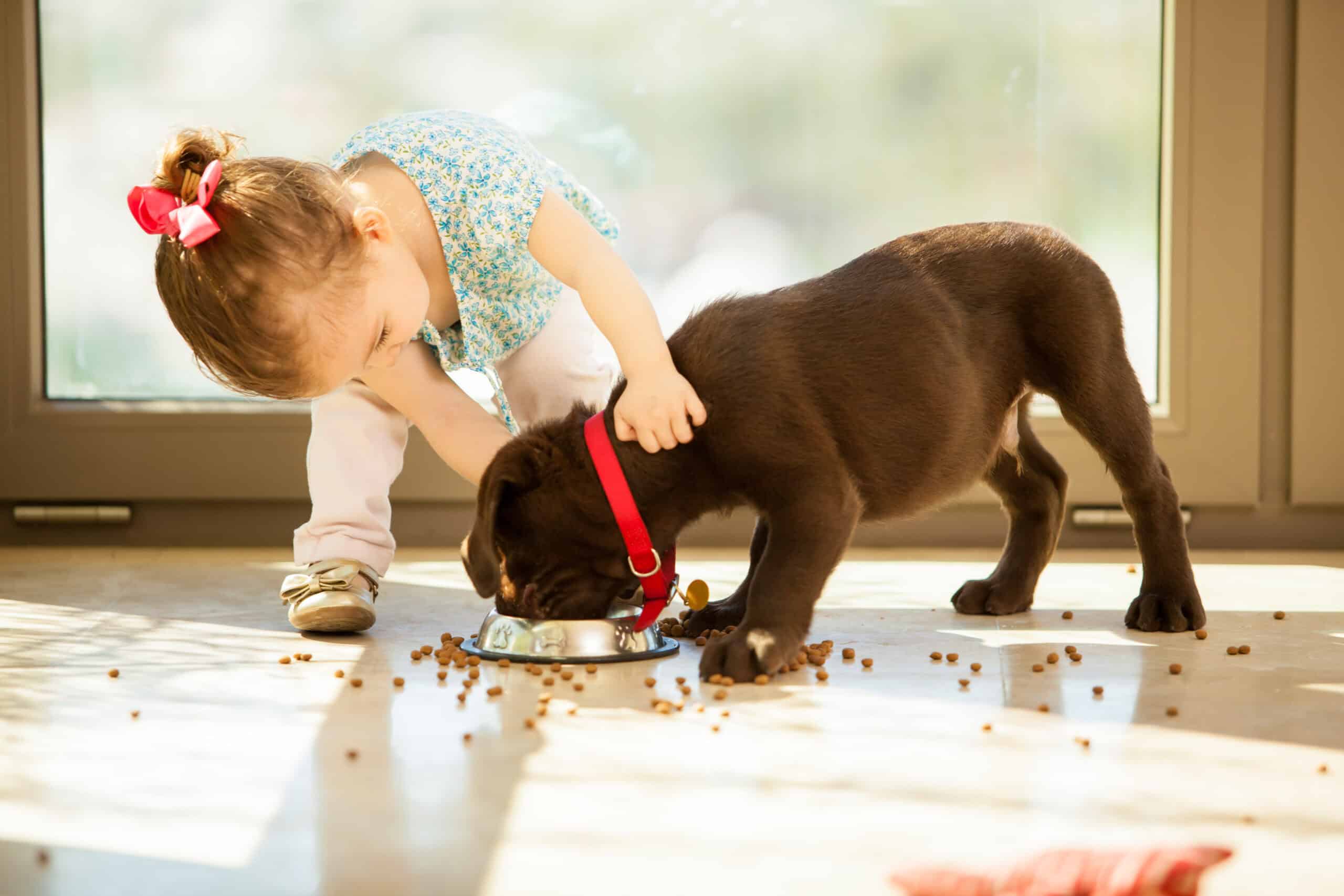
Diet: The Gut-Skin Connection
Poor nutrition or food intolerances can lead to excess oil production, flatulence, and changes in skin health, all of which contribute to odour (Hand et al., 2010; Freeman et al., 2013).
Diets rich in omega-3s and antioxidants support a healthy, less smelly dog with case studies showing that even chronic odour can resolve after a diet change.
Genetics & Coat Type: Some Dogs Just Smell More
Breeds with oily skin (e.g., Basset Hounds), skin folds (Bulldogs, Shar Pei), or double coats (Retrievers) are more prone to odour (Hensel et al., 2015).
This is because double coats trap moisture and debris, creating an ideal environment for bacteria and yeast to breed.
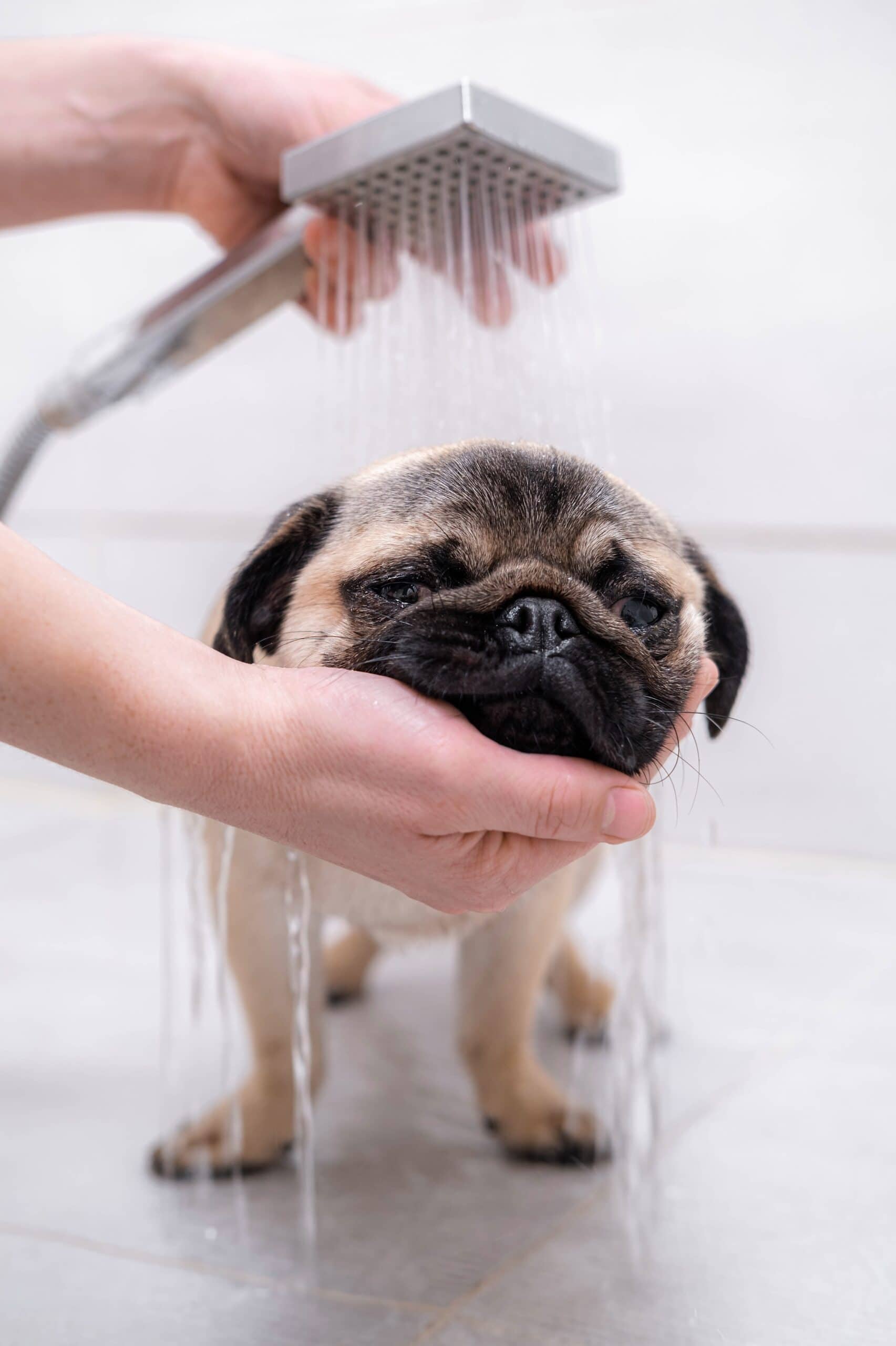
Over-Bathing: When Clean is Too Clean

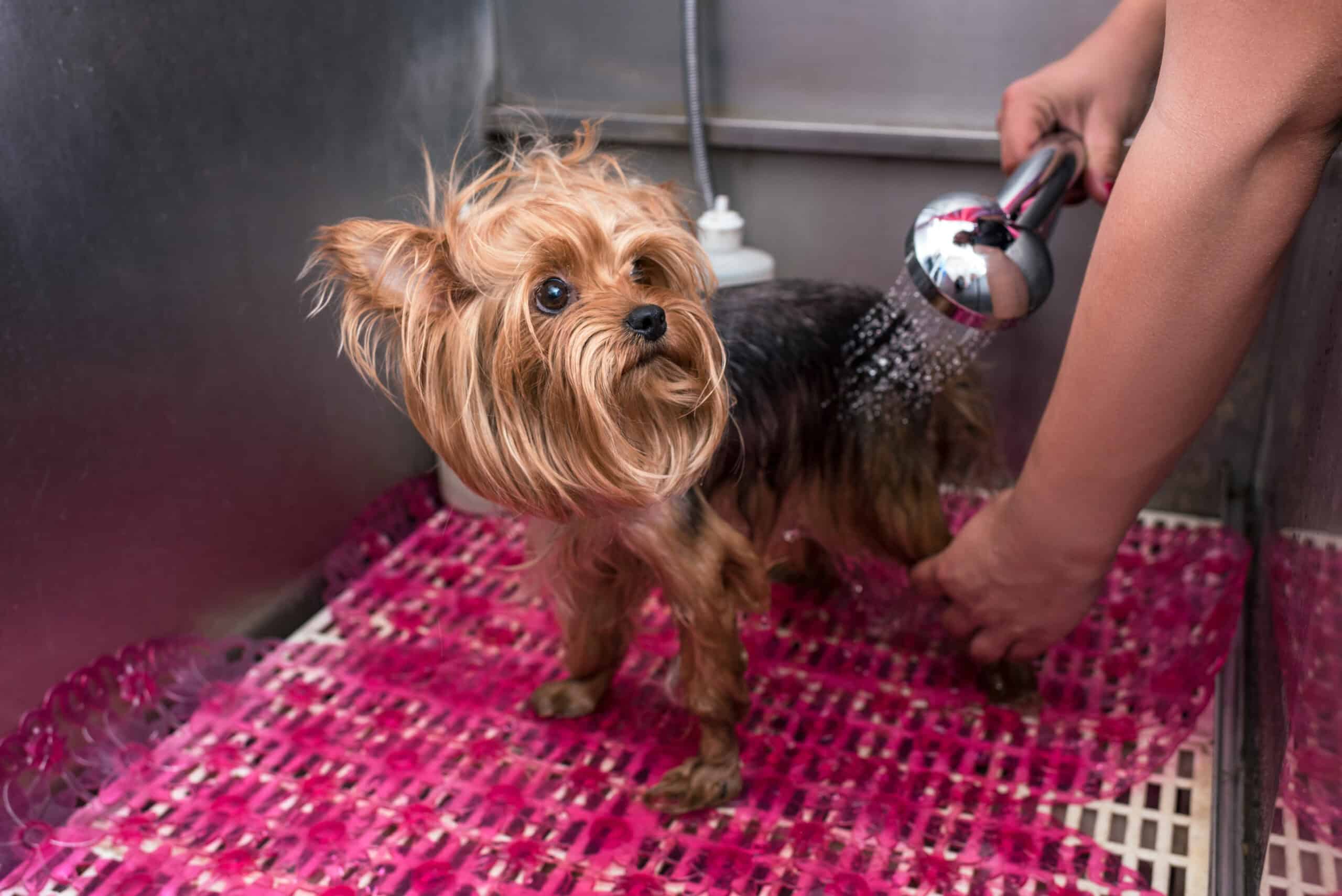
Bathing too often strips the skin of protective oils and disrupts the microbiome, leading to dryness, irritation, and rebound odour (Paterson, 2016).
It’s always worthwhile asking yourself why you are wanting to give your dog a bath, and ensure that any products you are using are suitable for your dog’s individual needs.
When I first trained in professional dog grooming, little information was provided on how to tailor bath time to dogs. Instead, we were given one shampoo and one conditioner to use for all dogs irrespective of breed, individual health and needs – based on what I know today, this approach is not only incredibly short-sighted, it’s dangerous.
Products should be considered on an individual basis. It’s not enough to simply buy a dog-friendly shampoo and hope for the best – understanding breed type, along with any existing health conditions, allows you to make an informed decision of which products are safest.
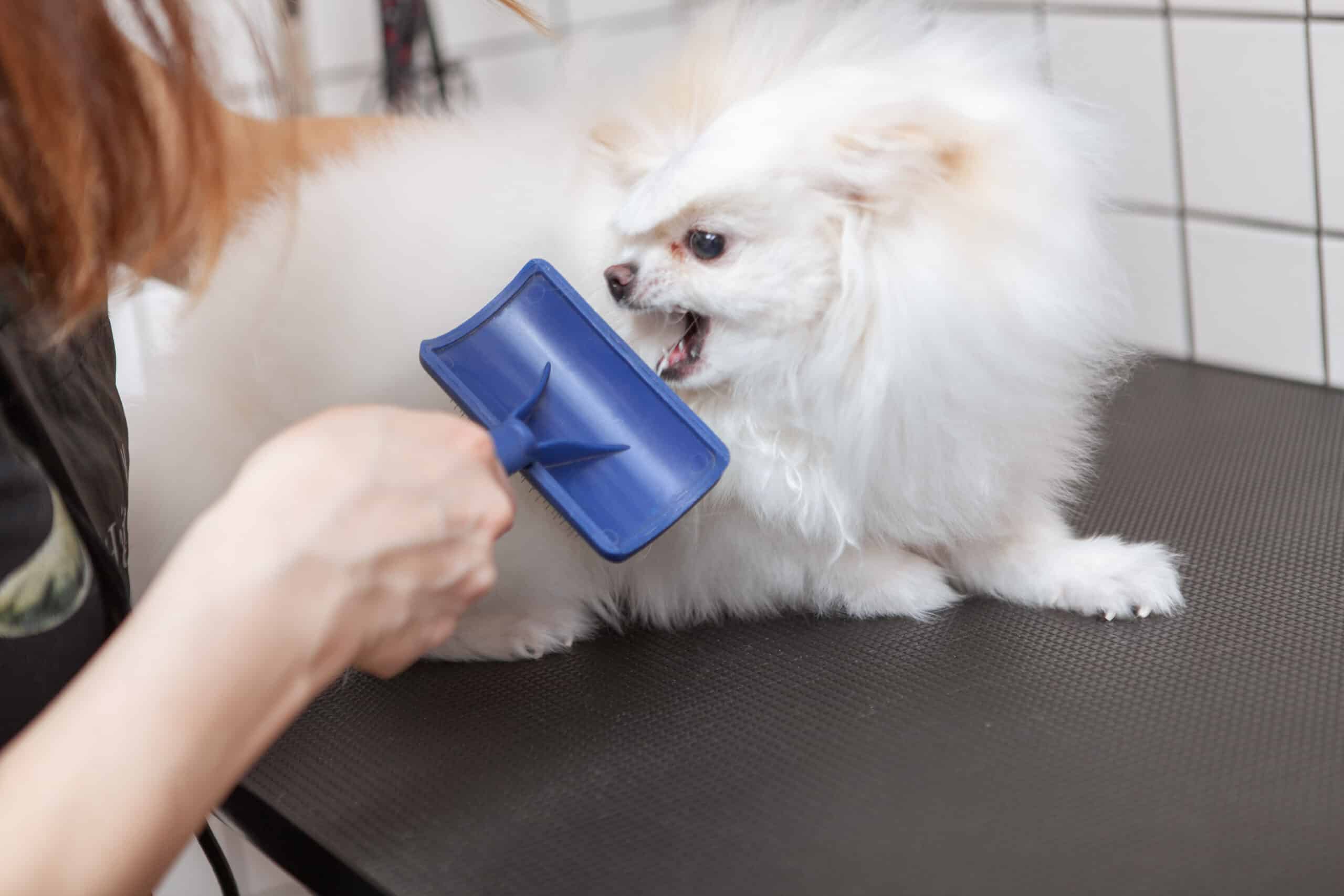
That, and things like water pH, water temperature and even the process of bathing, brushing and drying – all contribute to the health and current condition of your dog’s skin and coat (The DAATA Method).
Signs of over-bathing include:
- flaky skin
- itchiness
- greasy coat
Lifestyle & Environment: Smells Like Adventure
Dogs who love the outdoors, swimming, or rolling in the grass are more likely to pick up environmental odours (Miller et al., 2013).
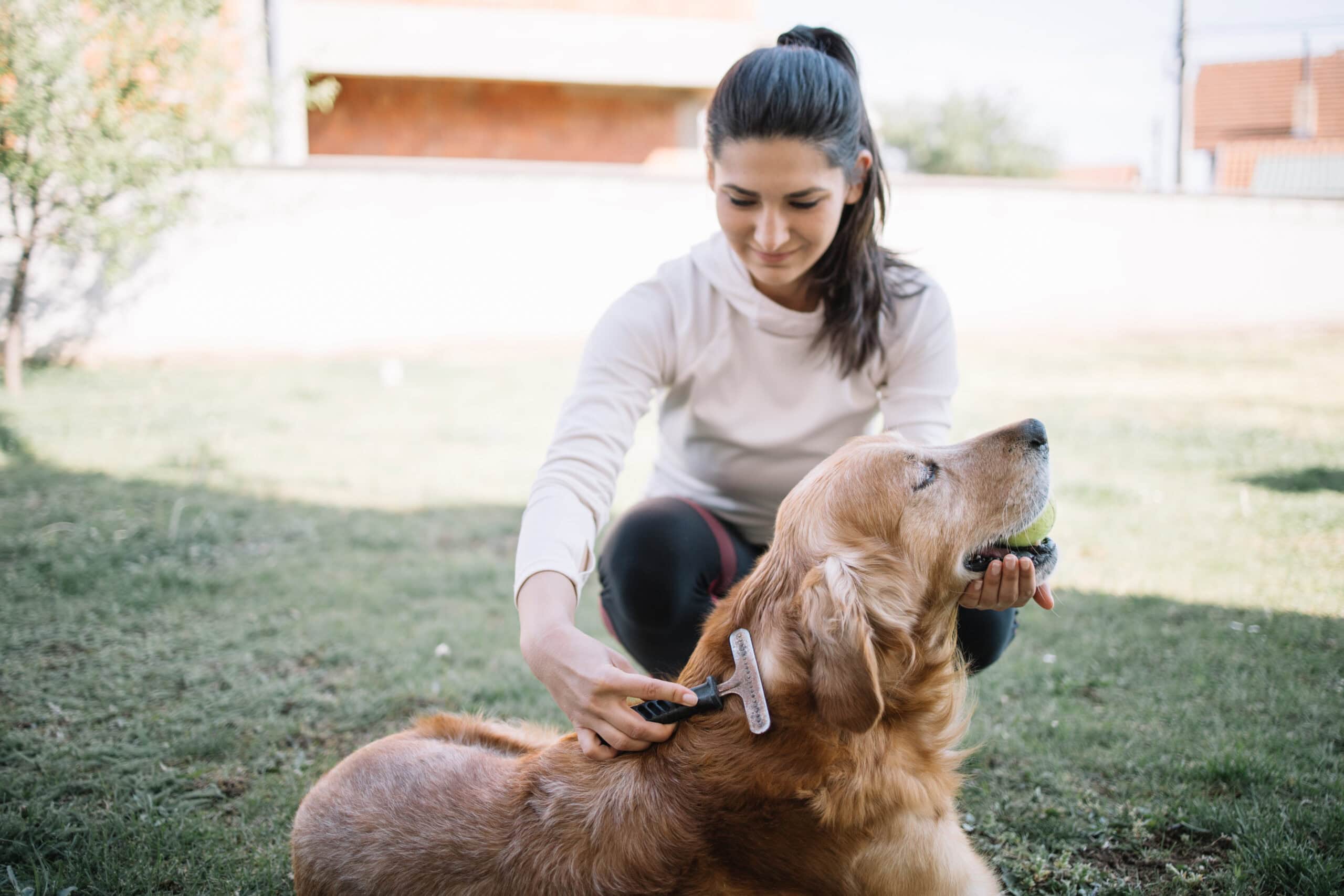
Regular brushing and drying after wet walks can help, but understanding that our idea of a nice smell differs from that of a canines, and when we interfere too much with their dog scent, we are also interfering with their ability to communicate with others of their own kind.
While it’s not ideal for your dog to come home smelling of wet dog, or worse fox poop, it’s worthwhile remembering that other smells might be present for a reason and if we are too quick to remove certain scents we can miss invaluable opportunities to identify other issues that may be identified early through smell as well.
When Odour Signals a Problem
Persistent or sudden odour can indicate health concerns, especially if a specific odour is different from what your used to.
Such as:
- Allergies (atopy, food, contact)
- Seborrhoea (excess oil)
- Bacterial/yeast infections
- Ear infections
- Anal gland issues
- Dental disease (bad breath)
- Endocrine disorders (hypothyroidism).
If your dog’s smell changes dramatically, consult a vet (Hill et al., 2021) as the chances are there’s something underlying needing to be investigated.
Bad Breath: When Odour is More Than a Skin Issue
When we think of dog odour, we often default to how a dog’s skin and coat smells but one of the most common culprits of bad odour is, of course, a dog’s breath.
Halitosis is usually a sign of dental disease, but can also point to gut or metabolic issues (Niemiec, 2008).
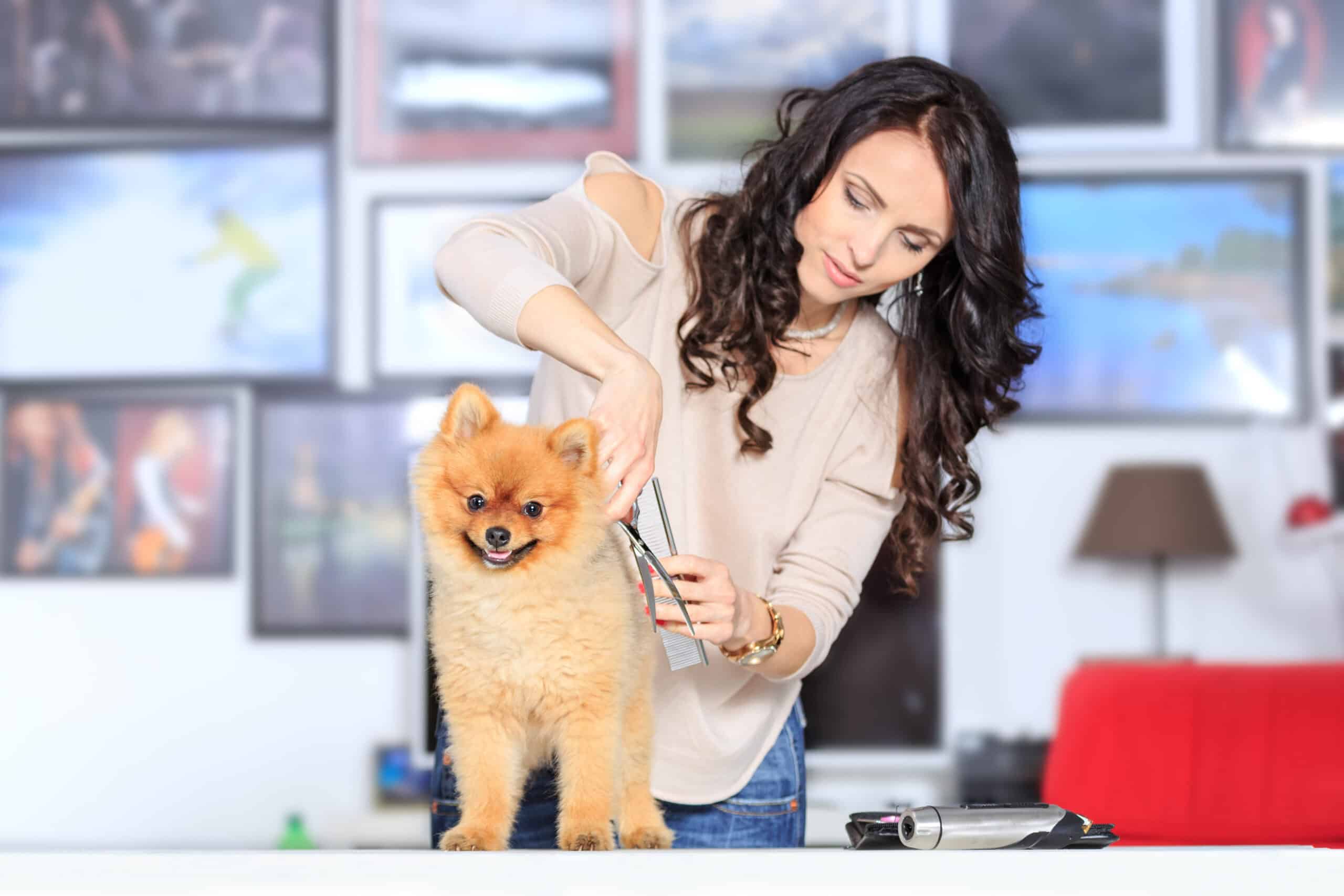
It’s not enough that a caregiver asks their groomer to brush their dog’s teeth during a routine grooming session, regular dental care and vet checks are also essential, along with an appropriate diet and ample opportunity for a dog to chew.
Ultimately, If Health Isn’t An Issue, Let Dogs Smell Like Dogs
A “doggy” smell isn’t always a sign of poor hygiene.
Fragrances and masking sprays can cause irritation or allergic reactions which can sometimes make odour worse.
Embrace a healthy, natural scent and focus on wellbeing, not just fragrance.
Remember that a dog’s sense of smell is significantly more advanced than a humans, and the use of strong and overbearing scents can not only cause the skin to suffer, but also cause other health conditions while also leading to more severe behavioural issues as well.
Want to Go Deeper?

The Ultimate Guide to Canine Odour: Science, Solutions, and Practical Tips is full of interesting facts and advice on how to better serve our dogs using science-led information and tips.
Learn more about the skin and other factors that contribute to canine odour, and discover ways to identify the difference between normal canine odours, and odours that may indicate an underlying medical problem.
Also included in this guide:
- Breed-specific advice
- Checklists
- Holistic strategies
Like Learning With Me?
If you are enjoying reading my posts, please consider signing up to my blog post today and receive my recent publications straight to your inbox!
Thank you again for your support in my work.
References
- Freeman, L.M., Chandler, M.L., Hamper, B.A., & Weeth, L.P. (2013). Current knowledge about the risks and benefits of raw meat–based diets for dogs and cats. Journal of the American Veterinary Medical Association, 243(11), 1549-1558.
- Hand, M.S., Thatcher, C.D., Remillard, R.L., Roudebush, P., & Novotny, B.J. (2010). Small Animal Clinical Nutrition (5th ed.). Mark Morris Institute.
- Hensel, P., Santoro, D., Favrot, C., Hill, P., & Griffin, C. (2015). Canine atopic dermatitis: detailed guidelines for diagnosis and management. BMC Veterinary Research, 11(1), 196.
- Hill, P.B., et al. (2021). The microbiome and skin health in dogs and cats. Veterinary
- Dermatology, 32(2), 123-134.
Miller, W.H., Griffin, C.E., & Campbell, K.L. (2013). Muller and Kirk’s Small Animal Dermatology (7th ed.). Elsevier.
Niemiec, B.A. (2008). Periodontal disease. Topics in Companion Animal Medicine, 23(2), 72-80. - Paterson, S. (2016). Topical therapy: current options and new developments. Veterinary Dermatology, 27(6), 476-e127.
- Scott, D.W., Miller, W.H., & Griffin, C.E. (2001). Muller and Kirk’s Small Animal Dermatology (6th ed.). Saunders.