Most aggression in dogs is not really aggression at all.
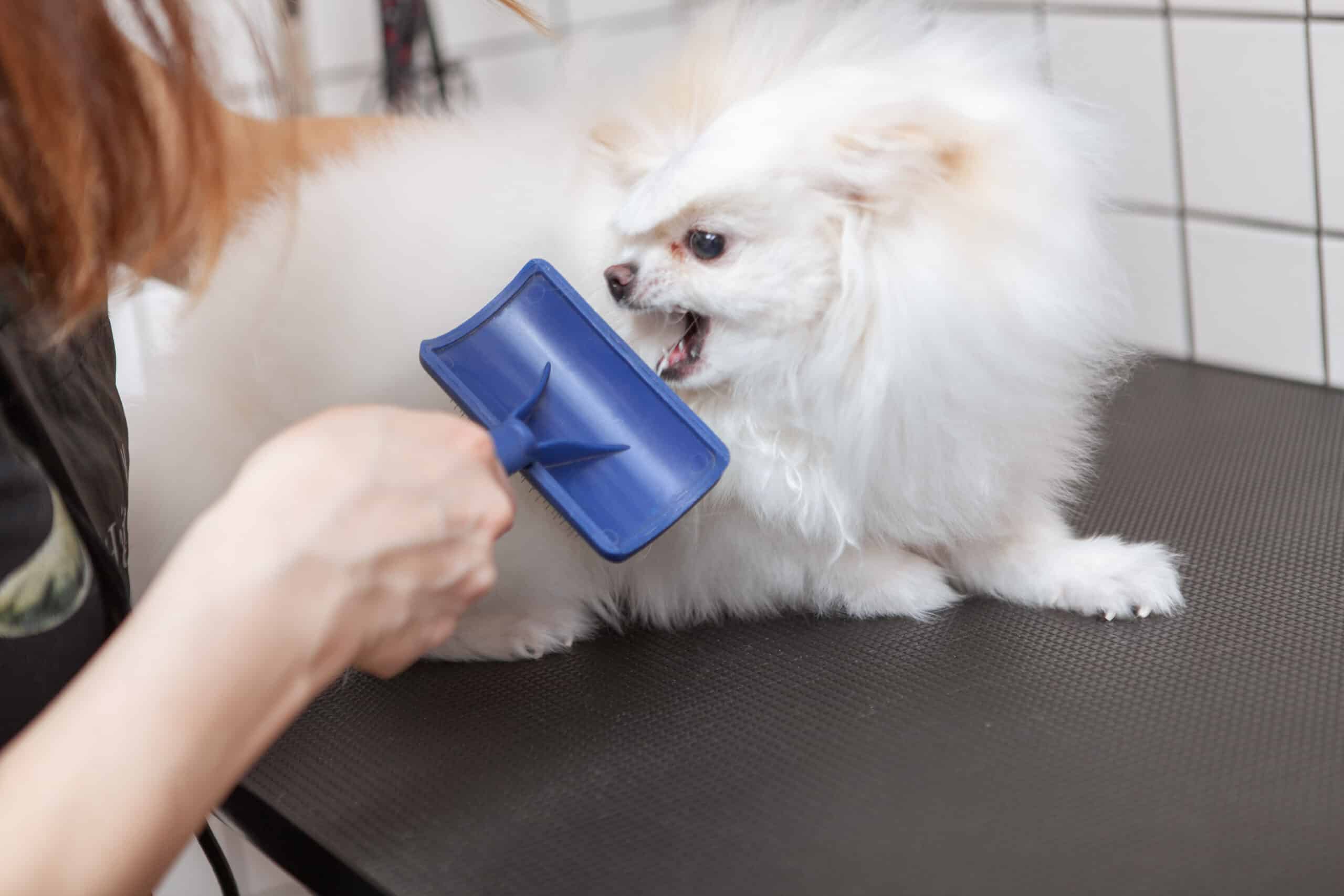
In many, if not all, cases a dog is expressing an underlying emotional need that is telling us they are scared, they feel overwhelmed, or they are experiencing some form of discomfort and/or pain. In the grooming salon, we often see behaviours like growling, snapping, lunging, and even biting quickly defaulting to labels like “difficult”, “naughty”, and “aggressive”. But these labels don’t explain the why behind the expression, instead they lead to misinterpretation and the occasional grooming ban.
Why the word “aggression” is so misleading
First of all, aggression is not a personality – it’s behaviour.
Aggression is a word used to describe a category/range of behaviours that can be harmful to dogs, and to those around them.
Aggression doesn’t define who a dog is either – even dogs with neurological disorders resulting in more aggressive tendencies, are not “bad” dogs, they are often misunderstood and as such, misrepresented.
Aggression actually isn’t a “bad” thing, but it is a problematic thing.
It’s important for groomers to remember that the majority of behaviours we encounter within a grooming context are explainable and very much biological, when coming from the perspective of a dog.
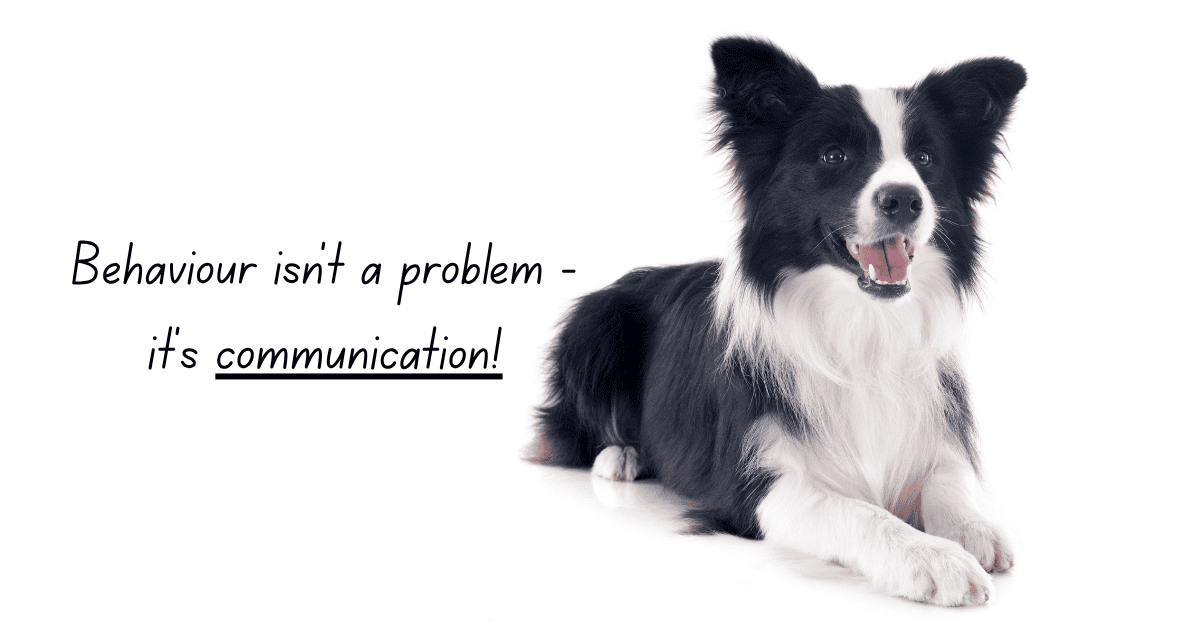
Aggression is behaviour.
Behaviour is communication.
Behaviour is the physical expression of an underlying emotional feeling and/or need.
When we spend too much time trying to describe behaviours rather than get to the root cause of why a dog is behaving in such ways, we fail to address the underlying need, which means we can expect an escalation of stress, rather than the neutralisation of it.
What’s really behind aggressive behaviour?
Rather than defaulting to “this dog is aggressive”, we can shift direction slightly to instead ask, “what is driving these behaviours?”.
In most cases where a dog is:
- barking excessively
- growling and/or baring teeth
- snapping and/or lunging towards an object or the groomer
- scratching, clawing and/or biting
They are feeling:
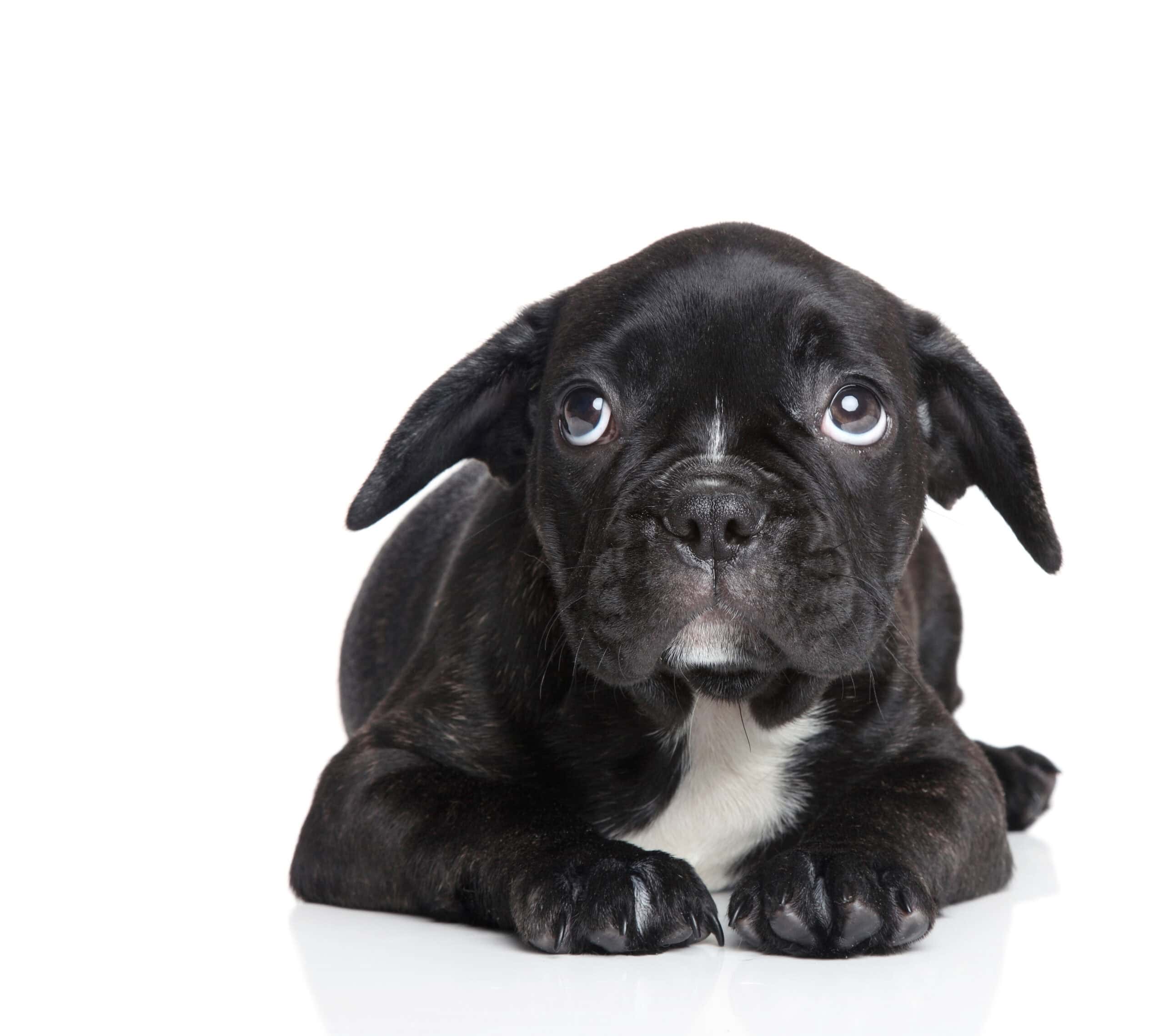
- fear
- anxiety
- confusion and/or frustration
- loss of control
- pain
And it’s no wonder.
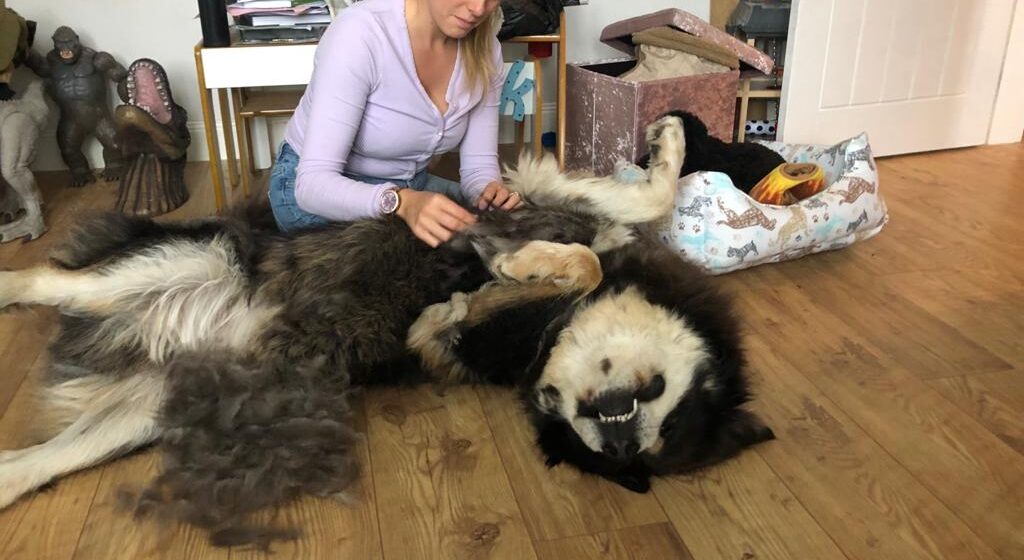
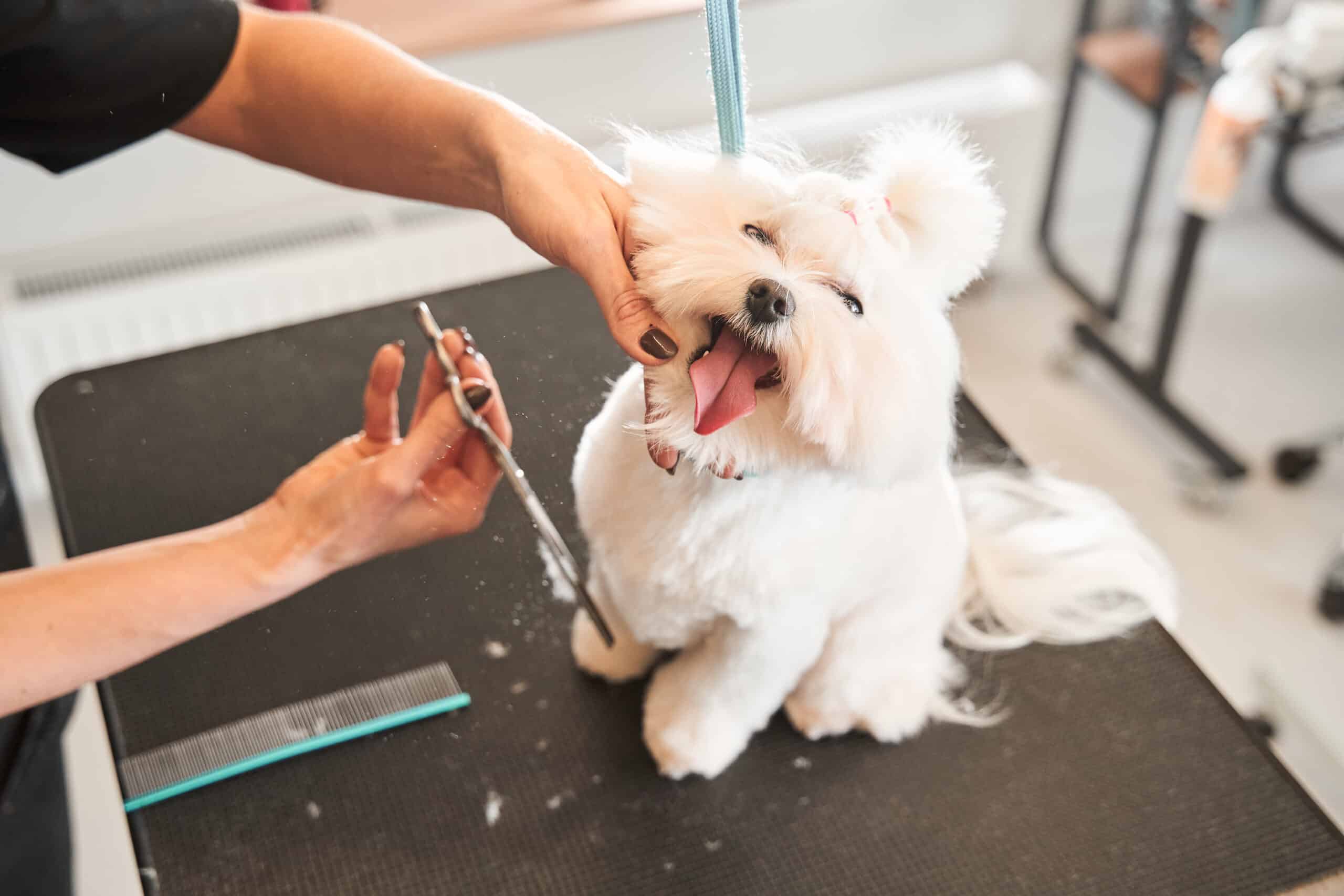
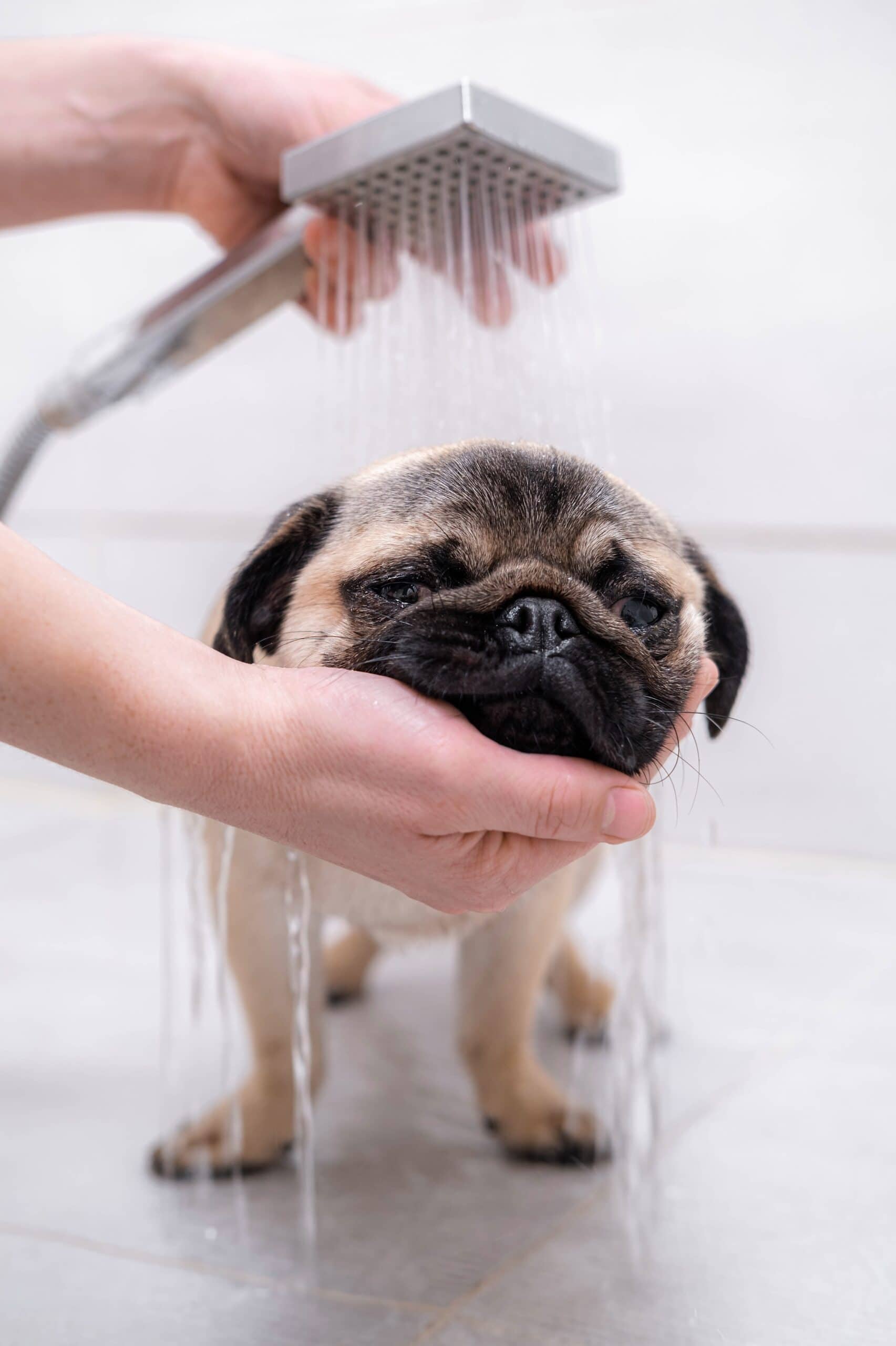
Grooming tasks put an immense amount of pressure on a dog, often with little opportunity for them to acclimatise to the process.
In a more conventional grooming salon, dogs are forced to endure:
- restraint (usually excessive)
- close physical handling and manipulation of joints
- sensitive body areas being touched, often with zero warning
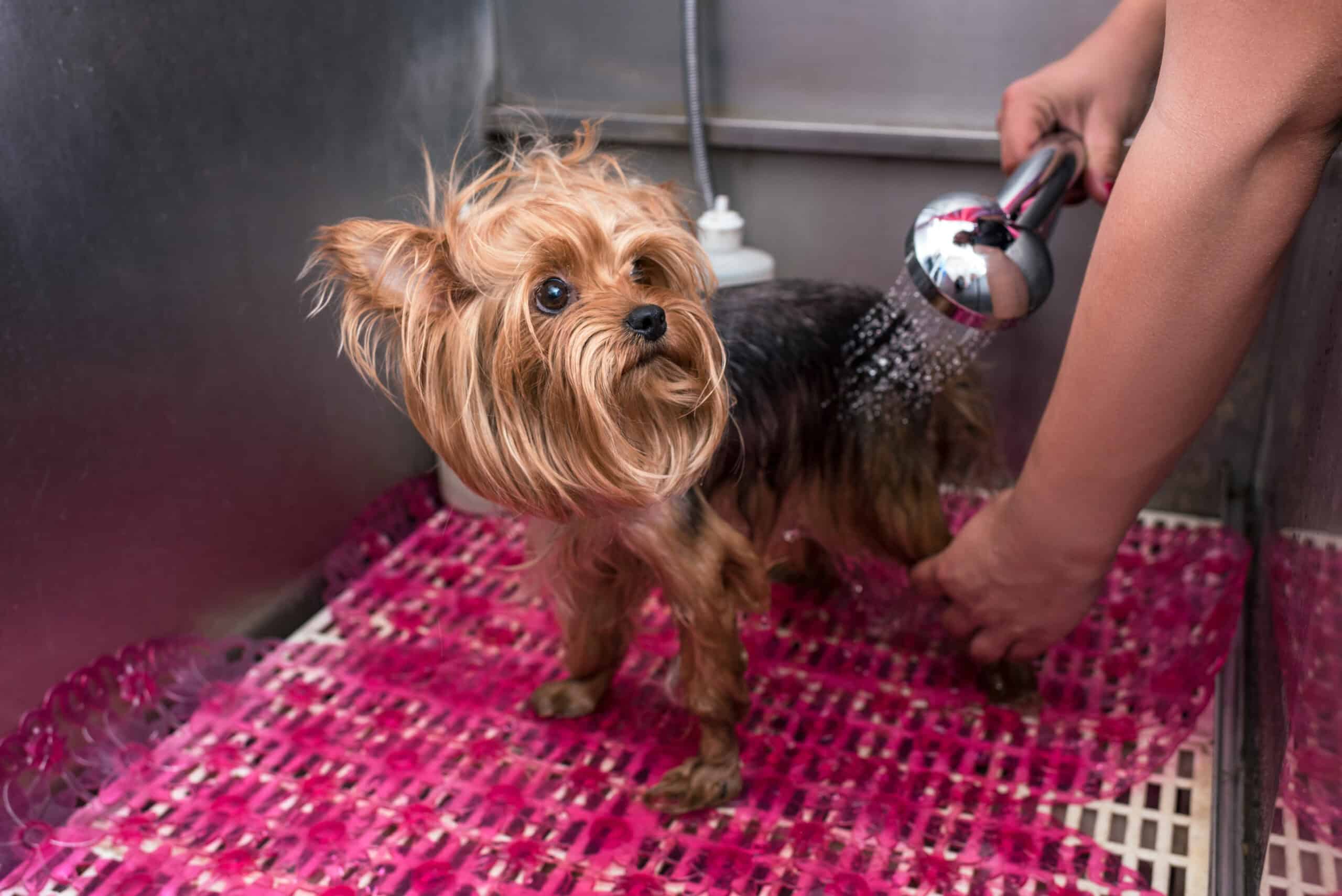
- loud and unfamiliar equipment, tools, smells and other sensations
Resisting dogs are not being “dominant”, “stubborn” or “disobedient” – they are struggling because they are overwhelmed.
There’s almost always an escalation of behaviours
Unless a dog has been exposed to an excessive amount of flooding, there will be a gradual (albeit, sometimes, subtle) escalation of behaviours meaning that rarely, does more aggressive behaviours come from nowhere.
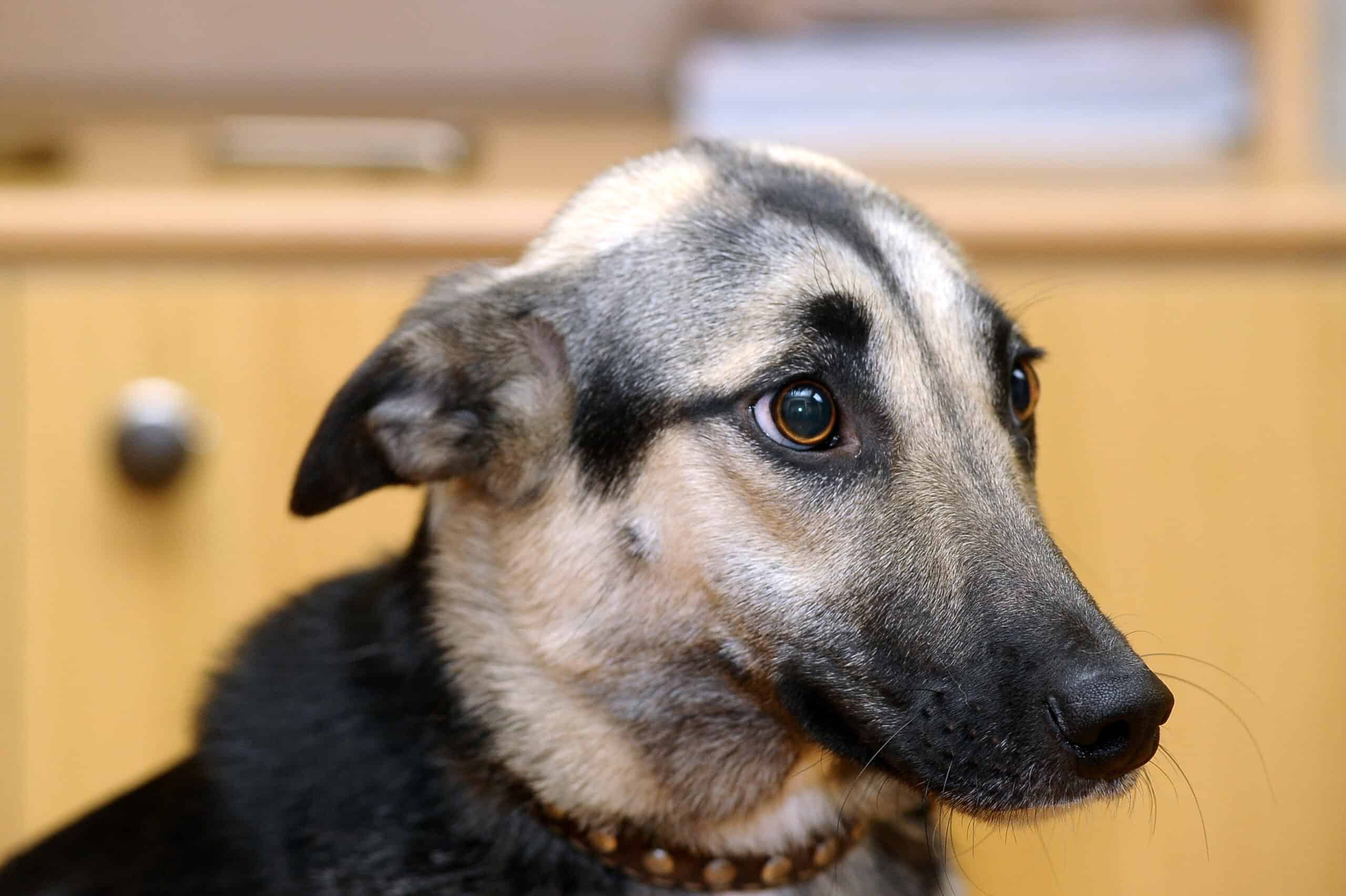
In reality, most dogs communicate long before we see growling, snapping and lunging behaviours.
An example of a gradual escalation might look like:
- looking away
- a paw lift
- lip licking
- yawning out of context
- body tension
- closed mouth
- freezing
- baring teeth
- growling
- snapping
- lunging
- biting
Each step is a signal – a communicative prompt telling the groomer to stop.
Failing to recognise a step, leads to the progression of behaviours.
What can we do to reframe the way we label dogs in the salon?
We can start by stopping the labelling altogether, and instead looking at behaviours as a way to help make the grooming process easier and less stressful for dogs.
We can work on developing our ability to effectively observe and interpret what a dog is communicating so that we can adapt the grooming process to consider what the dog is telling us.
And, finally, we can raise awareness of the importance of learning more about canine behaviour and communication, so that less people blame dogs, and more people begin to see them.
Learn more with The Holistic Grooming Academy
If you would like to advance your skills with one of the UK’s leading CPD Accredited courses in Behaviour Grooming Theory, join the HGA community here to learn more!
If you have any thoughts on this post, please feel free to leave a comment and/or share with your colleagues and friends!