The festive season is a magical time for many but for our canine companions, Christmas can bring a whirlwind of change – guests, noise, new smells, unpredictable routines, and excited children are all part and present with Christmas Day. Whilst we may revel in the celebration and festive season, dogs often experience increased stress which can manifest as anxiety, unwanted behaviours, or even health issues.
But as responsible carers, it’s our job to ensure their needs are not overlooked amidst the tinsel and turkey.
Why Christmas Can Be Stressful for Dogs
Dogs thrive on predictability and familiar routines.
Sudden changes, like an influx of visitors, loud noises, or altered schedules, can trigger a dog’s stress response (Overall, 2013).
This is because dogs, like humans, rely on routine to feel secure.
The stress hormone cortisol rises when their environment becomes unpredictable, potentially leading to behavioural issues or even physical illness (Beerda et al., 1997).
Child-Safe Interactions and Setting Boundaries
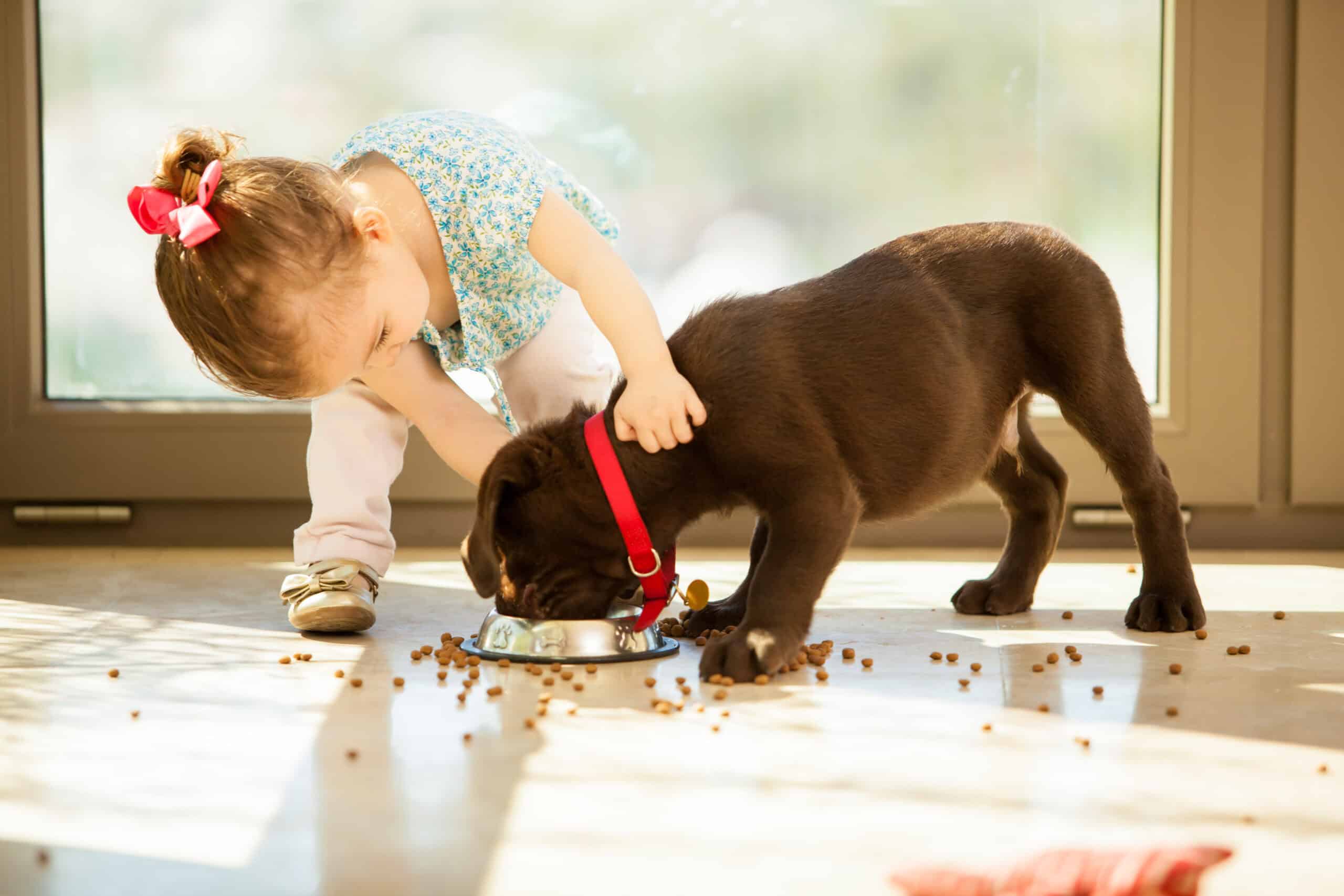
Children, especially when excited, may not recognise signs of canine stress.
It’s crucial to educate young guests on how to interact safely and respectfully with dogs.
For example, teach children to avoid hugging, chasing, and/or disturbing dogs when they’re resting. Additionally, children should avoid approaching dogs who are eating and/or playing with their new toys.
Studies show that most dog bites to children occur during unsupervised or inappropriate interactions (Reisner et al., 2011).
Simple rules, like the good old “let sleeping dogs lie”, can prevent accidents and keep everyone safe.
The Importance of a ‘Safe Space’
Every dog should have a designated “safe zone”.
A safe space is a quiet, comfortable area where they can retreat if festivities become overwhelming.
This could be a crate, a spare room, or a cosy bed tucked away from all of the action.
Providing this sanctuary is not indulgent; it’s an evidence-based way to reduce stress and support emotional wellbeing (Mills et al., 2014).
Dogs allowed to self-regulate by seeking solitude show fewer stress-related behaviours.
Consistency is Kindness
Try to maintain your dog’s daily routine as much as possible. Feed them at their usual times, stick to regular walks, and keep bedtime consistent. Predictable routines help buffer the effects of environmental stress (Hennessy et al., 1997).
If changes are unavoidable, introduce them gradually and with plenty of positive reinforcement.
Limiting Strangers and Managing Visits
Whilst we may be eager to host friends and family, it’s important to consider whether your dog is comfortable with visitors.
For some dogs a house full of strangers is simply too much. If possible, opt to visit others instead of hosting or limit the number of guests at one time.
Always supervise all interactions and never force your dog to greet or be handled by guests if they seem reluctant (Horwitz & Mills, 2009).
Practical Tips for a Calm Canine Christmas
Create a safe haven: set up a quiet, accessible retreat where your dog can enjoy a lick mat without any interruptions from friends and family – this is only effective if your dog actually finds the safe space, safe. Never use a crate, for example, if you are in the habit of punishing your dog in there (hopefully if you are reading my blog you are against the use of punishment anyway).
Educate visitors: Share your dog’s boundaries in advance and ask guests to respect them. This may sound quite cheeky, but remember that you are your dog’s advocate and they rely on you to speak on behalf of them to keep them safe.
Supervise children: If you plan on having children visit the home, consider gifting children my book, ‘I Can Be A Dog Detective!‘ in advance. Additionally, always monitor interactions between your dog and children. Excitement can lead to children running around and causing a dog to become highly aroused which can lead to injuries such as children being knocked over, or bitten. Encourage calm interaction only.
Stick to routine: Keep walks, meals, and rest times consistent if you can. Most dogs benefit from having a relatively consistent routine (especially if you tend to stick to specific times every other day). To help keep stress levels low, try your best to stick to your routine to avoid confusion and dis-ease.
Watch for stress signals: Lip licking, yawning, panting, or hiding are signs your dog needs a break from the hustle of Christmas. There are many ways you can help to prevent a build up of stress including offering your dog a tasty, long-lasting chew or a lick mat which naturally helps to reduce cortisol levels.
Limit new experiences: Save introductions to new people or pets for quieter times and don’t bombard your dog with too many interactions at the one time. It’s also important that visitors understand how to safely greet a dog – allowing your dog to greet them if they wish to, and discouraging them from extending a hand out to your dog’s face in an attempt to say hello.
Final Thoughts
Christmas can be a joyful time for everyone, including our dogs, if we’re mindful of their needs. By prioritising their safety and emotional wellbeing, we can ensure the festive season is as magical for them as it is for us.

If you are looking for an extra special treat this Christmas, why not consider purchasing ‘The Enchanted Christmas Treasury’. This is a very special advent book sharing 24 stories from writers around the world.
My input, ‘Puppy’s First Christmas‘, is featured on Christmas Eve and shares the story of a little dog meeting Santa Paws for the very first time.
You can purchase it via Amazon here, or listen to the FREE audio version of my poem here.
References
Beerda, B., Schilder, M. B. H., van Hooff, J. A. R. A. M., de Vries, H. W., & Mol, J. A. (1997) ‘Manifestations of chronic and acute stress in dogs’, Applied Animal Behaviour Science, 52(3-4), pp. 307-319.
Hennessy, M. B., Williams, M. T., Miller, D. D., Douglas, C. W., & Voith, V. L. (1997) ‘Influence of male and female petters on plasma cortisol and behaviour: Can human interaction reduce stress in shelter dogs?’, Applied Animal Behaviour Science, 61(1), pp. 63-77.
Horwitz, D. F. & Mills, D. S. (2009) BSAVA Manual of Canine and Feline Behavioural Medicine. 2nd edn. Gloucester: British Small Animal Veterinary Association.
Mills, D. S., Karagiannis, C. I., & Zulch, H. (2014) ‘Stress—Its effects on health and behaviour: A guide for practitioners’, Veterinary Clinics: Small Animal Practice, 44(3), pp. 525-541.
Overall, K. L. (2013) Manual of Clinical Behavioral Medicine for Dogs and Cats. St. Louis: Elsevier.
Reisner, I. R., Shofer, F. S., & Nance, M. L. (2011) ‘Behavioural assessment of child-directed canine aggression’, Injury Prevention, 13(5), pp. 348-351.