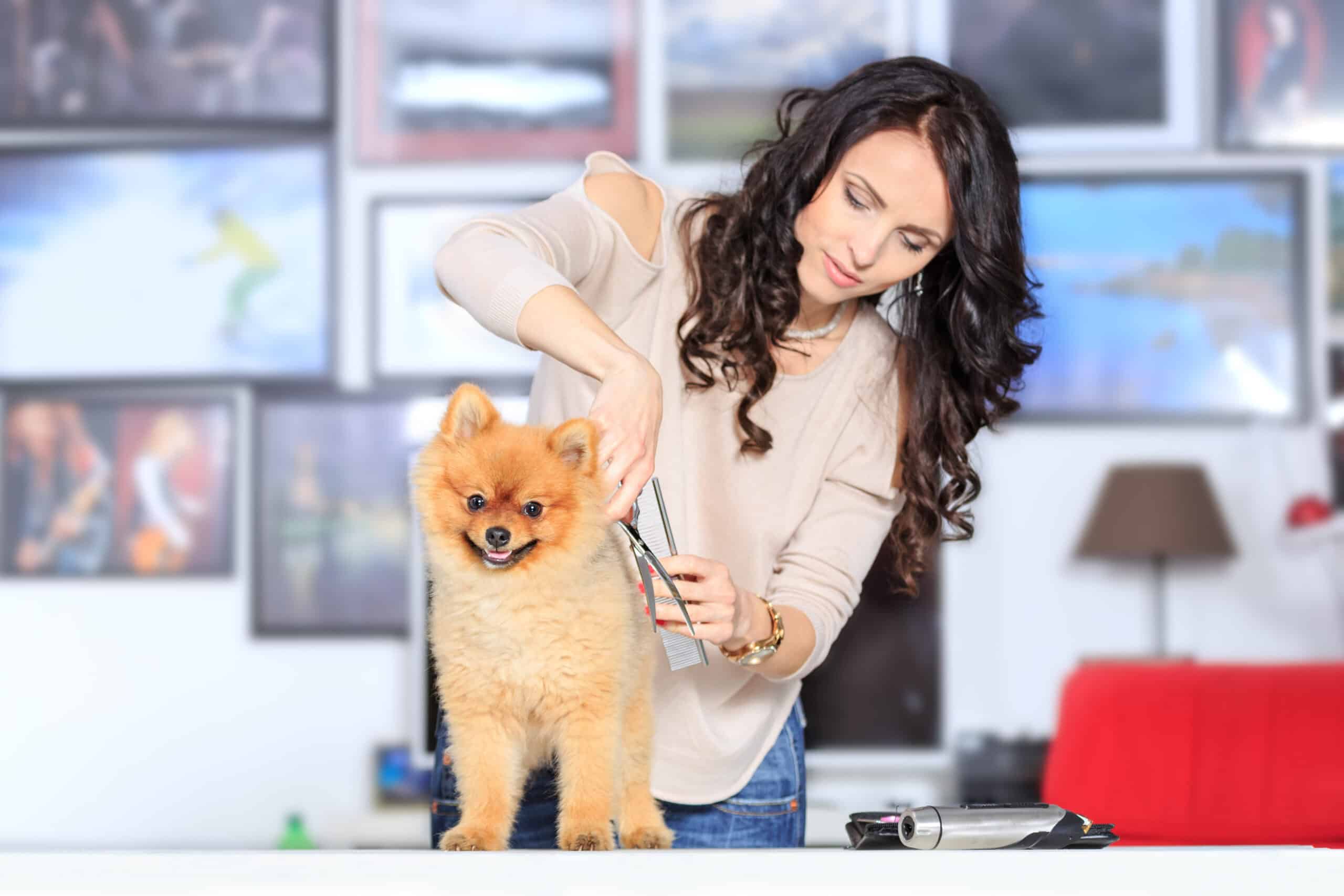
What are the common questions dog owners ask about dog grooming services? Over the years I have came across some recurring questions from the dog carer community, specifically when it comes to how dog grooming services are priced, how they are provided, and what to expect. Many of these questions relate to expectations, when to tip, how much you should expect to pay and other business-related queries – because if we strip grooming all the way back, it’s a business and those in the business need to earn a living.
So how do carers identify the right groomers for them, how do they know when they are being given the best possible service, what sorts of things should they consider before choosing a prospective groomer? All of these questions and more, are important, so let’s dissect them and get to grips on what’s what in an industry that is unregulated and therefore, unpredictable when it comes to customer service and quality of care.
So there you have it – some of the most frequent questions dog carers ask about dog grooming services. What’s your thoughts on the topics raised? Do you have a difference view in one or more of my answers, or do you agree? Let me know in the comments, and let’s start an interesting discussion! And if you would like to join my free community and connect with groomers and other carers with a strong interest in holistic grooming protocol specifically, check out our Skool page here.
What happens when you take your dog to the grooming salon?
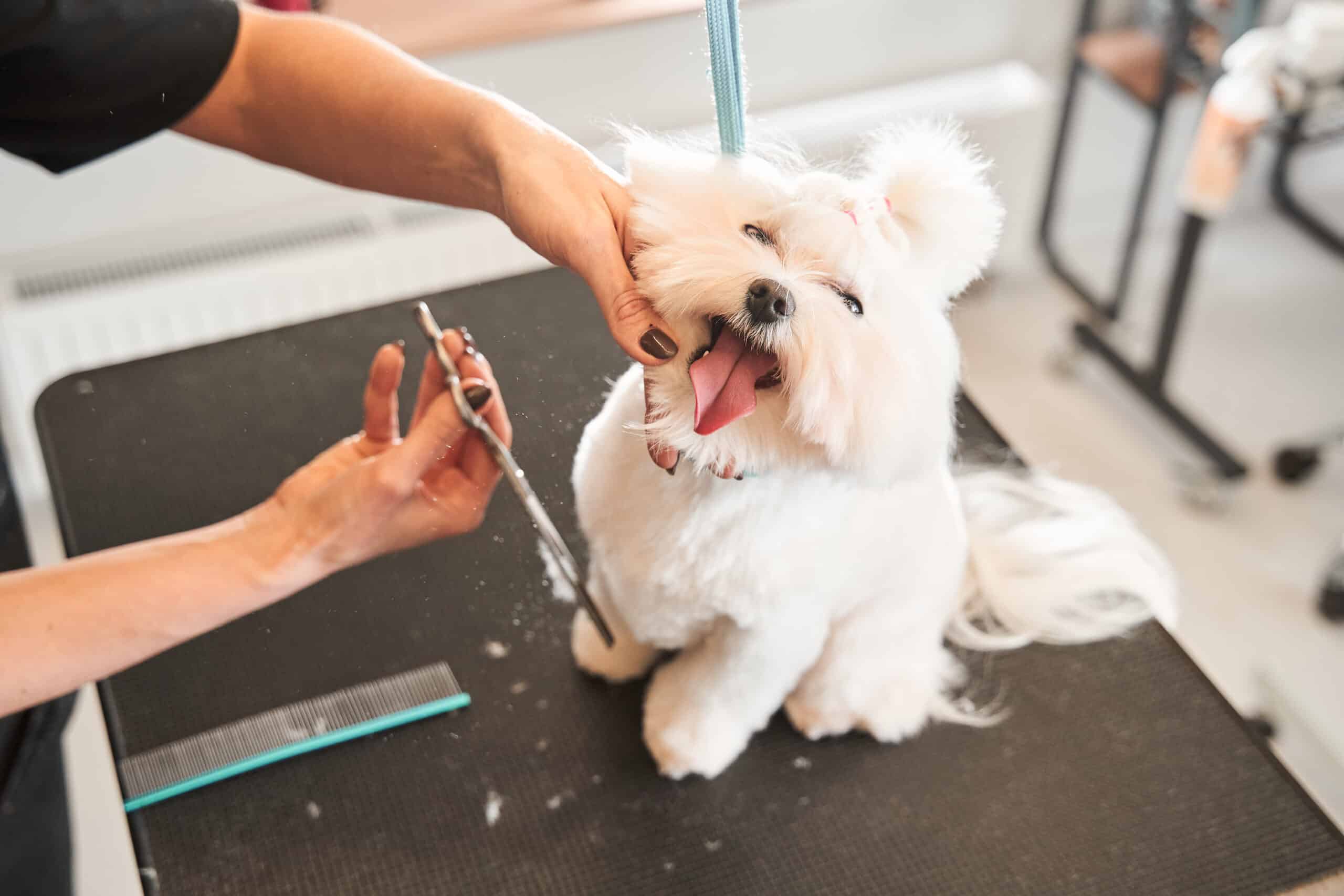
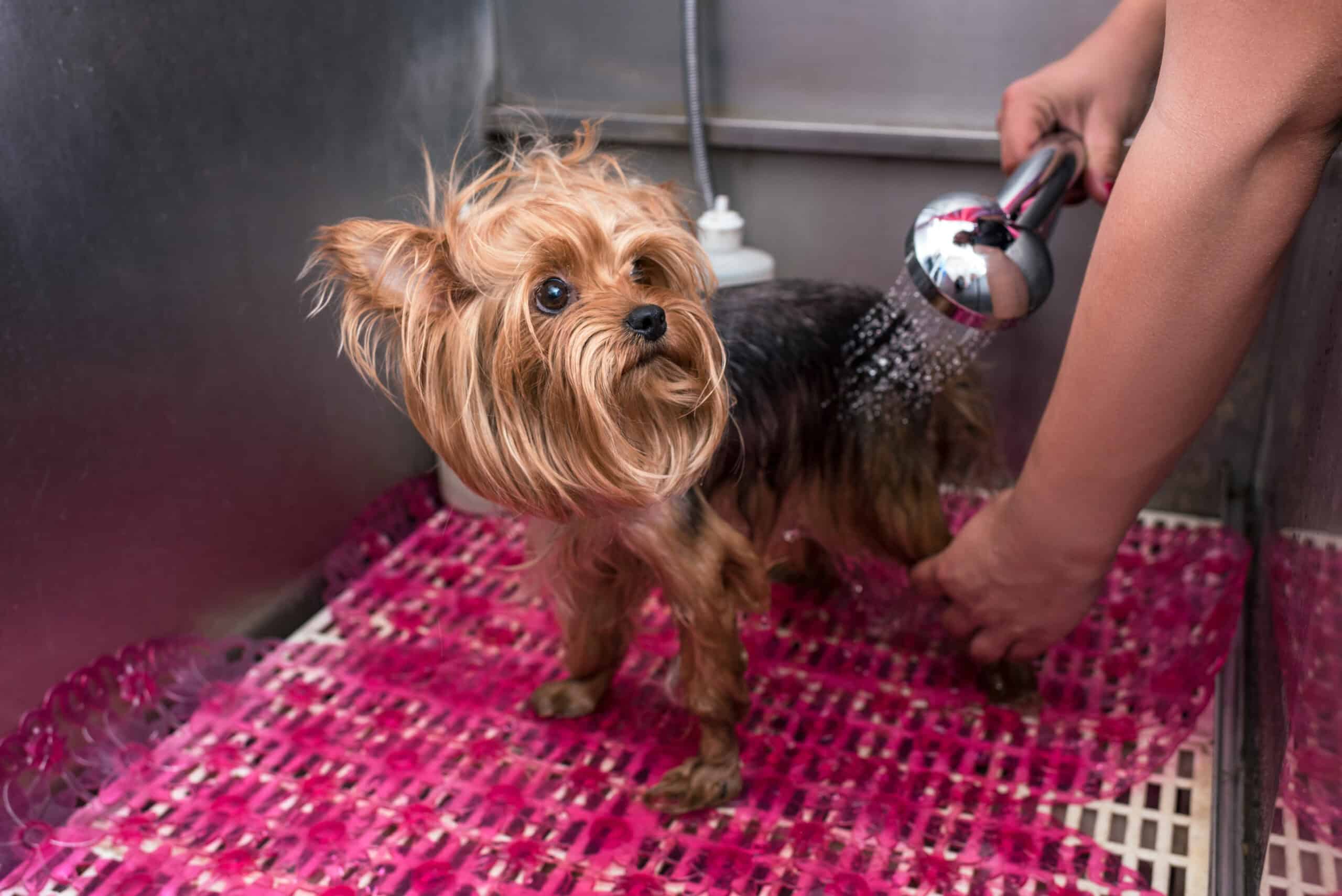
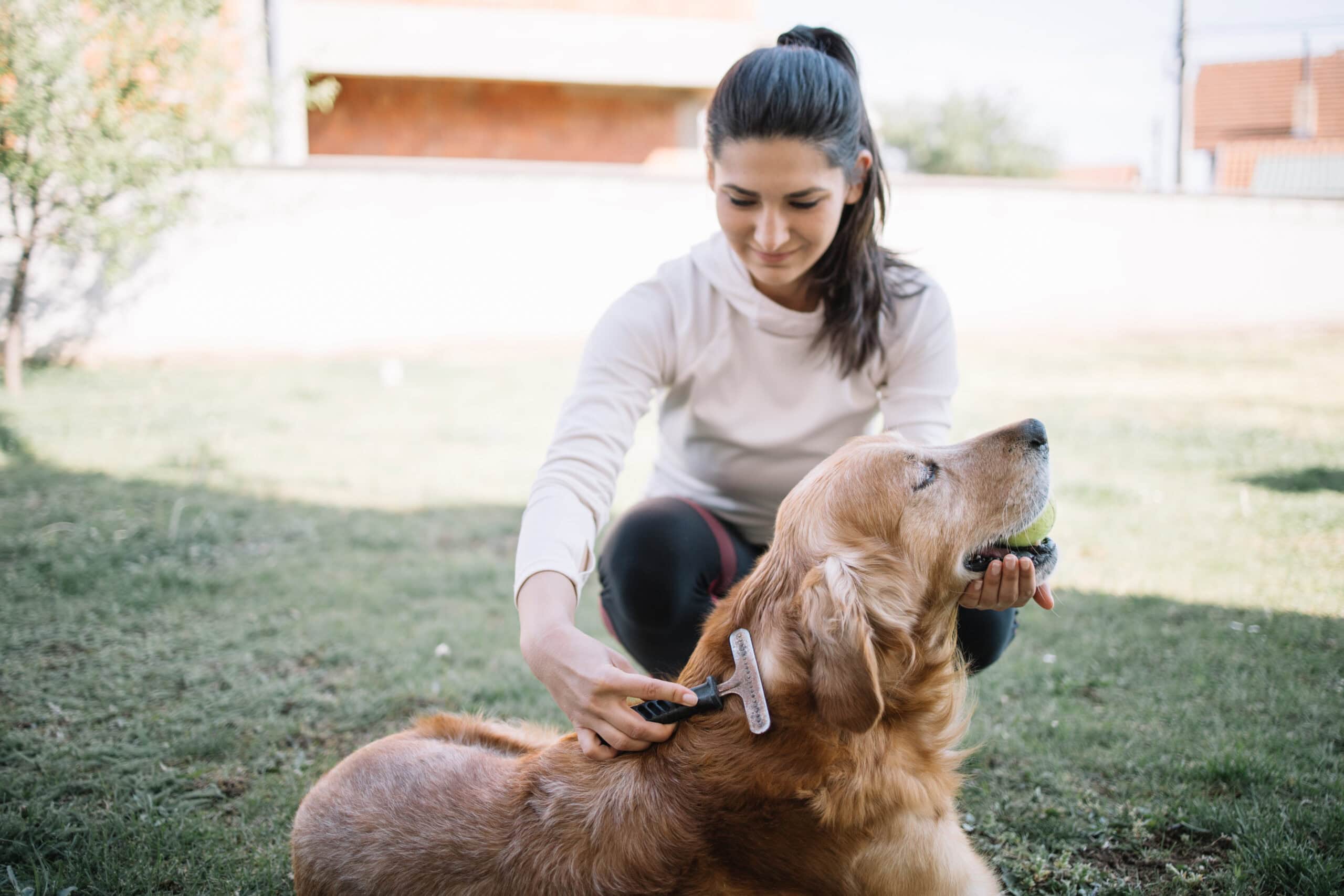
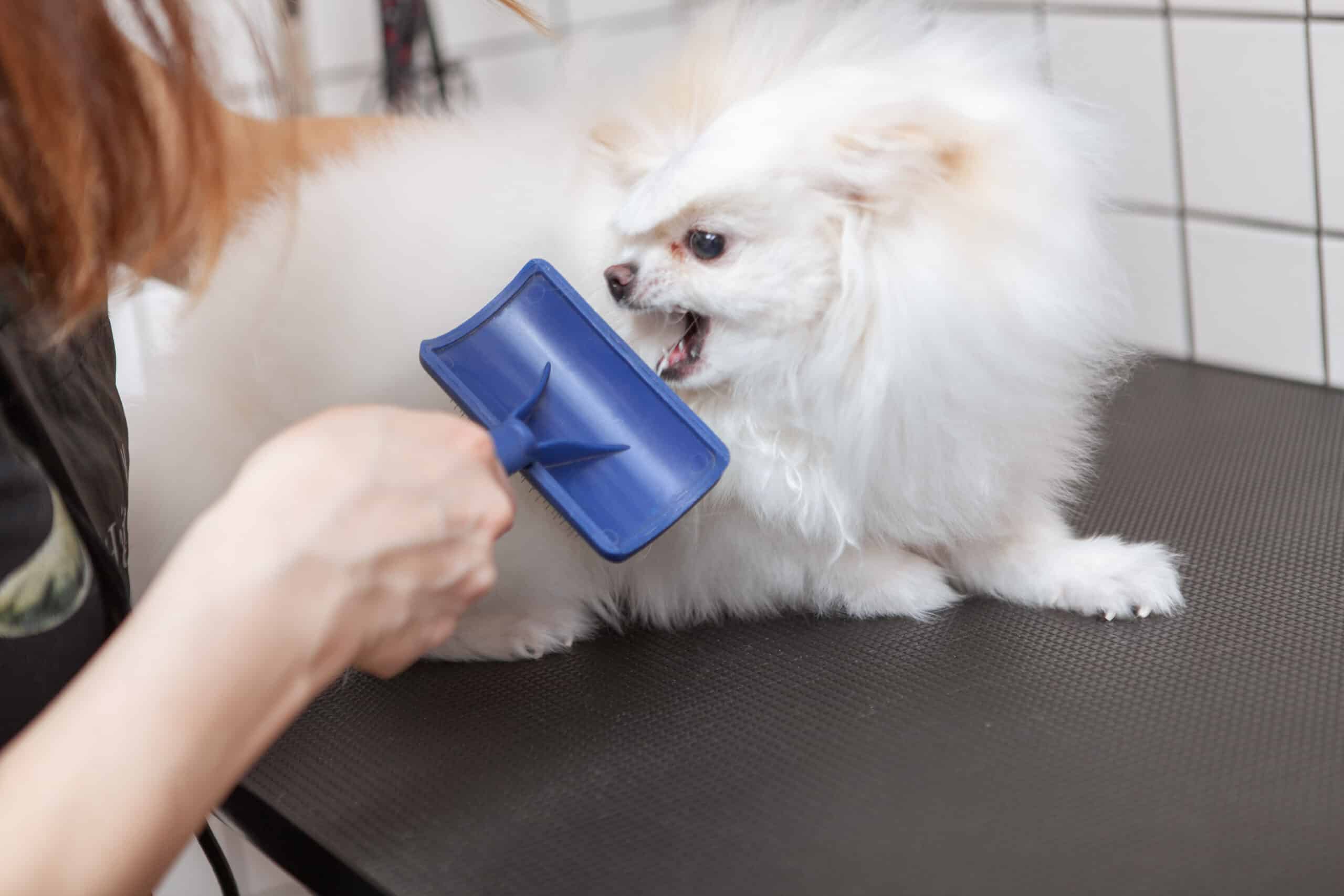
Many grooming establishments, especially those that are corporate-led chains and/or multi-dog based in busy high-street salons, will operate within a fast-paced environment, with a very specific process designed for efficiency. The environment can be incredibly stressful for dogs, and they tend to have a higher risk of accidents as a result of how busy they can be. Then you have grooming salons that operate on a one-to-one basis which allows each dog to have a much less stressful grooming experience that can accommodate to more bespoke needs. In most cases, the purpose and assumption is that a grooming session will always involve a series of grooming-related tasks that work at preening a dog to look at certain way. There is an expectancy to ensure that a dog leaves the grooming salon looking and smelling fresh and freshly cut. However, there are more establishments taking a more mindful approach to grooming that not only focuses on the aesthetics of the skin and coat, but also the emotional well-being of a dog throughout a given grooming appointment. Grooming expectations are relative to the individual dog carer and it’s important to ask yourself what you want before choosing which grooming establishment to take your dog too. What you perceive as good value will differ from the next person. For example, one person may base value on how beautiful their dog looks post-groom irrespective of the method in which the groomer took to achieve it, while someone else might value how experienced a groomer is at desensitising their dog into enjoying the grooming process first. What do you value most?How long should a grooming appointment last?
This will, again, depend on the service you require, and more importantly, your dog’s individual needs. It’s important that both groomers and dog carers remember that a grooming session can sometimes take longer or less time depending on various factors, including:- the breed of dog
- the dog’s current skin and coat condition
- the dog’s health and temperament
- the grooming facilities and available assistance
- the groomer’s experience
Does taking a long time to groom mean my groomer is not experienced or good enough?
Of course, we know that specific breeds will take longer to fully groom irrespective of temperament, health and other factors because their size, coat type and/or both. Typically speaking, a curly coated breed might require more time due to the very strict breed standards in place that require a more intensive grooming schedule and more advanced styling skills (such as Poodles). Double-coated breeds will also take longer, particularly during moulting seasons, due to the build up of dead coat needing to be removed to allow for their nice summer coat to thrive (from personal experience, I have noticed this is all-the-more strenuous a process on dogs who have been neutered/dressed before they have reached maturity where their coat doesn’t seem to moult as effectively on it’s own). Mixed/combination coat types can also prove problematic due to their inconsistent structure – no two mixed breeds are the same, and therefore it can take more time initially to get used to dogs who are mixed with a combination of two very different coat types (Cavashon or Goldendoodle for example). But, breed alone isn’t enough to determine how long a grooming session should be. Dogs with health conditions or age-specific restrictions also require extra time to compensate for developmental and/or medical side-effects (for example, a geriatric dog or puppy will require more opportunities to rest and go to the toilet during grooming sessions). In my own practice, I tend to keep all grooming appointments, irrespective of breed, to a maximum of one hour unless the dog in my care is relaxed, calm and willing to stay for longer, or, where I am dealing with a welfare case and matting needs to be removed to prevent prolonged suffering. In any case, there’s certainly a great deal of pressure placed on groomers to groom dogs within a specific time frame with many training centres emphasising the importance of grooming as many dogs as possible in a day. Not only does this mindset fail to recognise dogs as individuals, but it also leads to:- more anxiety and stress due to a rushed service
- more accidents due to short-cuts being taken to speed up the process
- feelings of worthlessness
- imposter syndrome
- groomer burnout
The risks of being pressured by time
If we aren’t careful, quantity can directly impact quality of service, and not in a good way. When I come across posts that boast about a groomer having groomed 15 dogs in a day, my first question is usually “How many of those dogs enjoyed, or even, felt relaxed during their session?”. Not to assume or discredit anyone, but it’s not an unfair assumption that a rushed service leads to a stressful one, for all involved. For example, when working with nervous dogs, it’s not unusual to witness the overuse of physical restraints on dogs during grooming sessions as a way to get the job done as quick as possible. For a more behaviour-trained eye, it’s clear in these instances that a dog is struggling to cope, which in itself, raises some welfare concerns straight away. The more important question therefore is: Is achieving the successful grooming of a certain quantity of dogs in a day worth risking the emotional, physical, and physiological harm it causes dogs with more specialised needs? While I am not saying it’s not possible to aspire to groom a dog from beginning to end over a shorter period of time, what I am saying is that this approach absolutely requires that the dog is carefully, and gradually, introduced to the process of grooming first so that they are willing to participate in grooming with little stress. Anything less, in my opinion, is borderline in breach of The Animal Welfare Act 2006.How much should a dog groomer charge?
It is really important to remember that the price of your dog’s grooming session will (or at least, should) depend on more than just how well the groomer has achieved the desired trim. Like any other business, dog grooming prices must be based on:- Overheads/costs to operate (including rent, utilities, cost of goods, cost of tools/products/equipment, insurances, professional development, wages)
- Demographics (based on the targeted clientele affordability and demand)
- Clean up time and any unforeseen expenses (including damage to equipment/premises, bites, injuries, parasites, exposure to zoological diseases etc).
- Travel and fuel (where applicable)
- Groomer experience, qualifications, certifications and reputation
- The dog’s specific needs (including health, history, general temperament, coat condition etc).
Can I negotiate prices with my dog groomer or request a refund if I’m not happy?
Of course, that’s entirely up to you. In the olden days, people haggled skillsets, and swapped trades to get things done – currency was skill, not money. I had a client who would do my eyelashes in return for me grooming her dog – this is an amazing example of a different way to pay for a service that you value, that still makes sense, where both parties benefit. But typically speaking, in society today, everything is about money, and affordability, and you barely ever hear about people trading skills as a way to pay for products/services. If you strongly believe that you have been overcharged for a service, it is your right (by law) to raise a concern and request a full or partial refund BUT you must be reasonable with this. For example, injuries/accidents can happen, even in the most cautious of venues – this is a risk you take when booking your dog in to be groomed. When you go for an operation, you will be asked to sign a waiver which instantly relieves the surgeon of any liability should the procedure go wrong, equally, when your dog goes in for surgery, you sign a similar document to say you are aware of the risks of death – grooming is different only in the fact that they are working with dogs while they are active and fully aware of the procedures being carried out. Just imagine how skilled groomers must be to ensure that accidents don’t happen all the time, with every dog they work on – the job demands a high degree of concentration, quick responses, and the ability to constantly observe and read the room. Too many people take groomers for granted. However, if you suspect or can prove that your dog has been abused, or injured due to negligence, this is an entirely different story. Most groomers will be transparent and honest with you, and should have insurances in place to cover the costs of any event that is their fault. Another common example that happens often is a carer requesting money back when they’re dog has been only partially groomed… But again, if the groomer has been completely transparent in their methods and approach, they will have explained that a complete groom is never guaranteed, and that the purpose of their service is to help work towards making full grooming sessions possible for the carer’s more sensitive dog. Therefore, to answer this question, it all depends on the situation. I don’t believe it’s good practice to haggle the price of a service just because you think it’s too expensive – if the groomer can justify their prices, they should never feel pressurised to offer discounts and/or lower their value just to keep carers happy. There will always be a cheaper option available elsewhere, but just remember that may mean you compromise on quality, and surely your dog deserves the very best.Should I pay my dog groomer in advance?
At the very least, all grooming sessions should be secured with a deposit with the rest payable on the day of a scheduled grooming session. A deposit should be retained and non-refundable in the event of a no-show or cancellation outwith the cancellation window. The deposit fee will be deducted from the total cost of a groom in the instance a dog does attend the intended grooming session. Most groomers will happily wait to be paid the remaining amount of a service upon arrival on the day, however it will all depend on each business and their specific processes. Groomers are not obligated to comply with your expectations when it comes to payment terms and conditions, it is up to you whether you agree with their policy, and if you don’t, choose to find an alternative groomer. In some grooming set-ups, carers can set up a monthly direct debit to prevent any issues with payment or they can opt to pay for a block of grooming sessions – this is particularly common where groomers offer puppy programs, or in The HGA, desensitisation sessions. Some groomers would much prefer to keep things simple, and only offer their clients one way to pay for their services. It’s important to sit down with your groomer and discuss payment terms and conditions before scheduling in any appointments with your dog to avoid any unexpected issues from occurring.Should I tip my dog groomer?
Here’s the thing, it all depends on whether you feel they deserve to be tipped! I’m old-fashioned in the sense that I believe a tip is a way to express gratitude to someone who has gone above and beyond what’s expected of them to make sure a client feels heard, respected, and valued themselves. While traditionally, the purpose of tips were to reward good customer service, more research has influenced a new mindset that tipping might be better used to encourage good customer service instead. If your groomer has gone above and beyond to ensure your dog is comfortable and happy throughout a grooming session, has communicated their intention well with you from the beginning and done their very best, then it’s always nice to tip them, even if it’s not every time. A small Christmas gesture, a birthday card or something sentimental can be just as thoughtful and appreciated as well, especially if they are doing similar for all of their clients.So there you have it – some of the most frequent questions dog carers ask about dog grooming services. What’s your thoughts on the topics raised? Do you have a difference view in one or more of my answers, or do you agree? Let me know in the comments, and let’s start an interesting discussion! And if you would like to join my free community and connect with groomers and other carers with a strong interest in holistic grooming protocol specifically, check out our Skool page here.