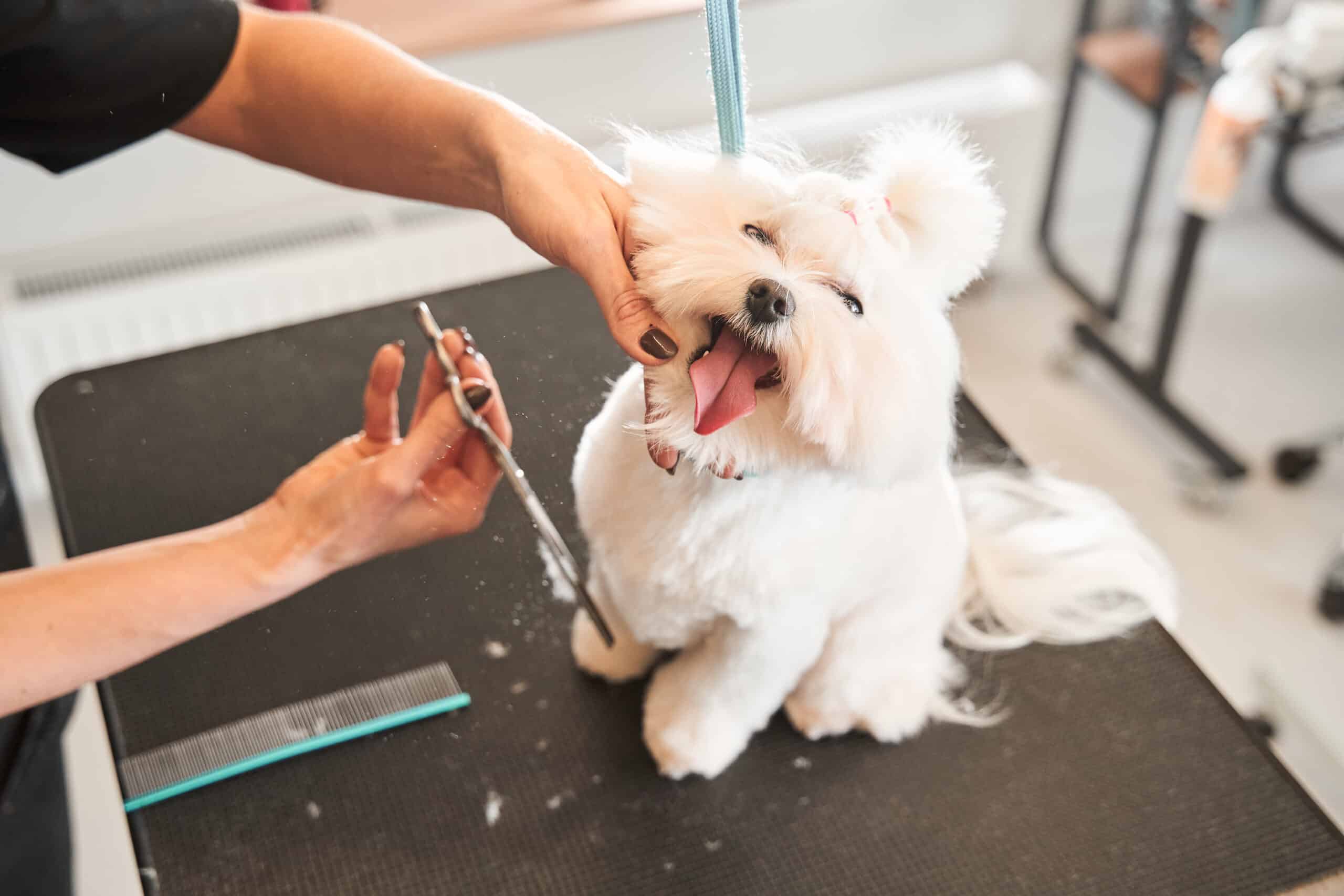
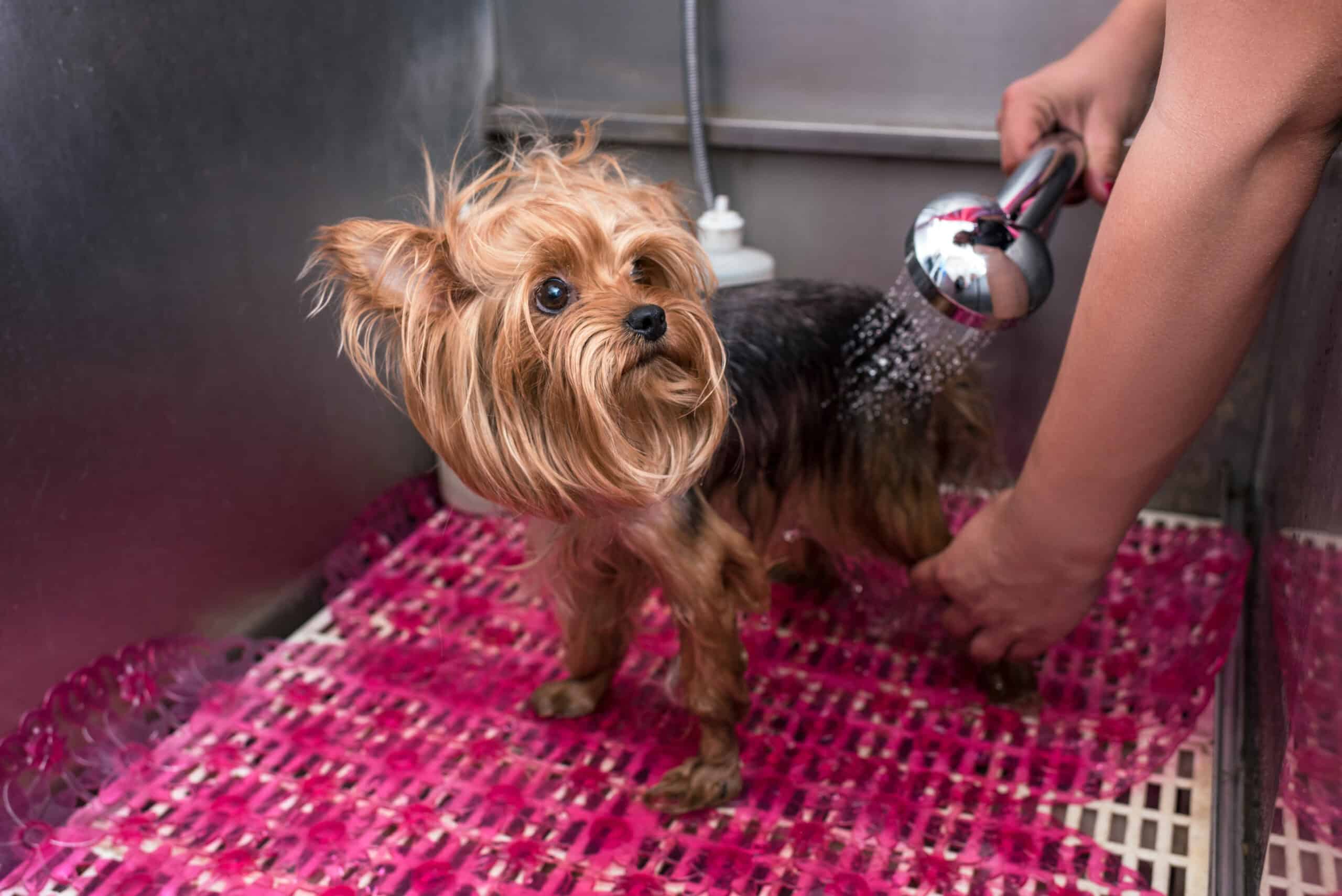
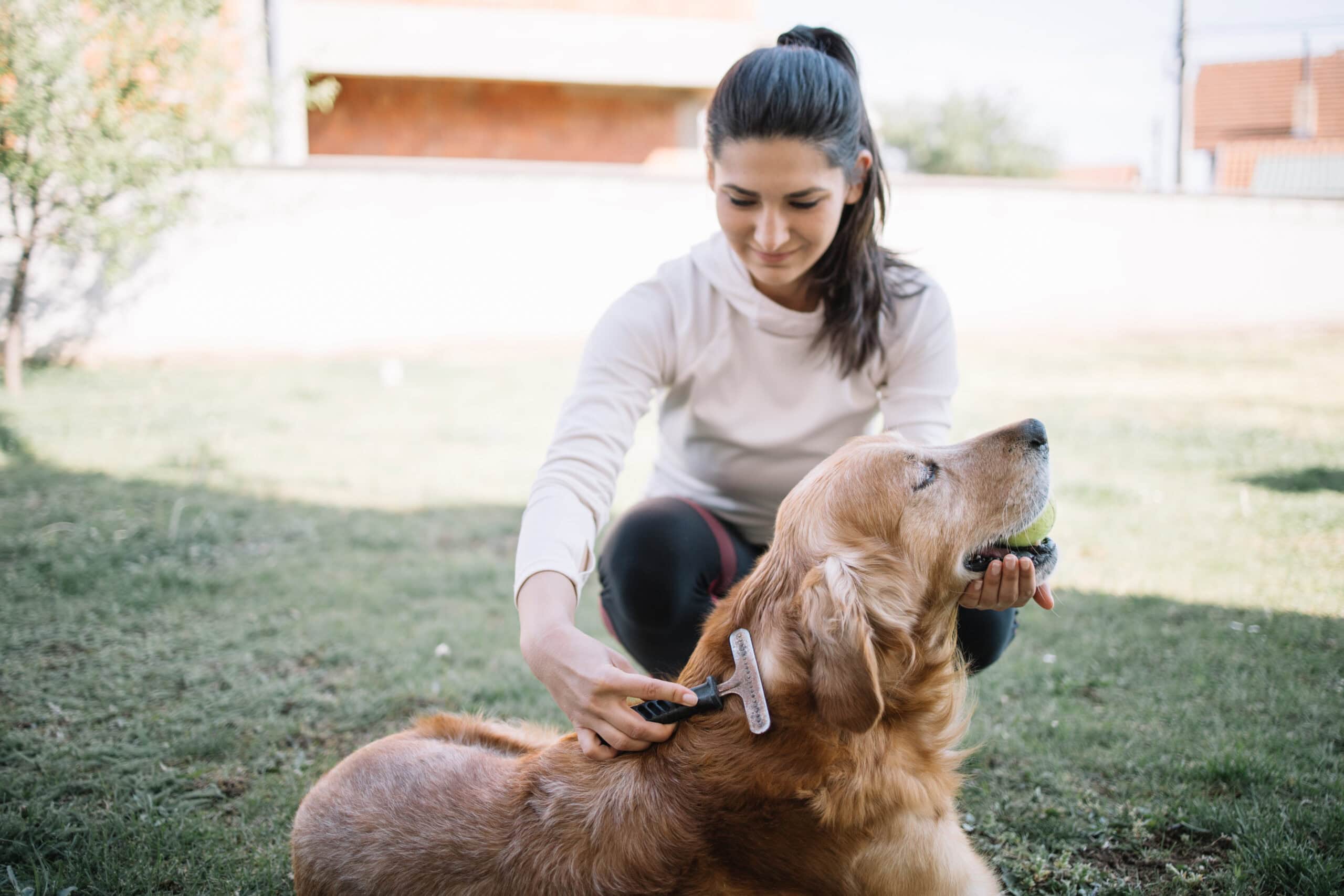
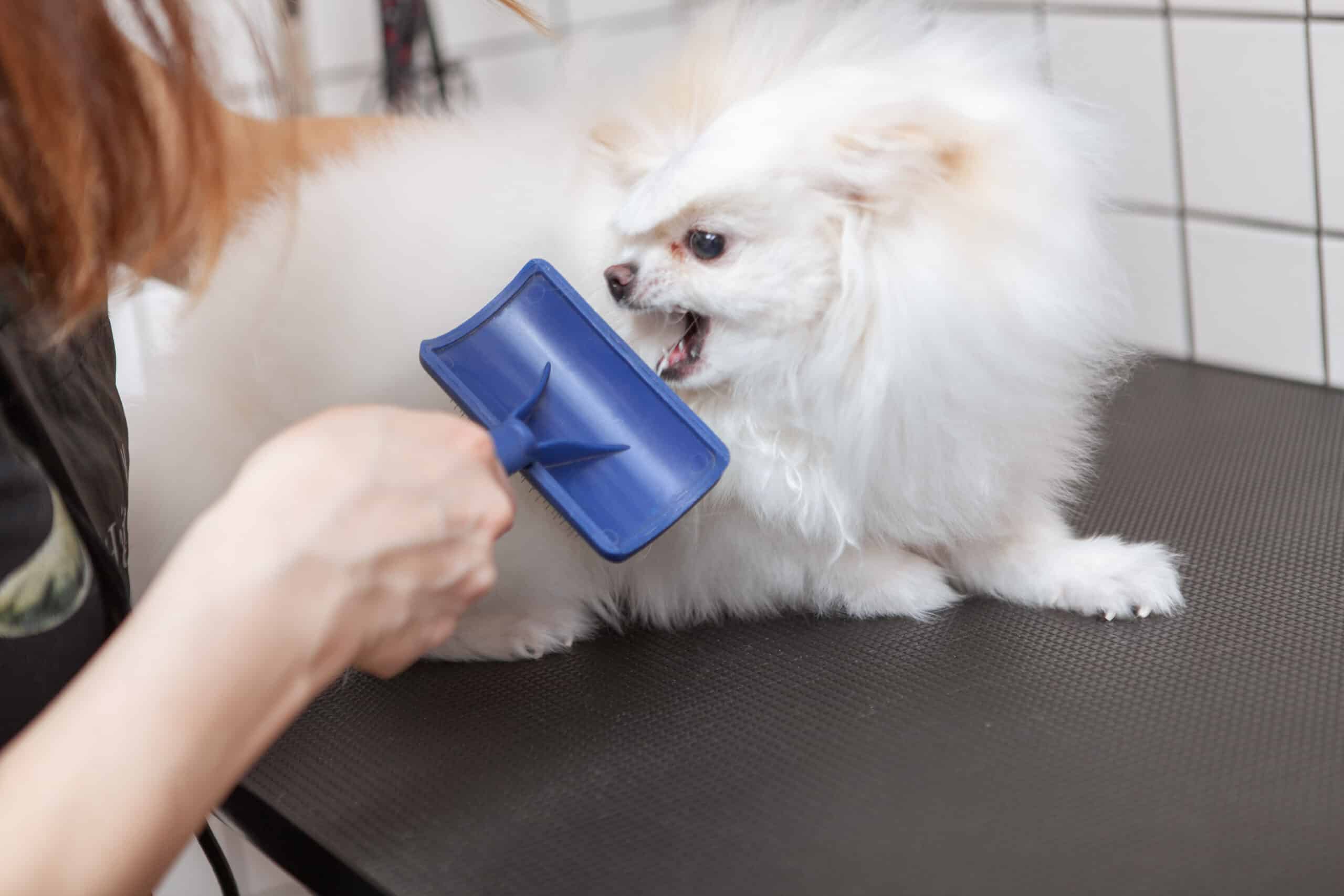
In a recent post, a groomer shared the tale of the ‘Christmas Doodle’ – a scenario many of us will recognise all too well. A desperate (or “demanding”) carer, having left their booking far too late, frantically seeks help for a “one-off” groom before the festivities. But here’s the plot twist: this isn’t one of your regular clients and as it happens, the dog hasn’t been groomed in months and arrives at your salon severely matted and the carer has came to you with unrealistic expectations of what is possible.
Despite failing to answer any pre-appointment questions, your conscience won’t allow you to refuse the dog your services and so you welcome them in nonetheless. The carer however now expects a festive miracle when they insist that their dog’s coat remains intact and in full breed standard glory!
The Common Scenario
There were various tips sharing ways to handle difficult clients, including knowing when to say NO before the OP finished her story by crediting her advice to Grooming Business Mentor, Bill Betts. What followed was an influx of comments from fellow groomers sharing their own stories of similar nature highlighting to me a real need for more support on how to approach complexed enquiries, not just those involving Doodles at Christmas time.
Self-care for example, is a fundamental part of HGA Philosophy and everything I teach professional groomers through my course – this includes knowing what the groomer needs over what they necessarily want.
Using this scenario for context, an empathetic groomer might really want to help every single dog that pads through their door, but they might not physically need the additional burden. Perhaps you have worked too many hours that day already, or maybe it’s over and above your limitations.
I want to be crystal clear about this topic because your mental health, your boundaries, and your right to refuse unreasonable clients are non-negotiable. Burnout in our industry is real, damaging, and far too common, that saying “no” is not just acceptable, it’s often an essential part of your self-care.
But as part of my course, specifically in the ‘Welfare’ module, I also speak a great deal about dog’s perspective, obligation and duty of care. In one specific Real-Life Case Study featuring Teddy (a notorious”difficult” dog with an equally notorious carer), I have students ask themselves:
If everybody refuses to groom Teddy, what happens to him?
Coming from the perspective of the dog can be helpful because it can put us back in touch with our compassion, and allow us to see things in an entirely different way.
Therefore, when working with sentient beings, we must as professionals be able to balance our needs with the needs of dogs to truly fulfil our roles as best we can.
The Welfare Paradox

Because here’s the uncomfortable truth: when we turn away the dreaded, unknown Doodle who, yes, might very well be matted, whose carer might very well be unreasonable, we are only protecting ourselves.
Teddy is still matted.
His skin is still being pulled with every little move he makes.
He’s still at risk of pressure sores, skin infections, and chronic discomfort.
When you say no, Teddy’s carer might:
- Try another groomer (who may lack the skills to handle the situation humanely)
- Give up entirely, leaving Teddy in his matted state for weeks or months longer
- Attempt a home “fix” with kitchen scissors, potentially injuring him
The dog doesn’t benefit from our refusal at all.
If not handled, mindfully, the dog will suffer.
This of course creates a genuine ethical dilemma…
How do we protect our own wellbeing whilst also rescuing the dogs who desperately need our help?
A Third Option: Conditional Acceptance with Boundaries
What if, instead of a binary choice between take the booking and suffer or decline and walk away, we created a structured approach with strict boundaries that protects both sides?
Here are practical, actionable strategies that respect your self-care while also considering dog’s likeTeddy’s welfare:
The Mandatory Pre-Grooming Call (Non-Negotiable)
Before any booking is confirmed, require a 15-minute phone call, or ideally, video consultation. This is not optional.
Explain:
“I completely understand you just want to get him groomed right away but for Teddy’s safety and your peace of mind, I need to get a good idea of who Teddy is and his individual needs first. This helps me to prepare and ensures I can give you realistic expectations regarding his coat. Unfortunately, if you’re unable to commit to this conversation, I’m unable to assist.”
Why this works:
It forces the carer to slow down, face the reality of the situation, and commit time upfront – many carers will choose to try a different groomer themselves at this point, saving you the headache and the guilt of saying “no”.
But if not, you will then proceed to take the carer through a thorough pre-grooming questionnaire.
After this questionnaire has been completed, you will have a good idea on ways to make your grooming environment less invasive helping to increase the chances of a more positive first impression.
Note: to read more about the benefits of a pre-grooming questionnaire, see this post here.
It’s then time to book in a Meet & Treat.
The Welfare-First Consultation (With Documentation)
A Meet & Treat involves a pre-session health assessment helping the groomer even more in identifying areas of the grooming process that may need adapted. Part of this assessment includes:
- Observing physical health state – body, skin and coat
- Noting down any known medical conditions (and any active medication)
- Observing general temperament and behavioural quirks
- Noting down any regular appointments with other pet care providers (therapists, trainers etc.)
- Whether neutered or not
- Whether in heat or not
A health assessment is not just good for picking up early signs of pain, illness and/or injury but helps the professional groomer be aware of any potential areas that may cause discomfort during the grooming process further preventing bite incidents.
You also want to make your grooming environment as non-invasive and welcoming to the dog as possible. Setting up various enrichment activities in and around the space can be a great way to ‘break the ice’ and I strongly endorse Freework as a desensitisation tool for groomers.
While the dog adjusts to the grooming space, you can then begin devising a bespoke care plan based on everything you are observing and reading from the dog, and the dog’s carer.
Such as:
- Noting down any behavioural concerns and/or signs of pain/illness
- Taking photographic evidence of matting severity (with owner present)
- A matting severity scale (1-5, with visual examples)
- A clear statement of the only humane option (e.g., “Due to matting severity rated 4/5, the only welfare-appropriate option is clipping short with a 7F blade”)
- Realistic “after” photos of similar cases
- A section for the owner to initial: “I understand my dog will be clipped short and will not resemble their previous appearance”
If you are anything like me and love having a place to put all of the important information, then my Bespoke Holistic Grooming Planners are a great additional resource to invest in for every dog – I’ve wrote a great blog post on the benefits of these planners here. They can be purchased directly from Amazon worldwide.
Why this works:
It removes ambiguity, creates a paper trail, and forces the carer to confront reality before you touch their dog. They understand that if they don’t agree, then they will have to look elsewhere.
The next step is to arrange the welfare groom session.
The Refusal with Referral Option
If, after all of this, you still feel the situation is beyond your capacity (emotionally, practically, or even ethically), you should consider refusing HOWEVER that doesn’t mean you abandon the dog entirely.
Provide a referral to:
- A veterinary clinic that offers sedated grooming (ideally his own Registered Vet as this will be an individual they are familiar with)
- A groomer who specialises in severe matting cases (feel free to check out The Holistic Groomer’s Directory).
- An animal welfare organisation that can intervene and/or offer the carer additional support (this is especially the case if finances are a major issue)
You can politely message them something like:
“Dear (Carer), I’m unfortunately unable to help Teddy, but I’m concerned about his welfare. I have contacted my associate (Name), who has ample experience in this sort of case, please find attached their contact details. Alternatively, try (contact) and (contact). Sincerely, (Your Name).”
Why this works:
You’ve maintained your personal boundaries whilst still advocating for the dog. You’ve done what you can without sacrificing your well-being and therefore should not feel guilty.
If however, you feel you are competent and confident enough to proceed with a welfare groom, here’s what you should think about.
The “Welfare Groom” Premium Pricing Structure
Matted dogs require significantly more time, skill, emotional labour, and risk which means you have to charge accordingly.
Welfare grooming is by far the most intricate service a professional groomer may find themselves in, and there are instances where a dog’s matting is so severe that the only kind option is to refer them to their registered Vet for a sedated clip-off. While the risk of sedation can often be a deterrent, it should be explained to the dog carer that in severe instances, the safest option is to have veterinary assistance to avoid severe psychological distress and/or a major incident.
Should you decide that a dog is emotionally and physically fit enough to endure a welfare groom in your salon, remember that you are charging for:
- An extended appointment time (double or triple your standard rate)
- The emotional toll of handling a difficult case
- The risk of negative reviews or complaints from carer
- Your expertise in humane clipping
Example pricing of a Doodle:
Standard groom: £50 – £80
Welfare groom (matted): £150 – £240
Typically speaking it will cost much more for a Veterinary clip-off.
Why this works:
It compensates you fairly, deters time-wasters, and demonstrates the seriousness of the situation.
Dog carer’s who genuinely care about their dog’s welfare will pay whatever it takes to put an end to their unnecessary suffering, and those seeking a quick cosmetic fix will look elsewhere.
Have Carer Present Throughout
Seriously consider keeping dog carer present and encouraging active cooperation and support through pacifying and gentle handling techniques. Explain why it benefits the dog to have them present (for example, it provides them with a secure base helping to reduce stress and anxiety in an unfamiliar environment). Offer clear direction throughout and use this time to educate and explain the clip-off process as you go and support the carer through any apprehension and/or distress.
Why this works:
It prevents the emotional, knee-jerk reaction that often occurs when a carer drops off and picks up their dog. When a dog carer is present throughout a welfare groom they not only get to see the severity of the matting in real-time, they also appreciate the technical skill of performing the procedure as well leading to respect and gratitude.
The Follow-Up Welfare Check (With Positive Framing)
It’s a good idea to send a follow-up message 24-48 hours post-groom to the dog carer to show you care, such as:
“Hi [Carer], I wanted to check in on Teddy. How is his skin looking now that the matting has been removed? Have you noticed him moving more comfortably or scratching less? I know the short clip can be a shock, but his comfort and health are the priority. His coat will grow back beautifully with regular maintenance. Just know I’m here to support you both moving forward.”
Why this works:
It reframes the conversation around welfare, not aesthetics while also demonstrating ongoing care and professionalism – this will in turn make it harder for the carer to vilify you thus helping to reduce your anxiety over a potential bad review.
The “Maintenance Plan” Requirement
Make future bookings conditional on a maintenance plan that encourages regular grooming visits, for example:
“I’m happy to groom Teddy again, but only if you would be willing to invest in a Grooming Masterclass with me to show you how to safely and properly maintain Teddy’s coat in between grooming sessions. 99% of clients notice a significant difference in not only their dog’s coats, but also how they handle grooming once learning how to continue grooming routines at home. If this is something that interests you, I would love to help so just let me know!”
Why this works:
It sets clear expectations, educates the carer, and helps to prevent future matting. It also demonstrates your commitment to long-term welfare and how you don’t view their dog as a “one-time transaction”.
From Victim to Advocate
The “Matted Doodle/Difficult Carer” scenario often leaves groomers feeling victimised, helpless, and resentful.
But what if we reframed it?
You are not a victim of difficult clients at all, what you are is an advocate for welfare with the power to set your own boundaries without compromising your ethical values.
When we approach these situations with empathy, transparent communication, and welfare-first policies, we shift the power dynamic entirely, and we stop being emotionally burdened by carer demands and expectations.
And of course there is still the risk that you receive a 1-star review (I believe some people LIVE for causing hurt to others for no apparent reason). And yes, the carer may still be difficult even if you do manage to resolve the dilemma for them in the end, but you can find peace in knowing you have:
- Protected your mental health with reasonable boundaries
- Advocated for the dog’s welfare regardless of the outcome
- Documented everything for your protection should you need to defend yourself
- Been fairly compensated for your expertise if you decided to perform the welfare groom yourself
- Maintained your professional integrity despite the difficulty in balancing your needs with the dog’s
The Bigger Picture: Industry-Wide Change
Ultimately this problem is a symptom of a larger issue: lack of public education about grooming needs and unrealistic expectations, especially around responsibility.
As an industry, we need to:
- Advocate for breeder accountability (educating new owners about grooming requirements but also encouraging responsible breeding of dogs with less health defects).
- Push for mandatory grooming clauses in puppy contracts to prevent unnecessary matting and advanced skin disorders from festering.
- Create public awareness campaigns about coat maintenance, especially in our more challenging coat types (yes, Doodle’s are a common issue).
- Lobby for grooming to be recognised as essential animal husbandry, not a luxury service.
But until that systemic change happens, we need practical strategies to navigate the reality we’re facing now.
Conclusion
Bill Betts is right: you need to protect yourself, recognise red flags, and be prepared to say no, but we also need to find ways to help the dogs who are suffering through no fault of their own.
It’s not either/or – it’s both/and.
- You can set boundaries and advocate for welfare.
- You can protect your mental health and help desperate dogs.
- You can refuse unreasonable clients and provide resources for the animal.
When I came across the post about ‘The Christmas Doodle’ I agreed with the OP in so many ways, but even so, that doesn’t get away from the fact that carers (and dog’s) like this will always exist, and it comes down to how we respond to them that matters.
Approaching these scenarios with clarity, boundaries, and compassion means we can still make a positive difference, if the carer allows us to.
Finally, to every groomer reading this:
Your wellbeing matters.
The dog’s wellbeing matters.
But most importantly, you don’t always (if ever) have to choose between the two.
Have Your Say!
What strategies have worked for you when handling difficult matting cases? How do you balance self-care with animal advocacy? I’d love to hear your thoughts.