I believe that safer grooming begins with understanding how dogs think, feel and process their environment, and so this is what I teach my students at The Holistic Grooming Academy.
Because, when we understand canine cognition, emotions and the nervous system, behaviour stops being something to “manage” and “correct”, and becomes something to interpret and respect.
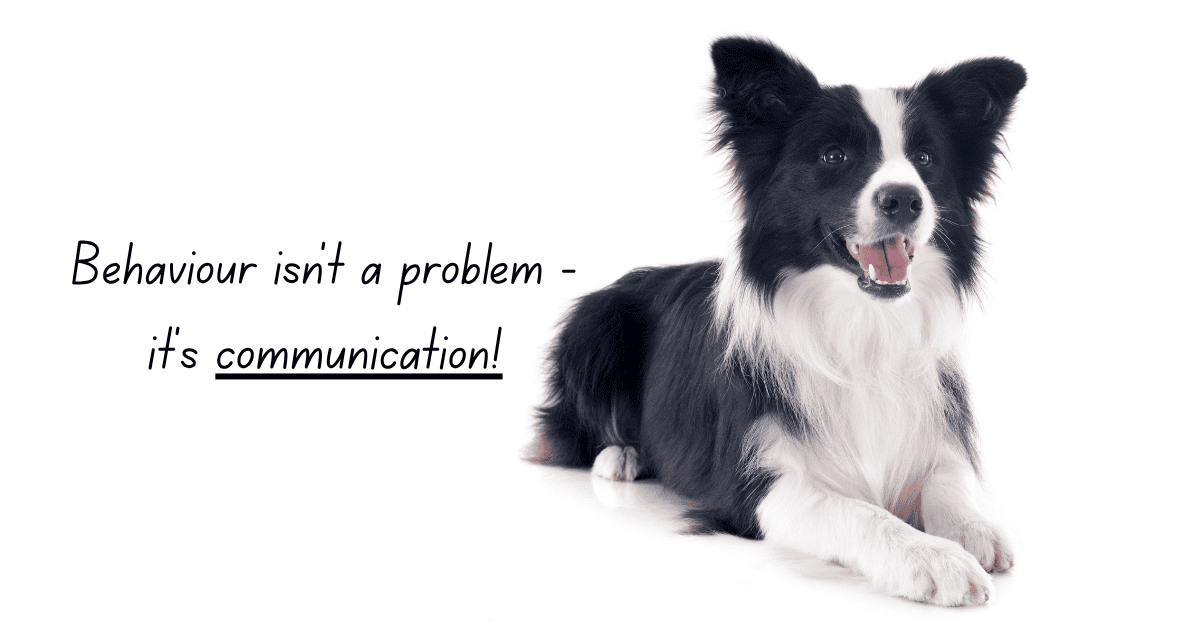
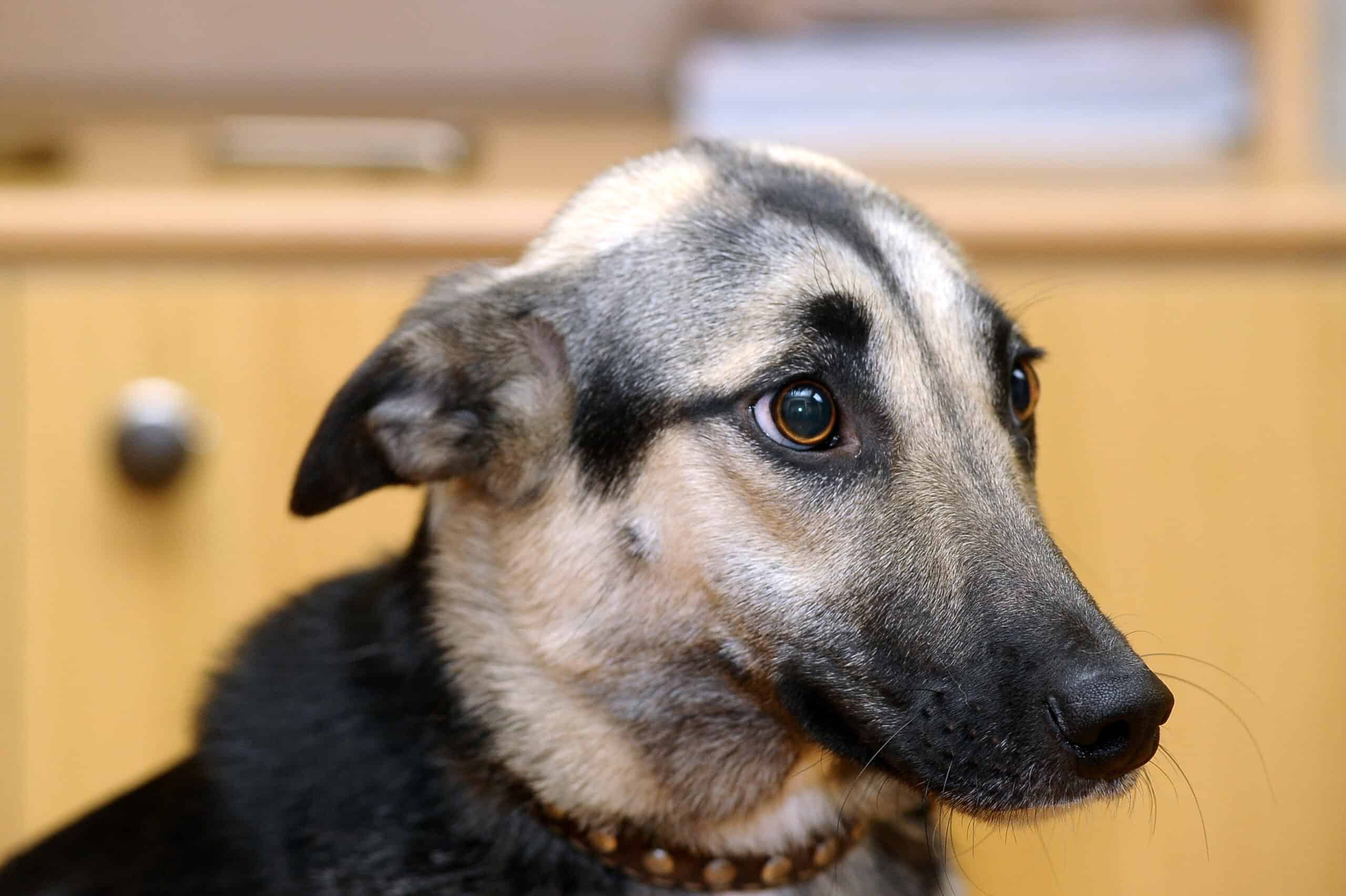
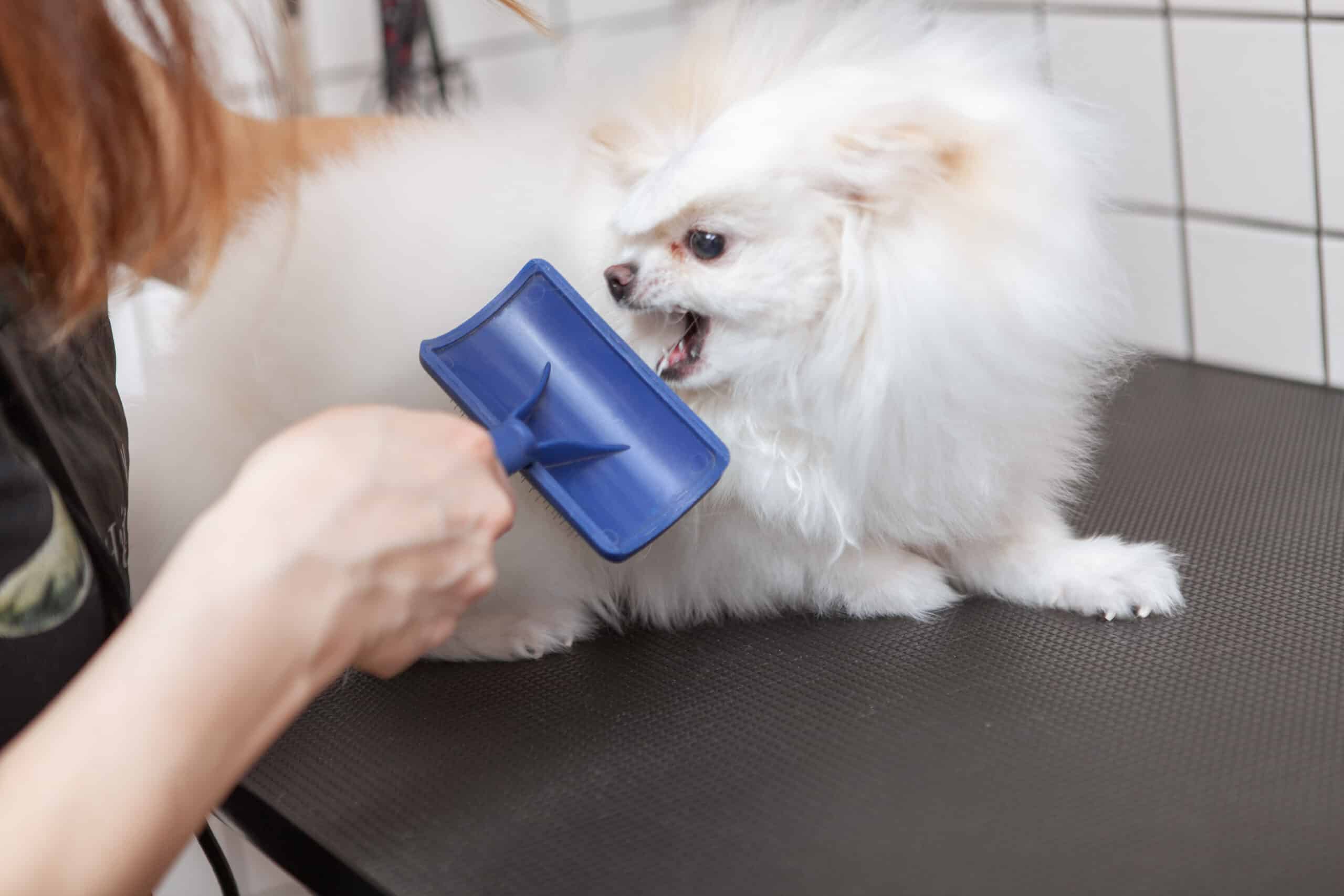
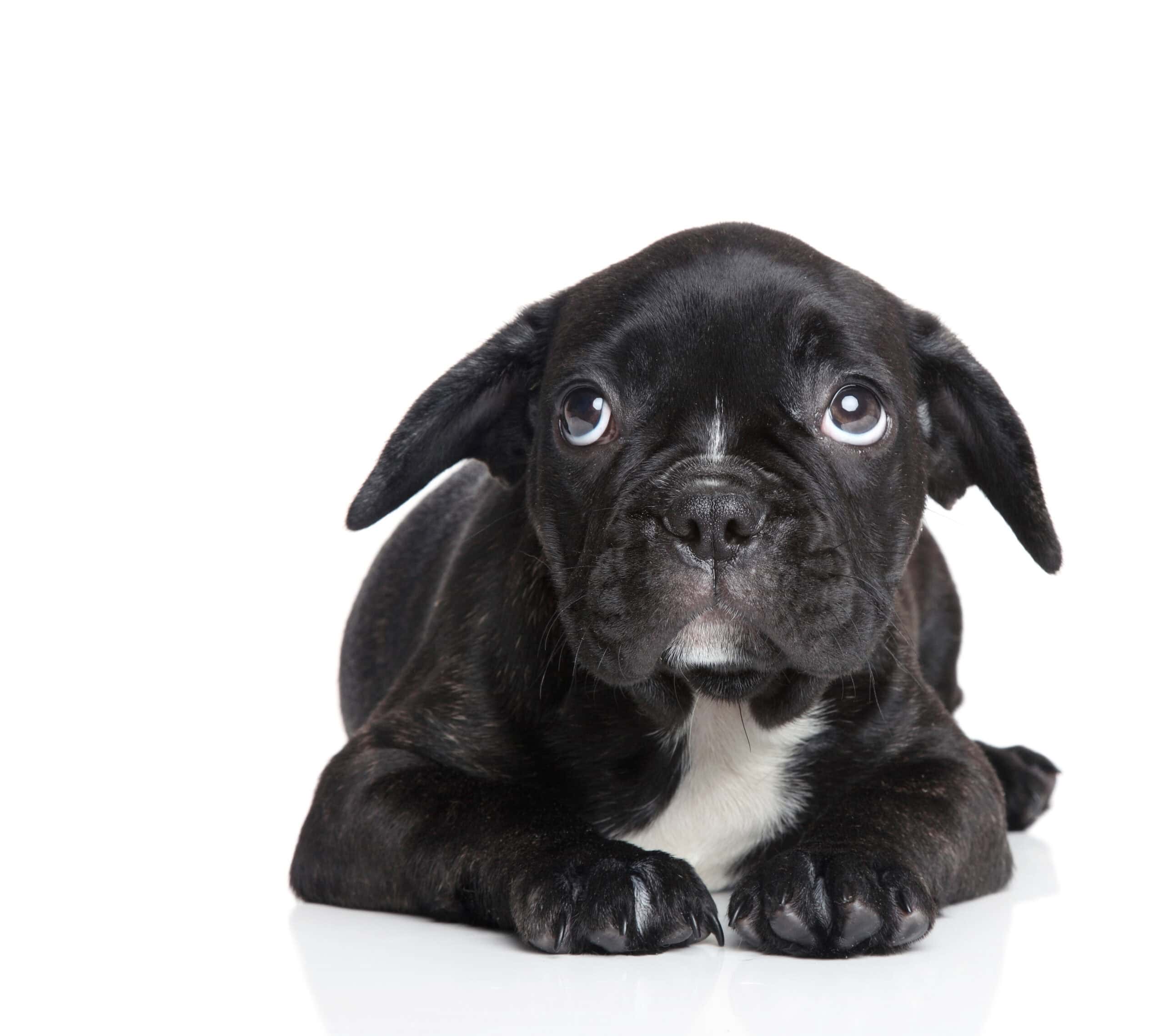
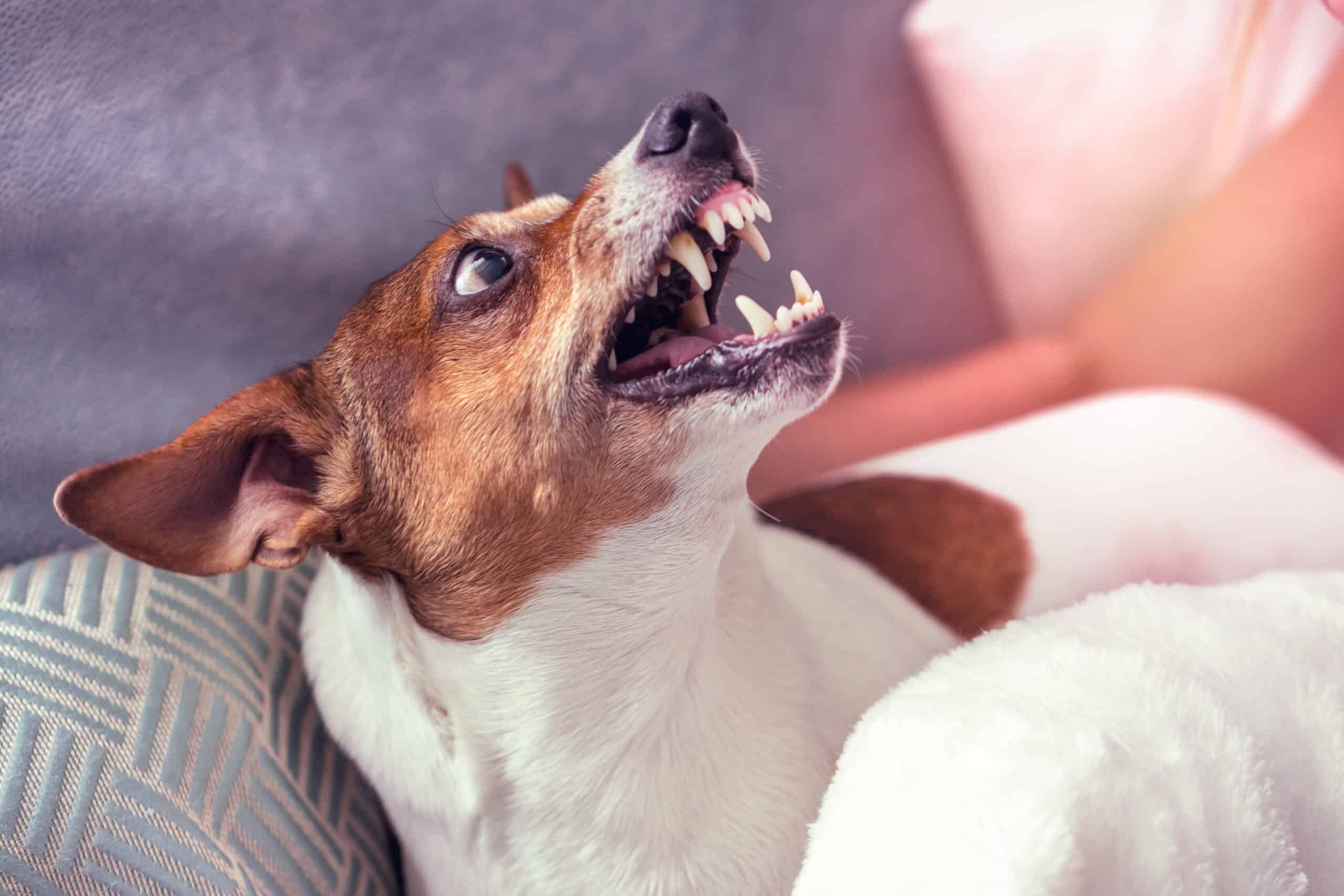
Behaviour is communication, not defiance. Research shows that many dog bites and handling incidents in professional settings are linked to unrecognised fear, stress or pain, and in behaviour theory we learn that these states are deeply interconnected.
Pain increases fear, fear increases stress, and stress reduces a dog’s ability to cope.
It makes sense then, that when these factors are overlooked, dogs are placed in situations that feel unsafe and overwhelming, even when no harm is intended.
By applying neuroscience principles, we move away from viewing dogs as “difficult” and begin to see them as struggling, and this shift is central to the HGA’s approach.
From “difficult dog” to “struggling dog”
When a dog freezes, snaps, vocalises and/or resists handling this is often interpreted as “bad behaviour”. But in reality, this is typically a sign that the dog’s nervous system is overwhelmed and their ability to cope has been exceeded (LeDoux, 2015).
In short – these behaviours are protective responses designed to keep the dog safe.
Seeing behaviour through this lens builds compassion, increases patience and leads to safer handling overall, and when it comes to grooming, it allows us to adapt our processes to meet the needs of the dog, not just the demands and expectations of an industry based around aesthetics.
Ethics not aesthetics
Understanding canine cognition
It’s important to stress that dogs are not less intelligent than humans; their intelligence (strengths and weaknesses) simply differ from ours.
Their brains share the same major structures as ours, including the amygdala, hippocampus and cerebral cortex (Panksepp, 1998) – all of which are areas responsible for emotion, memory and learning.
Nonetheless, research by Hecht et al. (2019) demonstrated that selective breeding has physically shaped canine brains, and that different breeds show variations in brain regions linked to their historical working roles (such as herding, guarding or scent work) which means, humans have manipulated and shaped how dogs process the world, and therefore hold significant responsibility on how dogs are treated.
Dogs as emotionally intelligent beings
Dogs are highly skilled at reading human body language and tone of voice (Miklósi, 2007) and respond to our ever-fluctuating emotional states, where they have been seen to mirror and be influenced by our feelings.
Studies also show that dogs and humans both release oxytocin during positive interactions, strengthening emotional bonds (Nagasawa et al., 2015), further adding weight to the belief that how we interact and care for dogs, in turn, influences the relationship we have with them.
Emotional intelligence in dogs may look different from ours, but it is no less meaningful.
As Green (2018) highlights, intelligence must be understood in species-specific terms and we must refrain from placing unrealistic expectations on dogs and how they should respond.
The limbic system and emotional processing
The limbic system is responsible for emotional responses and includes the amygdala, hippocampus and hypothalamus.
The amygdala plays a critical role in detecting threats and activating survival responses such as fight, flight or freeze (LeDoux, 2015).
When a dog reacts with fear, this is not a conscious decision but instead, an automatic neurological response designed to protect and preserve life.
Dogs are not the only ones to experience this primitive reflex, humans are also susceptible to responding instinctively when under duress, which is why the law takes high-stress situations into account when a human has committed an offence under self-defence.
Why then are dogs, almost always, not given that same consideration and respect?
The role of the autonomic nervous system
The autonomic nervous system has two main branches:
- The parasympathetic system – responsible for rest, digestion, safety and learning
- The sympathetic system – responsible for survival responses and high alert states
When a dog is in a parasympathetic state they can learn, explore and cooperate but when they are in a sympathetic state learning stops and survival takes priority (Porges, 2011). Again, this is the same for every living being.
In human psychology, there have been several experiments placing humans in high-anxiety scenarios in attempt to study the effects of fear on performance, decision-making, and cognition. The results are incredibly telling.
In one specific experiment, participants were told that they may receive a painful electric shock at any point during their given tasks. The tasks involved a range of cognitive/working memory activities such as problem solving and remembering word pairs. The results showed that fear-induced anxiety impaired their executive function, caused up to a 30% decline in productivity, and reduced their working memory performance (Rapgay, 2019).
If we can’t expect a human to perform during high-stress events, how can we possibly expect a dog to?
Why stress (trigger) stacking is dangerous
It’s not uncommon for a dog to take up to 72 hours to return fully to a parasympathetic state, after a stressful experience (Overall, 2013), the same is the case for humans. In other studies, it was shown that those subjected to fearful events struggled to return to their former tasks, and would take a prolonged time to go from one cognitive state to another (Rapgay, 2019).
When you place a dog in a high-stress environment and continue to add more high-stress tasks, you cause a build up of stress that eventually escalates into more advanced physiological and behavioural consequences. The more intense the exposure of stress, the more severe the traumatic event, and the more difficult it is to prevent long-term harm.
Trigger-stacking can occur during one specific event, or through a range of different events over a short period of time. For example, if a dog is expected to endure a kennel visit, vet visit and grooming visit in the same week, the chances are that they will have had little time to return to a relaxed state.
Final reflection
The HGA uses neuroscience not to complicate grooming, but to simplify it.
When we understand how the dog’s brain, nervous system and emotions work, we are able to see things from the dog’s perspective.
There’s more to dogs than skin and hair, and working cooperatively relies on a more advanced understanding of dogs overall.
Learn More Via The HGA Community!
If you would like to learn more about HGA Philosophy and how it can benefit the dogs in your care, while also being a part of a thriving community of like-minded dog lovers, join our FREE Skool community here.
Bibliography
Donaldson, L. (2019) ‘Rethinking reactivity in dogs’, Journal of Applied Companion Animal Behaviour, 3(2), pp. 15–22.
Green, S. (2018) Positive psychology for dogs. London: K9 Ethics Press.
Hecht, E.E., Smaers, J.B., Dunn, W.D., Kent, M., Preuss, T.M. and Gutman, D.A. (2019) ‘Significant neuroanatomical variation among domestic dog breeds’, Journal of Neuroscience, 39(39), pp. 7748–7758.
LeDoux, J. (2015) Anxious: Using the brain to understand and treat fear and anxiety. London: Penguin.
Miklósi, Á. (2007) Dog behaviour, evolution, and cognition. Oxford: Oxford University Press.
Nagasawa, M., Mitsui, S., En, S., Ohtani, N., Ohta, M., Sakuma, Y., Onaka, T., Mogi, K. and Kikusui, T. (2015) ‘Oxytocin-gaze positive loop and the coevolution of human–dog bonds’, Science, 348(6232), pp. 333–336.
Overall, K.L. (2013) Manual of clinical behavioral medicine for dogs and cats. St. Louis: Elsevier.
Panksepp, J. (1998) Affective neuroscience: The foundations of human and animal emotions. Oxford: Oxford University Press.
Porges, S.W. (2011) The polyvagal theory: Neurophysiological foundations of emotions, attachment, communication, and self-regulation. New York: W.W. Norton.
Yin, S. (2009) Low stress handling, restraint and behavior modification of dogs and cats. Davis, CA: CattleDog Publishing.