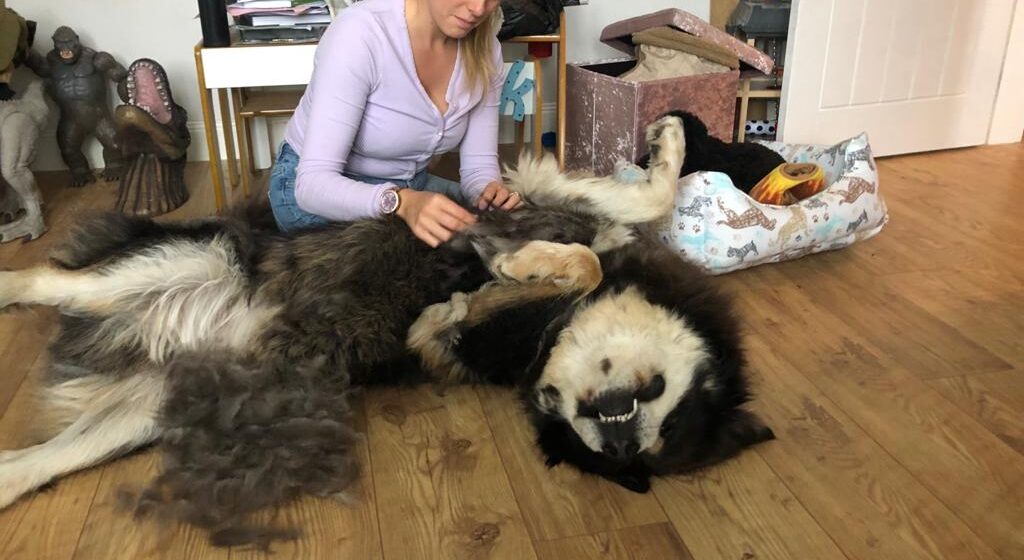
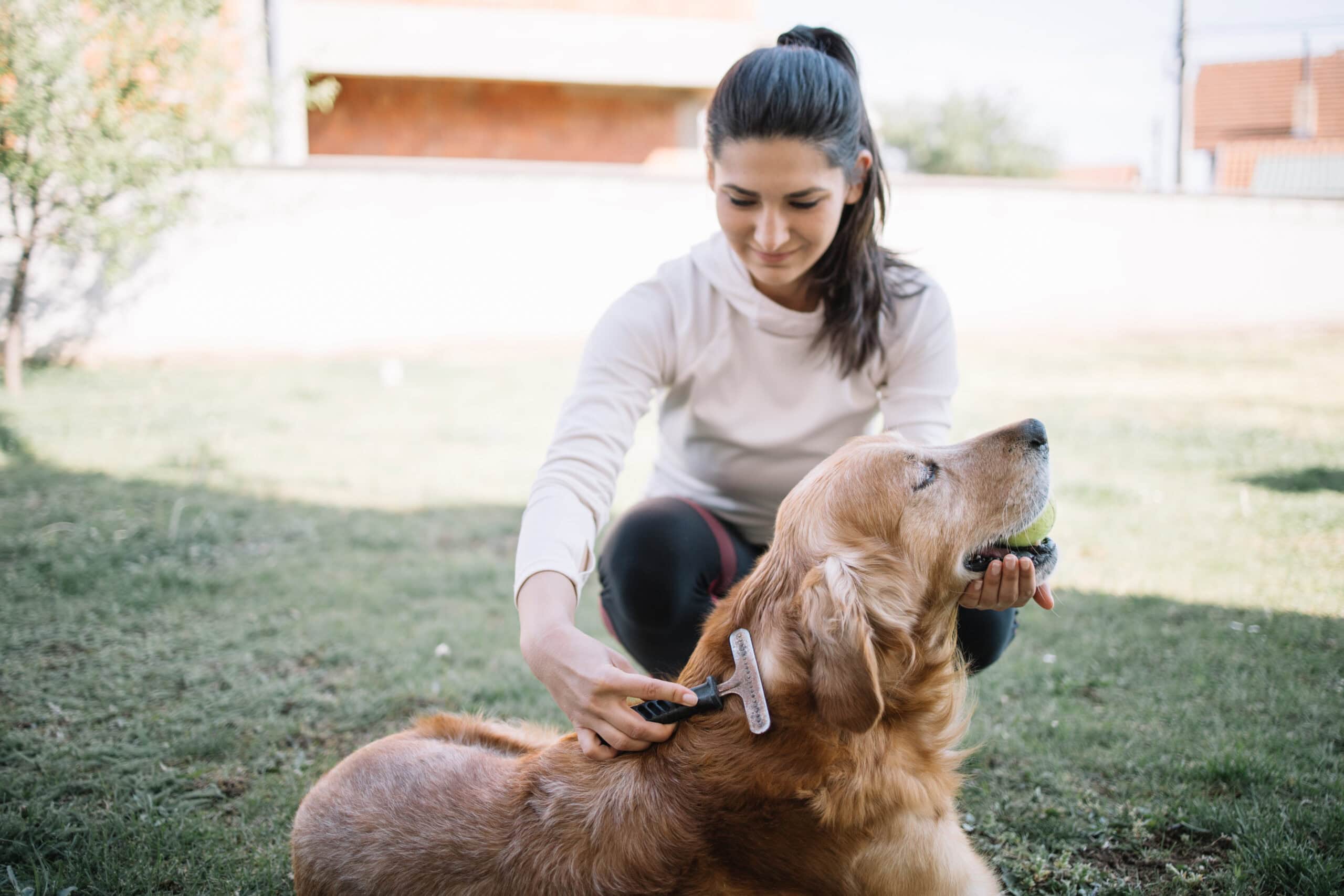
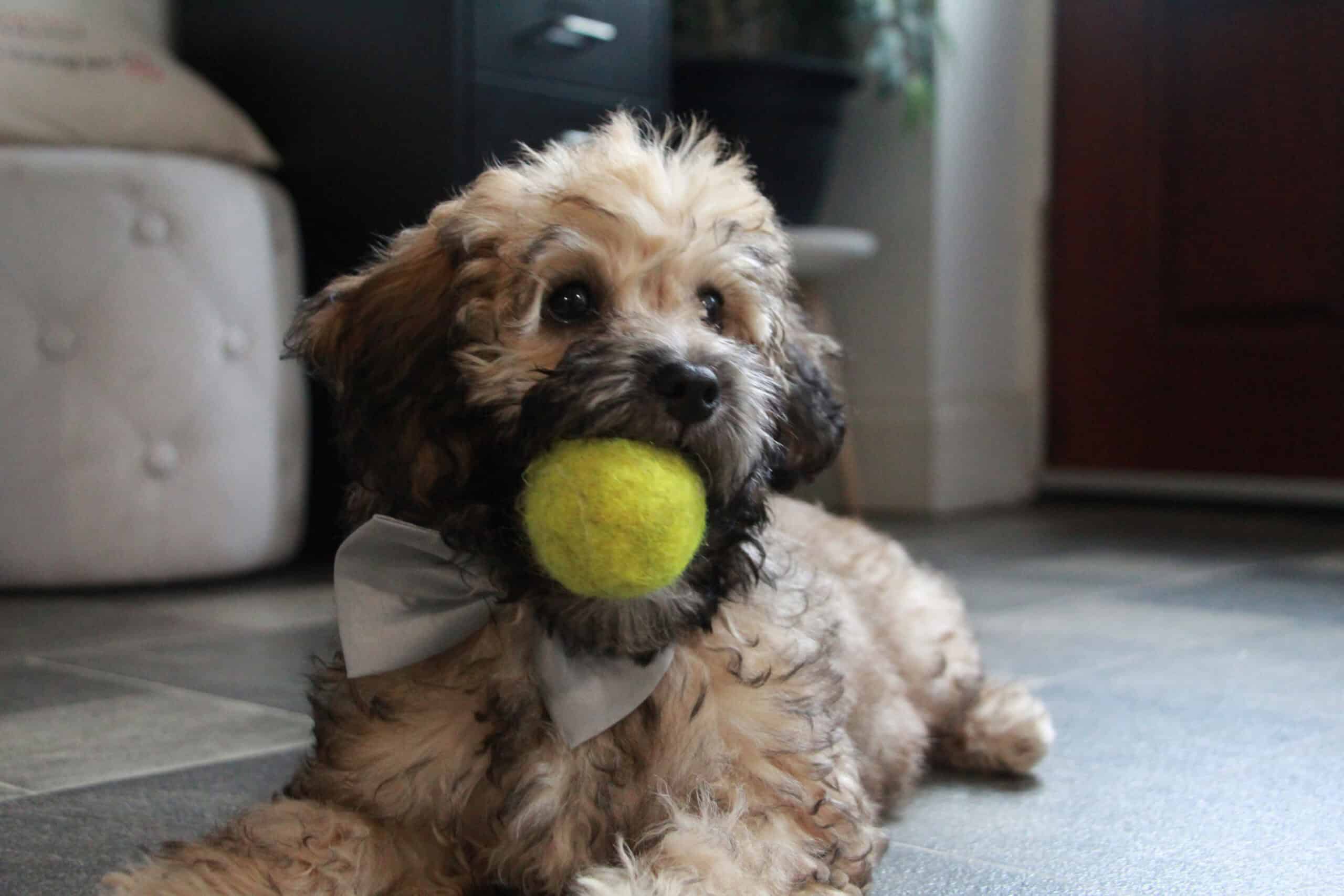
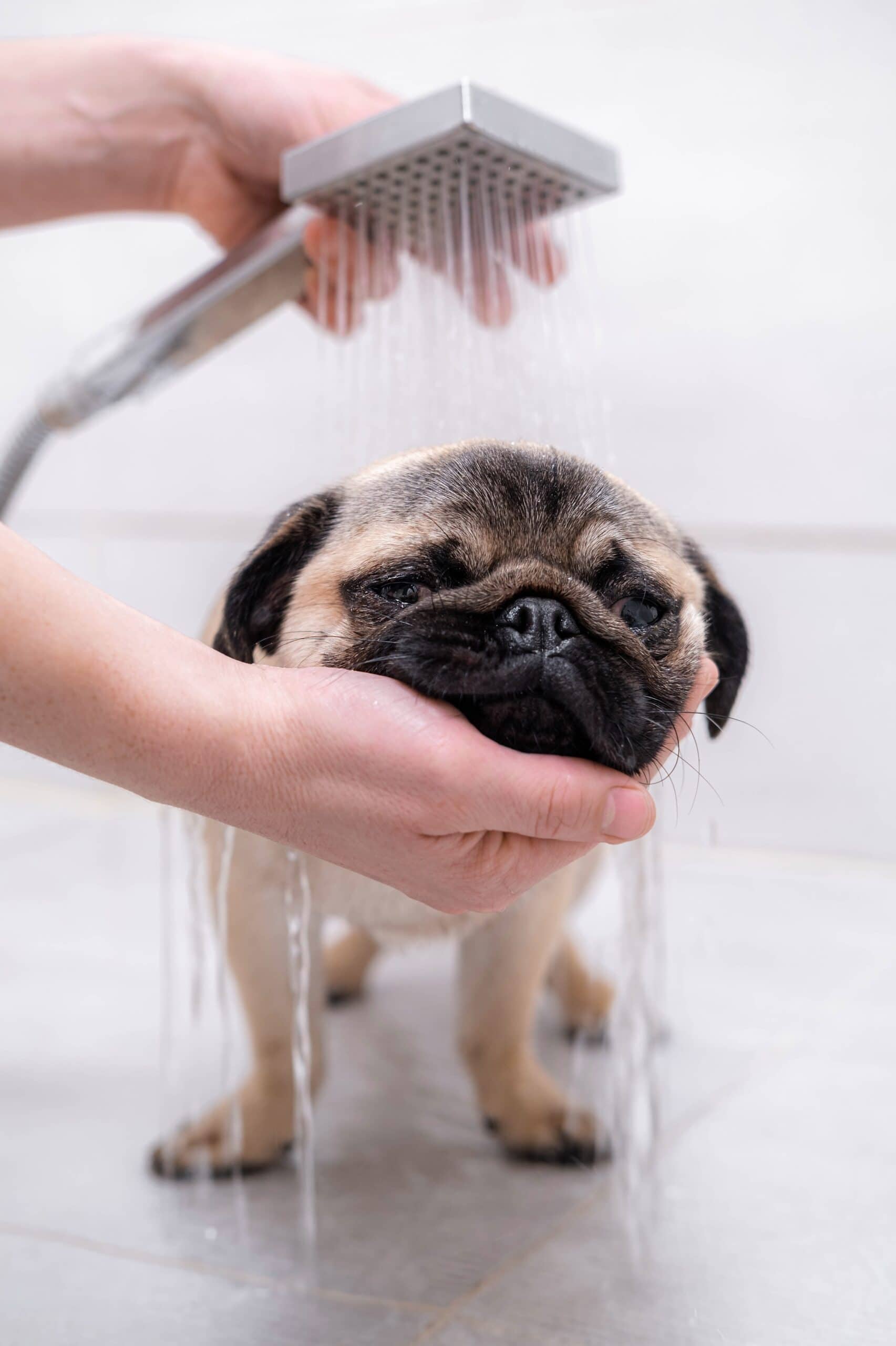
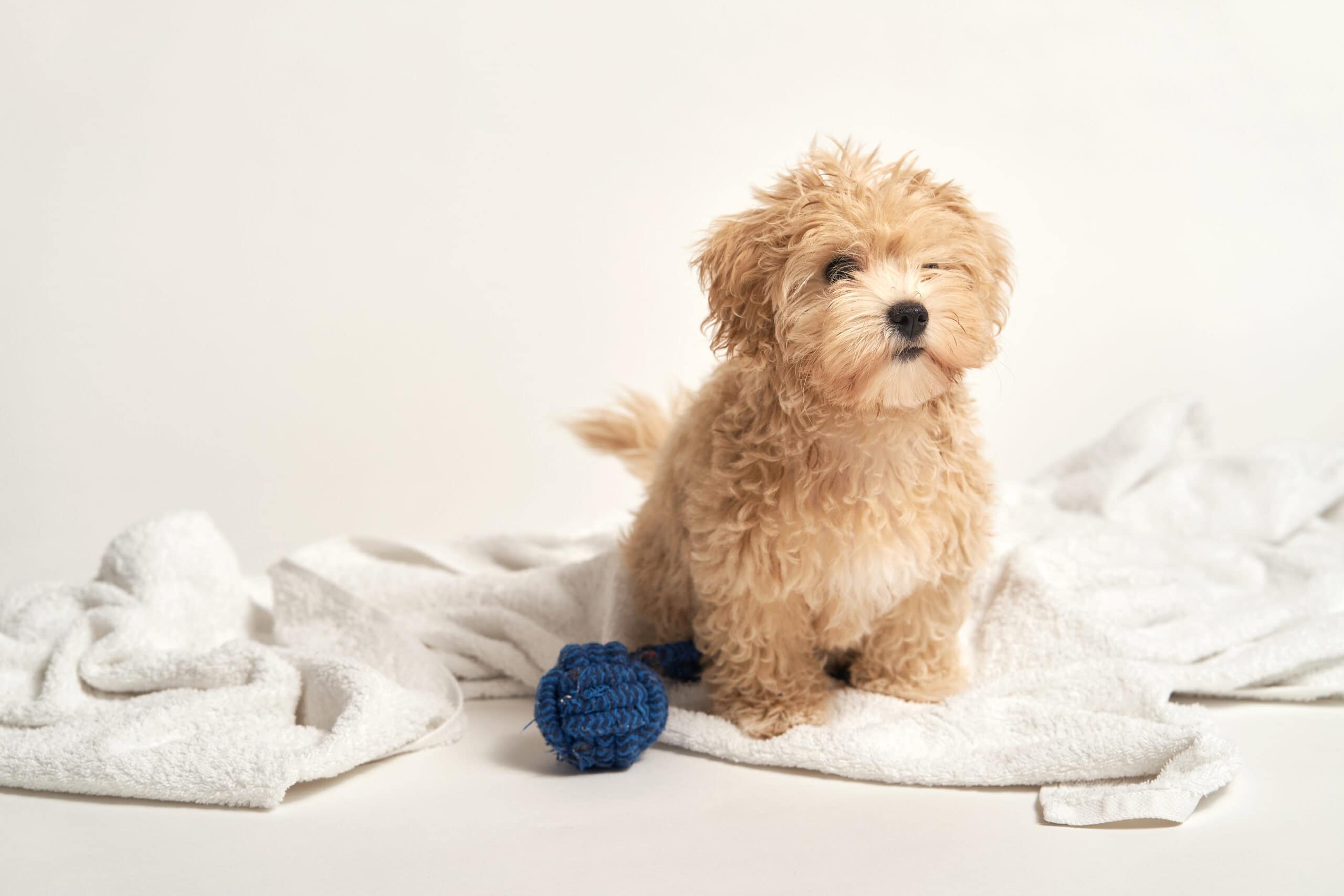
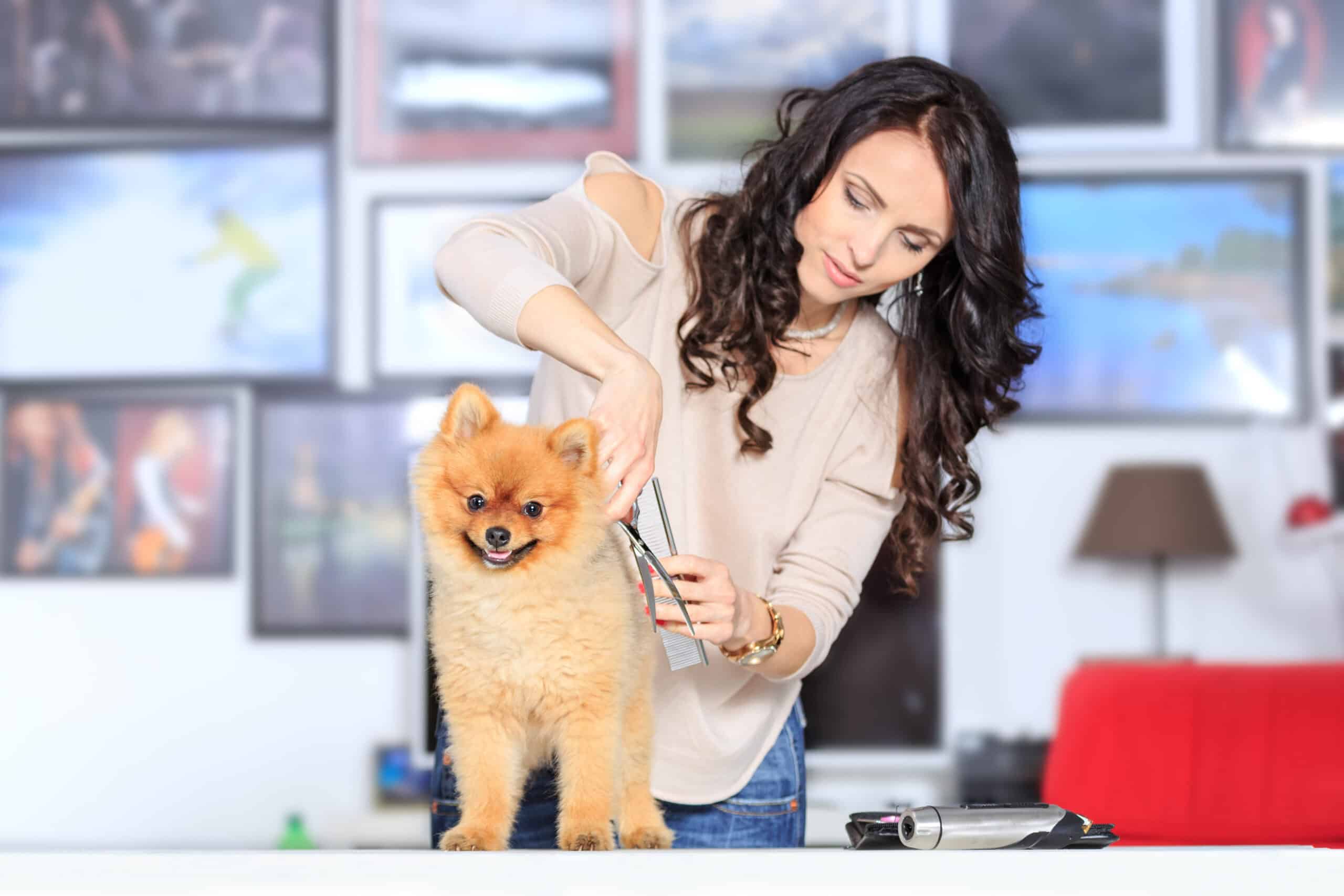
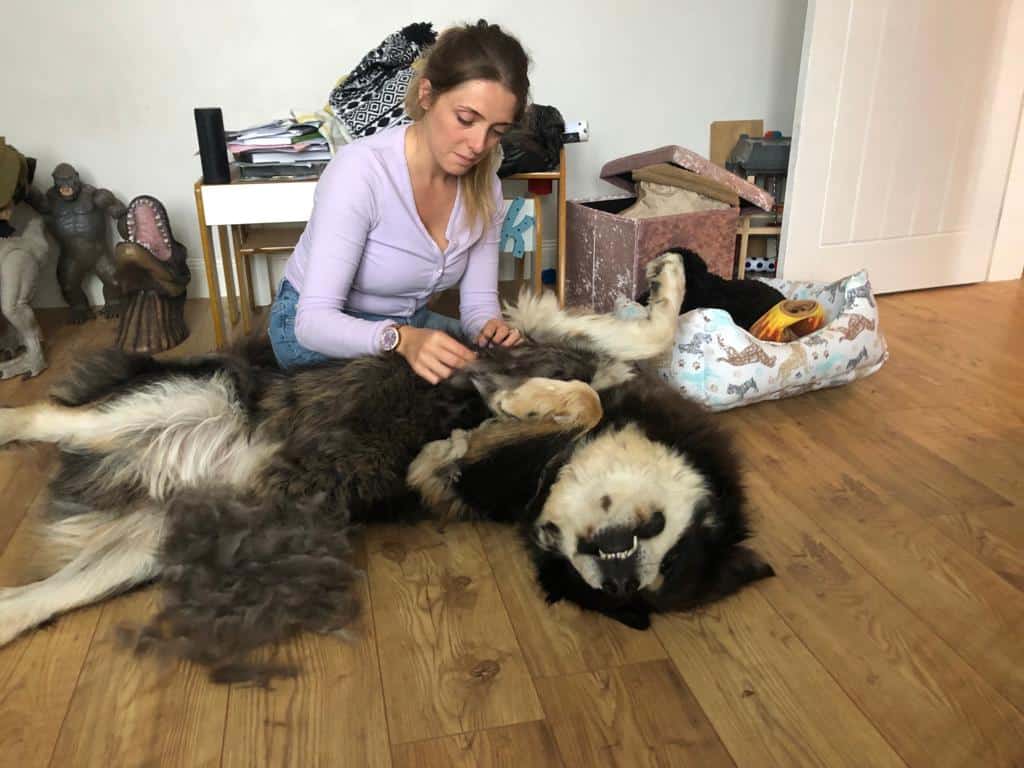
A few years ago, I posted a photo that was taken of me and one of my dogs, King Louis enjoying some light grooming.
As I sat on the floor, awkwardly twisting and turning to work around Louis – who was comfortably spread out with his privates unapologetically on show for the world to see – I remember thinking, “how lovely an experience this is to have, and how lucky I am to have a dog who, also, thoroughly enjoys the care and attention that grooming has to offer”.
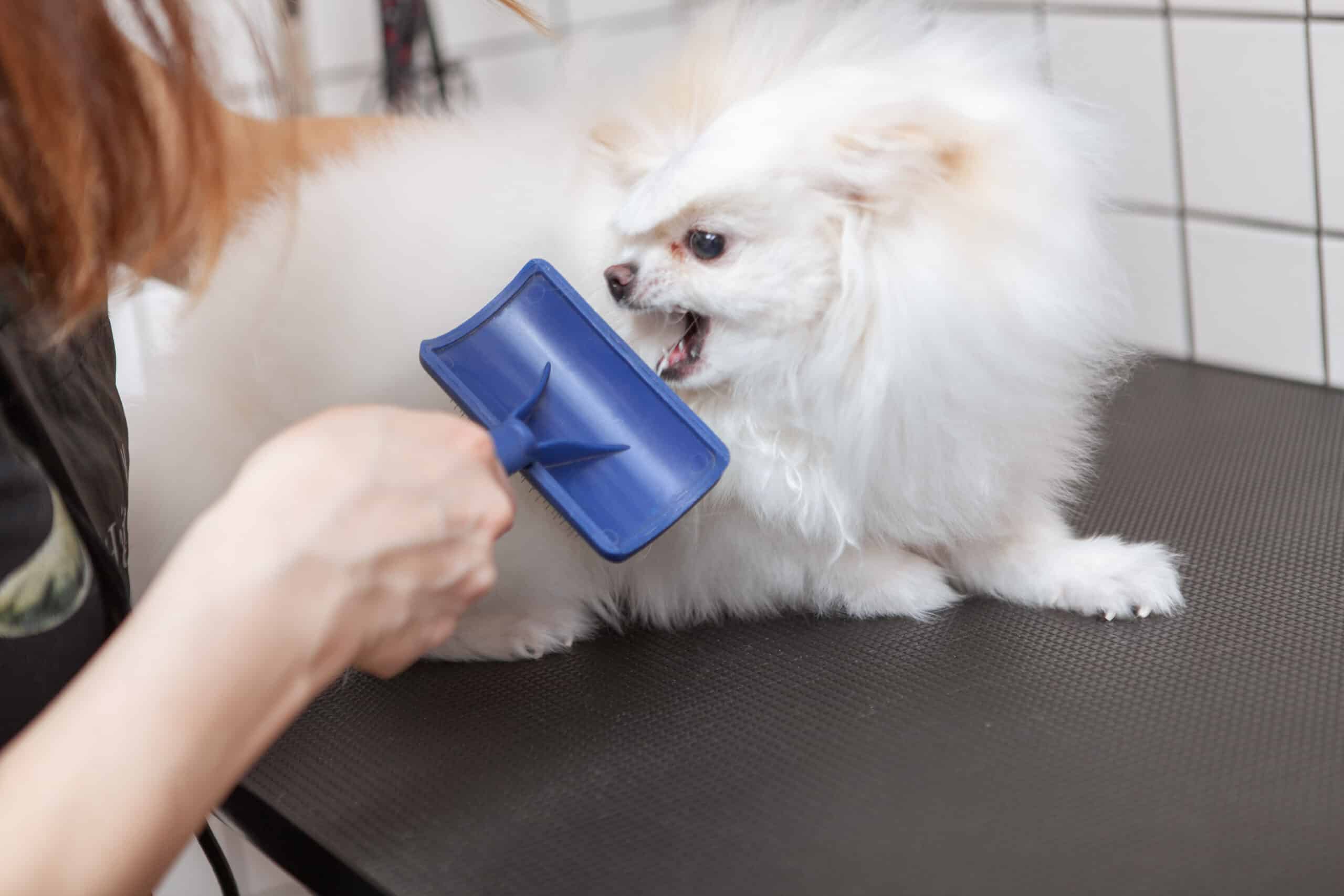
Because, sadly, in my line of work the number of dogs who do enjoy grooming are very few and far between…
Grooming is something very seldom done at home.
There are a few reasons why I think this is the case.
Aside from the initial novelty of being able to brush your puppy’s coat and give them their first few bubble baths and pampers, most dog owners will consider grooming to be a professional responsibility and task.
The typical logic here is:
- You have brought home a breed with a demanding coat type.
- You schedule them into a groomer every 2-3 months.
- You expect all things coat and skin care will be handled by the professionals.
But when lockdown hit, the world of dog owners quickly learned the cost of taking little responsibility in the maintenance of their dog’s coat, and the price was high.
Not only were there hundreds of thousands of dogs suffering with extensive matting, exasperated skin disorders, and parasites, there were countless more who suffered grooming-related injuries at the hands of owners who had never been shown how to correctly use a grooming tool.
Finally, people started to realise what I had been saying all along: grooming is something that should be learned and then embraced by the owner, in the home, over and above professional grooming services.
Grooming is a dog owner responsibility
The very first thing to say is that grooming is a dog owner responsibility – it is not the responsibility of the professional groomer to ensure a dog is well-groomed and matt-free.
Grooming is something that, ethically, you should already be able to do (and do well) before you even consider bringing a dog home.
It’s not just about combing and brushing a coat either, it’s not even about giving your dog a bath whenever they have decided to roll in fox poo.
Grooming is a vast area of care that involves having a strong foundational understanding of different dog-related topics over and above basic grooming tasks, including:
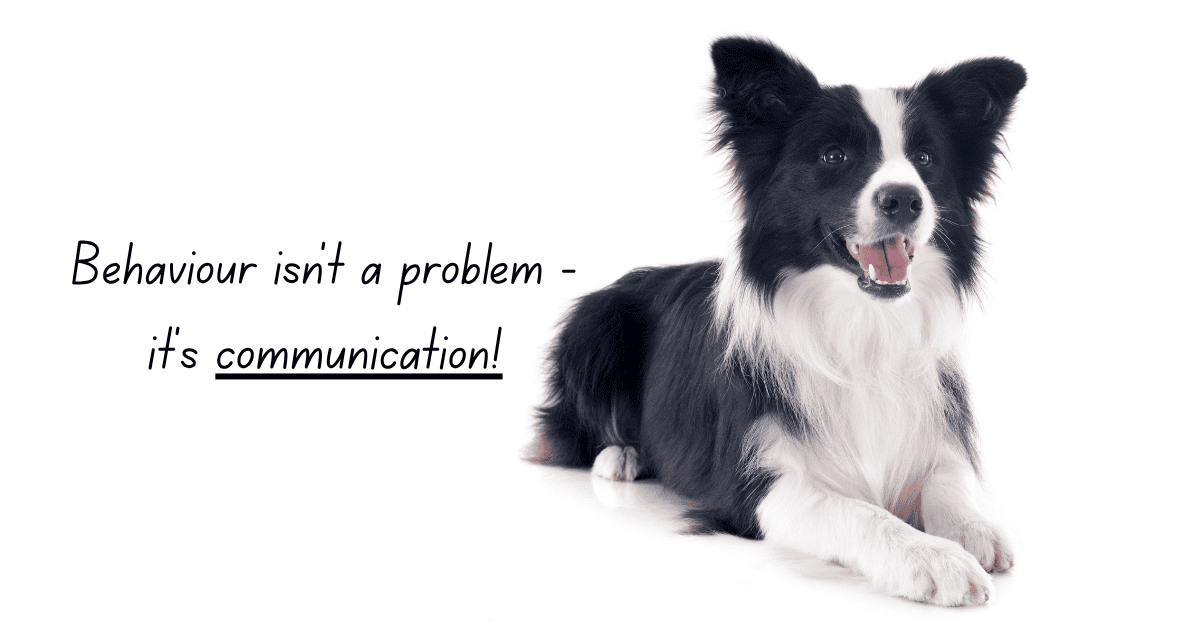
- canine body language, behaviour and communication
- basic first aid and health check assessment
- rewards-based training and behaviour modification theory
- how to carry out a low-stress bath, brush and dry
- how to identify signs of pain, illness, injury and parasites
- how to choose the right pet professionals
Having an understanding of how your dog thinks, feels and, as a consequence to this, reacts, is not only responsible dog ownership, but an effective way of helping to prevent unnecessary stress while supporting a dog to cope with more extensive grooming demands as well as other demanding events.
If anything, being able to be proactive and start integrating positive grooming processes before any issues begin to emerge, is reducing the likelihood of ever having to work with a dog with grooming-related trauma (and that will save you tears, sweat and a lot of money long-term).
Where the responsibility falls on the grooming professional
I have mentioned that it’s not the professionals responsibility to ensure a dog is well-groomed and matt-free, but it is our job to carry out procedures to make sure a dog is well-groomed and matt-free, while the dog is in our care.
This is relevant because it emphasises the requirement, again, for dog owners to be aware of what their dog needs, and how often they may need it to ensure they remain happy and healthy throughout their lives.
The really important factor to consider is this:
One scheduled grooming session by a professional groomer every 2-3 months isn’t going to prevent dirt, tangles and matting alone, nor is it going to aid in ensuring a dog remains confident, calm and cooperative during grooming tasks.
Where there are weeks between appointments, your dog will rely on you to ensure coat care is well-maintained, and that it is maintained in a positive and consensual way.
Even with a short coat, it’s important to note that every dog breed requires frequent grooming sessions on a weekly basis, if not for coat-maintenance itself but for the opportunity to experience handling and the benefits of cooperative grooming sessions.
What benefits should a dog owner expect?
One of the things I love most about grooming is how it can make me feel.
I decided to embark on grooming because I realised that grooming my dogs helped calm me down – for a person who had always struggled with high anxiety and depression, this revelation was the breakthrough I had been looking for, for most of my life.
After 16 long years of battling with mental health while remaining fully dependent on medicine to help get me through the day, I had found healing in grooming dogs, and I was finally able to self-manage my condition.
While it all sounds very “woo-woo”, I discovered that there is, in fact, a science to this.
After extensive research during the makings of what is now, ‘The Magic of Holistic Grooming’, I stumbled upon the works of ethologists and scientists, who had dedicated their lives to exploring animal behaviour, including what Zoologists refer to as “comfort behaviours” (aka: grooming).
Furthermore, I also came to find specific studies highlighting the biological and cellular response to physically interacting with canines, and the results were positively reassuring.
Basically, I had a solid, scientific foundation to base my own personal experiences of grooming upon and the rest (as they say) is history.
But the point is this:
If all animals of the animal kingdom actively take part in grooming, and the purpose is not only to preserve health but also enhance wellbeing and strengthen social structures, then why aren’t we embracing those benefits when we are grooming our dogs as well?
The answer, I believe, is that we don’t know that grooming can absolutely be, a form of therapy and healing.
It’s important to know how to prevent trauma
It’s probably worth mentioning that nothing is without risk as well, and it would be irresponsible of me to encourage a dog owner to begin grooming their dog without first obtaining some guidance on how to do so safely. As I’ve mentioned, it’s not as simple as brushing and bathing a dog – even this process has the potential to cause harm if done forcefully and/or without consideration of a dog’s needs.
Therefore, it’s wise to instead encourage a dog owner to invest in learning how.
It’s impossible for both the dog and the owner to enjoy grooming if grooming is stressful and relies on unreasonable force.
Therefore, knowing how to introduce grooming tasks in a positive way, very early on, is the very first step to preparing everyone on what to expect, individuality and basic welfare needs because even one negative experience can have a lasting impact.
How to make sure a dog has the very best chance of enjoying grooming at home
With this in mind, there are a few things I would like to suggest that you consider doing before you begin implementing a grooming regime at home:
- Do your research on the breed that is right for you, and hold out for the right breeder. Equip yourself with enough theory to understand what a breed needs to thrive, and also consider researching about ‘Functional Characters’ to ensure you are placed with a dog who is suitable for you and your home.
- Educate yourself in behaviour, communication and basic training principles so that you can help support your dog emotionally, psychologically and physically. Seek out reward-based (and qualified) trainers, groomers and behaviourists who support an ethical and modern approach to dog care, and be prepared to pay for the best support. Reputable professionals will also actively invest in their own. CPD and will openly share with you their insurance documents and certificates. Also, be prepared to work with your groomer to ensure your dog has the best chance at having a positive grooming experience.
- Set up your grooming space with your dog in mind. Your environment is relevant and therefore you should take some time to get to know what tends to distract your dog, and what helps them relax and feel safe. If you are interested in learning more about how to set up your home grooming space, check out this post for more tips.
- Don’t wait until your dog is 6-months old to begin grooming tasks. Grooming should be something you learn to do, and begin, almost immediately (as soon as your dog has settled into your home). Professional grooming should commence from the moment your dog is safe to venture outdoors, and reputable groomers will insist on taking your dog through a series of shorter sessions first to help prevent overwhelm. Check out this post for more information on when to start grooming your puppy.
- Book yourself in for a masterclass with your groomer – HGA graduates all offer this service. Knowing how to manage your dog’s coat safely at home is so important and will help your chosen groomer achieve the best possible grooming experience for your dog. Irrespective of which breed you have; holistic grooming is a practice that all owners should embrace and learn to help preserve health and wellbeing while also increasing your awareness of things to look out for as the years go on.
- Invest in the right grooming equipment and tools. This involves getting to know and understand the needs of your chosen dog breed. including their specific breed coat type. Coat types vary from breed to breed, but also from dog to dog – genetics and also lifestyle influence how healthy/unhealthy your dog’s skin and coat will be. I would personally recommend seeking the advice and guidance from your chosen groomer who may be able to put together a grooming kit tailored to your dog’s needs for you.
Learn more with me?

If you would like to learn more about ways to support your dog at home, please join our free Skool community here.
If you would like to read more about ways to support your dog and your groomer during grooming tasks, please consider purchasing my latest bestselling book, ‘Help! My Dog Hates Grooming‘.
Additionally, if you are interested in learning more about functional characters, check out my collage Heather Stevens and her amazing work here.