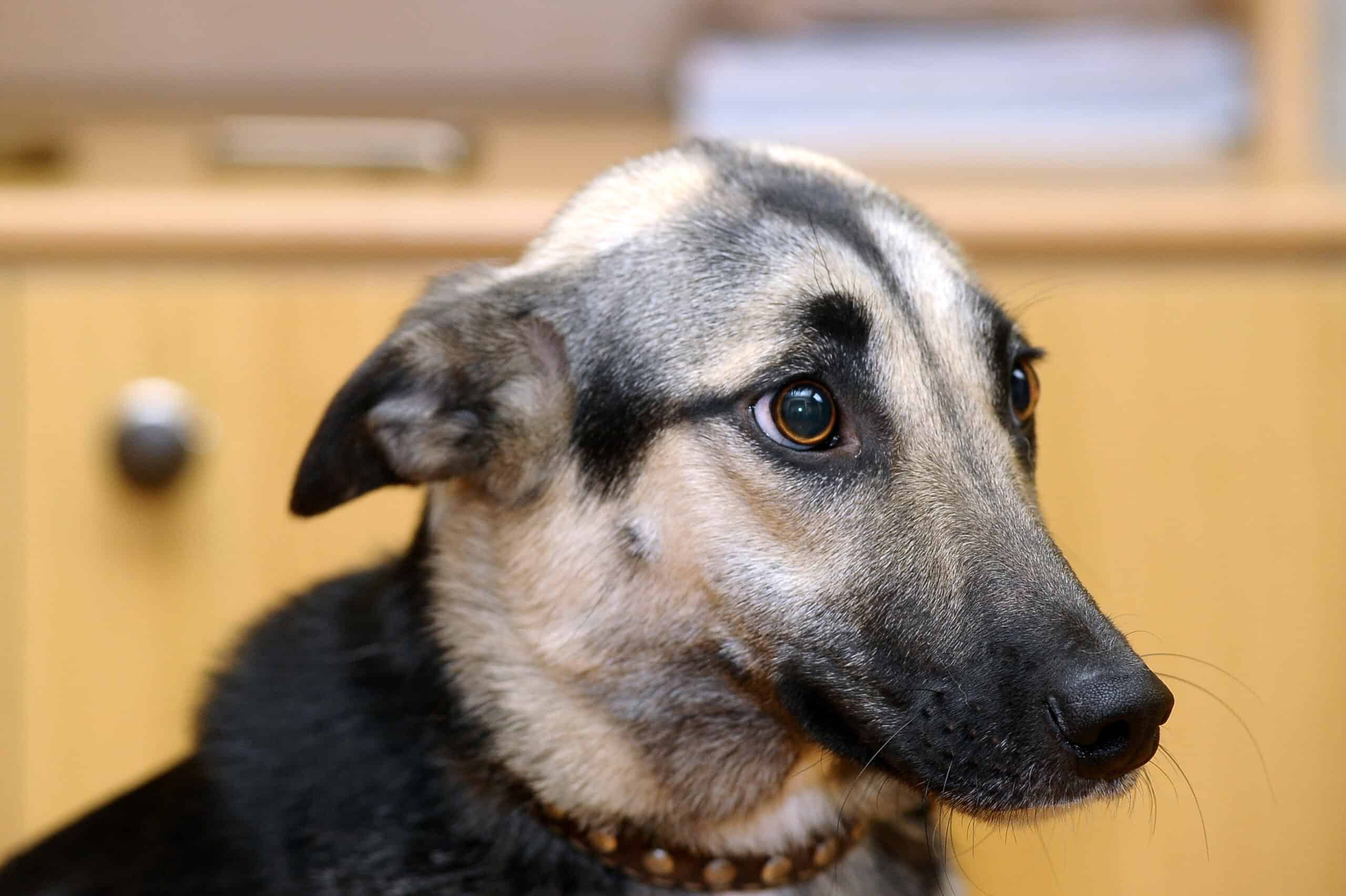
Grooming is not simply something we do to animals; it is an experience animals live…
Dog grooming is often viewed as a routine husbandry task consisting of hygiene, appearance, and health maintenance. Yet grooming interactions between humans and animals are more complex than simple coat care and styling. They involve behavioural responses, emotional states, physiological processes, learning histories, human-animal relationships, and welfare outcomes. Despite the complexity, grooming has received relatively little attention as a distinct area of study within Applied Behaviour and Animal Welfare science.
This observation has motivated the development of what I refer to as the Applied Behaviour and Welfare Grooming Framework – a conceptual approach that positions grooming as a meaningful behavioural and welfare event rather than merely a management procedure.
Looking Beyond The Surface of Grooming
For many dogs, grooming procedures can be associated with a wide range of experiences. Some individuals readily cooperate and appear relaxed during grooming sessions. Others display signs of avoidance, fear, frustration, or stress. These differences may arise from previous experiences, temperament, environmental conditions, handling techniques, health status, or the quality of the human-canine relationship.
At the same time, grooming can provide significant welfare benefits. It may improve physical comfort, support skin and coat health, facilitate health monitoring and early intervention, strengthen positive human-canine interactions, and create opportunities for cooperative care. The challenge is understanding when grooming contributes positively to welfare, and when it may compromise it.
The Applied Behaviour and Welfare Grooming Framework (ABWGF) seeks to provide a structure for exploring these questions.
A Behavioural and Welfare Perspective
The framework draws upon principles from applied animal behaviour, learning theory, welfare assessment, and human-canine interaction research.
Rather than viewing grooming solely as a physical procedure, it considers grooming as an event influenced by multiple interconnected factors.
Specifically:
- the dog’s behavioural responses before, during and after grooming
- indicators of positive and negative affective states
- individual differences in temperament and coping styles
- environmental influences and management protocols
- the skills, attitudes, and behaviour of the handler/groomer
- the development of trust and cooperative care behaviours
- short-term and long-term welfare outcomes
By integrating these components, the framework aims to provide a more holistic understanding of the grooming experience from the dog’s perspective.
Why This Matters for Animal Welfare Science
Animal welfare science has made significant advances in understanding housing, enrichment, training, transport, veterinary care, and human-animal relationships. However, grooming remains a relatively under-explored area despite being a common, and often, unavoidable aspect of dog care.
This gap presents an important opportunity.
Grooming occurs across a wide range of contexts, including companion animal care, professional grooming services, veterinary settings, equine management, zoological institutes, and agricultural systems. As such, it offers a valuable lens through which to examine animal behaviour, welfare indicators, stress responses, cooperative care practices, and human-animal interactions.
A stronger evidence base could help identify best practices that reduce fear and distress while promoting positive experiences and the highest welfare standards.
A New Discipline Entirely?
Perhaps the most exciting implication of The Applied Behaviour and Welfare Grooming Framework is that it invites us to rethink grooming altogether.
Historically, grooming has been viewed primarily as a husbandry activity – something performed to maintain hygiene, appearance, health and/or breed standards. While these functions are undoubtedly important, such a perspective risks overlooking the behavioural and emotional experiences of the animal undergoing the procedure.
What if grooming were considered not merely a management task, but a welfare event?
Every grooming interaction has the potential to influence an animal’s emotional state, behavioural responses, learning history, perception of human interaction, and overall welfare. Whether that influence is positive, neutral, or negative depends on numerous factors, including the animal’s previous experiences, level of choice and control, handling methods, environmental conditions, and the quality of the human-animal relationship itself.
Despite these considerations, grooming remains relatively absent from mainstream discussions within applied behaviour and animal welfare science. This absence represents both a challenge and an opportunity.
The Applied Behaviour and Welfare Grooming Framework proposes that grooming deserves recognition as a distinct area of scientific investigation. By integrating concepts from applied behaviour analysis, animal welfare science, ethology, learning theory, cooperative care, and human-animal interaction research, we can begin to explore grooming as a meaningful welfare experience in its own right.
This perspective may ultimately contribute to the development of what could be termed Grooming Welfare Science – an interdisciplinary field dedicated to understanding how grooming and related husbandry procedures affect animal behaviour, emotional wellbeing, welfare outcomes, and human-animal relationships across species.
Initially, this work will focus on dogs, where grooming is a routine and often essential component of care. However, the broader vision extends far beyond canine welfare. The principles underpinning the framework may have relevant for cats, rabbits, horses, livestock species, zoological collections, and other animals whose welfare is influenced by routine handling and care procedures.
Future research could investigate questions such as:
- how do animals experience grooming from their own perspective?
- which behavioural indicators best reflect positive or negative grooming experiences?
- how do choice, agency, and cooperative care influence grooming outcomes?
- can grooming be used as a measurable indicator of welfare and human-animal relationship quality?
- what breed-specific/species-specific factors influence grooming tolerance, participation, and wellbeing?
- how can evidence-based grooming practices contribute to positive welfare across diverse animal populations?
By addressing these questions, Grooming Welfare Science has the potential to transform how grooming is understood, taught, assessed, and practiced.
Most importantly, it encourages us to view grooming not simply as something we do to animals, but as an experience animals live though – one that may shape their welfare in profound and measurable ways.
As both an animal behaviour practitioner and researcher, I hope to contribute to this emerging conversation and to build an evidence base that places the animal’s experience at the centre of grooming practice. If the welfare sciences seek to understand what constitutes a life worth living for animals, then the everyday experiences that shape that life – including grooming – deserve our full attention.
An Invitation to Collaborate
The Applied Behaviour and Welfare Framework is intended as a stating point for discussion, investigation, and collaboration. As research in animal welfare continues to evolve, there is considerable value in exploring everyday practices that shape dogs’ lived experiences.
I welcome conversations with dog carers, researchers, practitioners, animal welfare professionals, groomers, behaviourists, trainers, and students who share an interest in understanding how grooming influences behaviour, welfare, and human-canine interaction.
By bringing together perspectives from applied behaviour and welfare science, we have an opportunity to better understand the grooming experience and, ultimately, improve the lives of dogs and other animals in our care.
To contribute please get in touch via my contact page today.