I want to first start by saying I have tremendous respect for the skill and artistry that our grooming competitions showcase—the passion, the creativity and the technical precision displayed are nothing short of impressive.
However, I believe we need to have an honest conversation about what message we’re sending when these competitions aim to become the primary measure of professionalism in our industry.
The Styling-First Problem
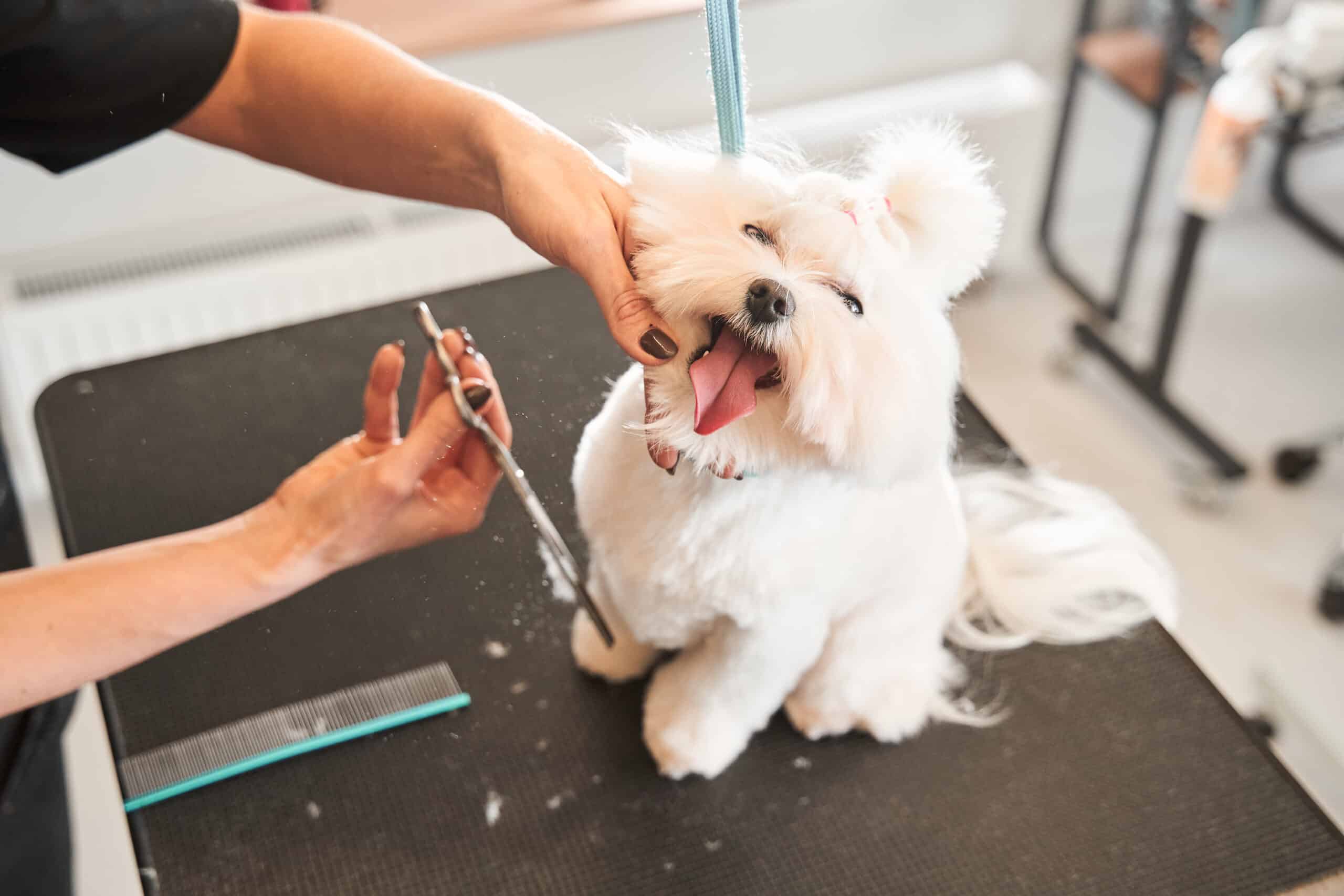
When we elevate intricate styling skills as the pinnacle of grooming excellence, what happens to all of the other parts of our role that make grooming physically, physiologically and emotionally good for dogs?
What happens when we lose sight of the true purpose and role of grooming—how it can contribute to safeguarding the wellness of the animals in our care?
The Animal Welfare Act 2006 establishes a duty of care that extends to all professionals working with animals, including groomers (UK Government, 2006). This legislation emphasises the need to protect animals from suffering and ensure their welfare needs are met—principles that must underpin every aspect of professional grooming practice.
Because when we measure grooming competency solely on how well we can style dogs, we risk so much.
Misrepresenting our core purpose:
Professional grooming should prioritise a dog’s comfort, health and wellbeing above how they look.
As Serpell (2017) notes, “the welfare of companion animals should be the primary consideration in all interactions, superseding aesthetic or commercial interests.”
Creating unrealistic expectations:
Dog carers may expect their anxious, unhealthy and/or elderly dogs to tolerate more demanding and complex styling procedures irrespective of how this impacts them emotionally.
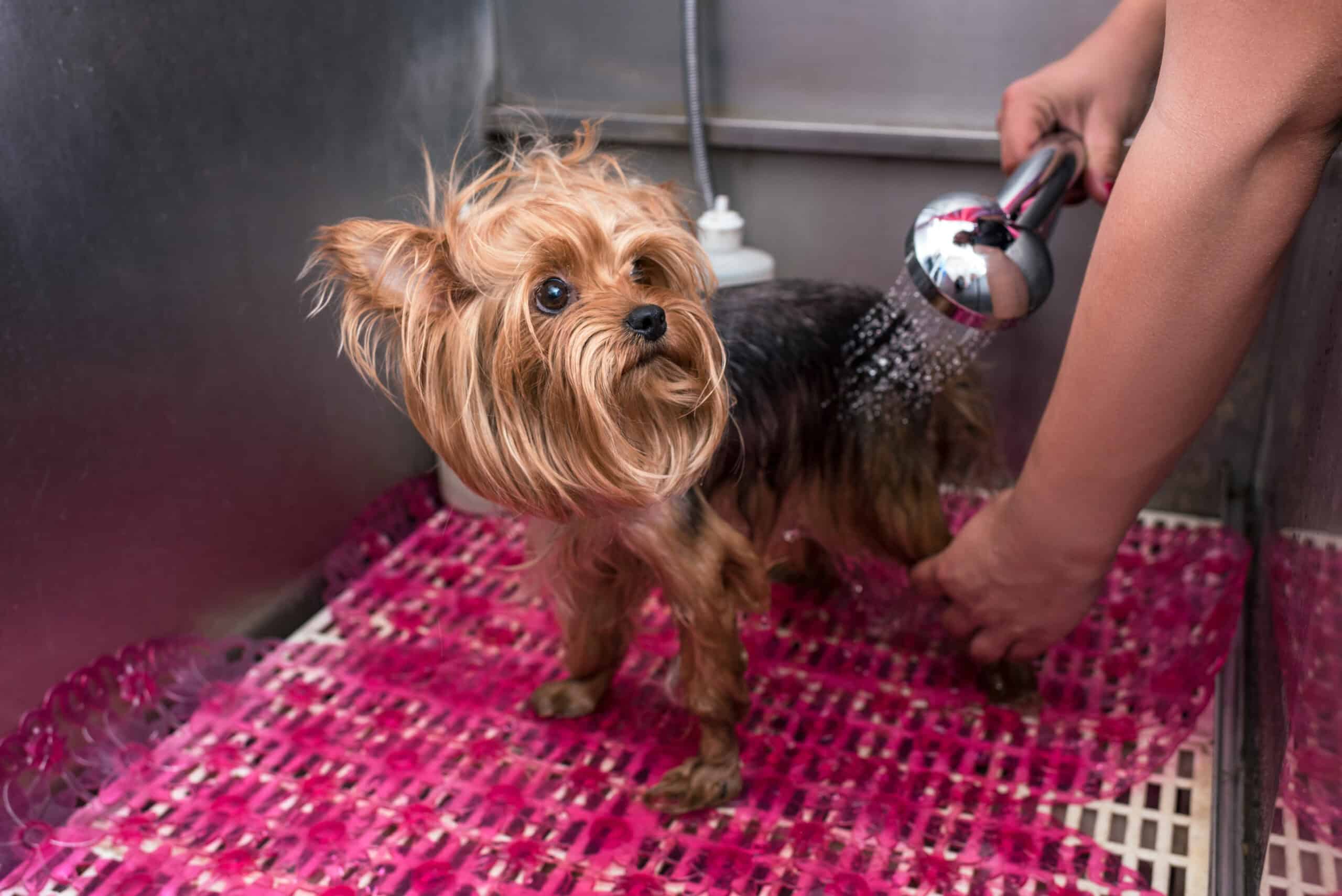
Research by Döring et al. (2009) found that grooming procedures can induce significant stress responses in dogs, particularly when individual temperament and previous experiences are not considered.
Overlooking welfare expertise:
Skills in effectively identifying stress, pain and/or injuries, cooperative care and behavioural support are simply not demonstrated, or even tapped into, in competition formats. The ability to recognise subtle indicators of distress is fundamental to ethical practice. Mills et al. (2020) emphasise that “professional competence in animal care must include the capacity to identify and respond appropriately to behavioural and physiological indicators of compromised welfare.”
Perpetuating outdated practices:
Competition environments often don’t reflect the patience and individualised approach that modern, welfare-focused grooming acknowledges. Rooney et al. (2009) argue that “training and handling methods that prioritise compliance over emotional wellbeing are inconsistent with contemporary understanding of canine cognition and welfare.”
What Gets Lost in Translation
When the experience a dog has during grooming processes comes first, grooming becomes less stressful and more enjoyable.
The most skilled professional groomers I know are masters not in styling, but in:
- Reading canine body language and stress signals
- Adapting techniques for fearful, elderly and special needs dogs
- Educating the public on how to identify subtle cues to help safeguard a dog’s wellness
- Prioritising a dog’s emotional state and being able to effectively demonstrate a bespoke grooming plan to consider a dog’s individual needs
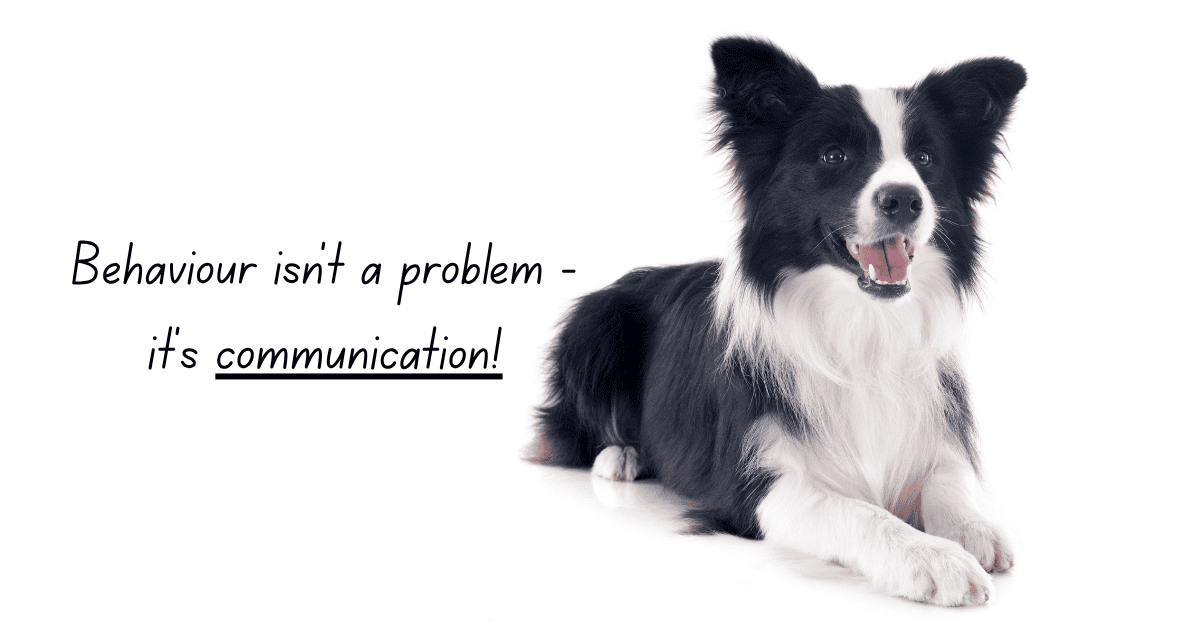
Behavioural indicators such as lip licking, yawning, body tension, whale eye and avoidance behaviours are well-documented signs of stress and fear in dogs (Beerda et al., 1998; Shepherd, 2002). Yet these signals are rarely, if ever, assessed or addressed within competitive grooming formats.
These crucial skills, skills that actually consider the needs of dogs and how grooming can add to a dog’s overall care plan to preserve health and wellbeing and prolong lifespan, are what defines true excellence in grooming.
The Five Domains Model of animal welfare (Mellor, 2016) provides a comprehensive framework for assessing welfare that extends beyond physical health to include mental and emotional states. This model recognises that positive welfare is not merely the absence of negative experiences but the presence of positive ones (a principle that should be central to grooming practice).
Grooming competitions, albeit admirable from an aesthetic standpoint, simply don’t address the pressing need for a more dog-centred, science-backed and modern grooming industry that places dog welfare at the forefront of every future opportunity we have to demonstrate meaningful competency, despite what attendees say.
A Better Way Forward
By the way, I absolutely believe there’s a place for celebrating creativity and technical styling skills! But as many have also agreed, perhaps this could be achieved through:
The use of synthetic model dogs that would allow stylists to really explore and fine-tune their skills without the worry of stressing a dog, contributing to existing or unidentified pain, and/or delivering the wrong message to the public.
That way we could truly focus on:
- Prioritising welfare-focused assessments that will shift how we measure competency from aesthetics to how effective a groomer is at identifying and addressing individual dog needs first. As the RSPCA (2017) states, “professional standards in animal care should be measured by welfare outcomes rather than aesthetic results.”
- Celebrating holistic outcomes that raise awareness of the importance of synchronised care across all pet care sectors, and how groomers demonstrate effective collaboration efforts with local veterinary professionals, as well as the wider pet care community. The British Veterinary Association (2019) advocates for “multi-disciplinary approaches to companion animal care that recognise the interconnected nature of physical and behavioural health.”
The Real Art of Grooming
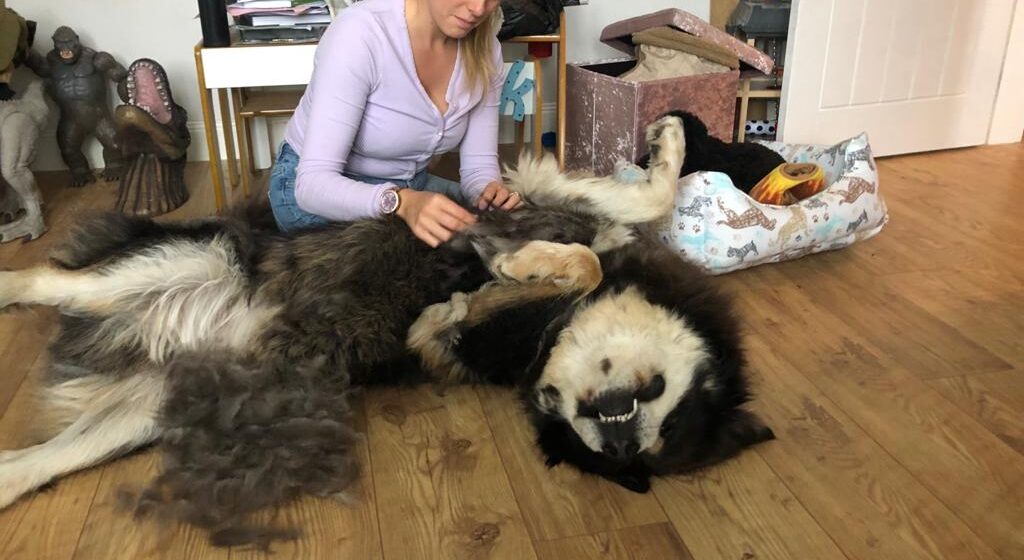
The most profound grooming transformations I’ve witnessed aren’t to do with scissor and clipper work at all but with establishing trust and cooperation in some of the most fearful dogs.
Watching groomers effectively support and guide the average pet dog through a carefully devised care plan that helps to reduce fear, pain and anxiety and make the grooming experience more enjoyable is more significant when thinking about the bigger picture, and how a grooming session can contribute to the dog’s health both short and long term.
Cooperative care, an approach that empowers animals to participate actively in their own care, has been shown to reduce stress, improve welfare outcomes and strengthen the human-animal bond (Deldalle and Gaunet, 2014). This methodology aligns with modern understanding of positive reinforcement and choice-based training principles.
What if we dared to redefine excellence to reflect what truly matters—not just how we think a dog looks at the end of a grooming appointment, but how they felt throughout the entire process?
In my recent keynote presentation at The Holistic Pet Care Conference, I sought to challenge the status quo by suggesting that the reason why the grooming industry is not widely respected is because we have lost the real purpose of our roles and, as such, have disregarded the real contribution we could make to the lives of dogs.
Moving Forward Together
Grooming competitions, at least those that we know so well right now, are not the way to a more competent grooming industry.
Instead, we should be focusing on delivering grooming events that consider educating on what welfare means in the context of grooming, and how to properly decipher animal welfare legislation without jumping through loopholes.
I’d love to see more enthusiasm and money spent on events and CPD that will actually make a difference to the wellbeing of our dogs, rather than continue to feed into the deep pockets of individuals who seek to benefit from a more aesthetic-focused industry that doesn’t leave room for the experience a dog has.
As Yeates (2018) eloquently argues, “the professionalisation of animal care requires a fundamental shift from tradition-based practices to evidence-based welfare science.”
I’d love to hear thoughts from fellow professionals who are passionate about elevating our industry standards whilst keeping welfare at the heart of everything we do.
References
Beerda, B., Schilder, M.B.H., van Hooff, J.A.R.A.M., de Vries, H.W. and Mol, J.A. (1998) ‘Behavioural, saliva cortisol and heart rate responses to different types of stimuli in dogs’, Applied Animal Behaviour Science, 58(3-4), pp. 365-381.
British Veterinary Association (2019) Integrated approaches to companion animal health and welfare. London: BVA.
Deldalle, S. and Gaunet, F. (2014) ‘Effects of 2 training methods on stress-related behaviors of the dog (Canis familiaris) and on the dog–owner relationship’, Journal of Veterinary Behavior, 9(2), pp. 58-65.
Döring, D., Roscher, A., Scheipl, F., Küchenhoff, H. and Erhard, M.H. (2009) ‘Fear-related behaviour of dogs in veterinary practice’, The Veterinary Journal, 182(1), pp. 38-43.
Mellor, D.J. (2016) ‘Updating animal welfare thinking: Moving beyond the “Five Freedoms” towards “A Life Worth Living”’, Animals, 6(3), p. 21.
Mills, D.S., Demontigny-Bédard, I., Gruen, M., Klinck, M.P., McPeake, K.J., Barcelos, A.M., Hewison, L., Van Haevermaet, H., Denenberg, S., Hauser, H., Koch, C., Ballantyne, K., Wilson, C., Mathkari, C.V., Pounder, J., Garcia, E., Darder, P., Fatjó, J. and Levine, E. (2020) ‘Pain and problem behavior in cats and dogs’, Animals, 10(2), p. 318.
Rooney, N.J., Cowan, S., Bradshaw, J.W.S. and Robinson, I.H. (2009) ‘A comparison of dog-dog and dog-human play behaviour’, Applied Animal Behaviour Science, 66(3), pp. 235-248.
RSPCA (2017) Companion animal welfare: Professional standards and public expectations. Horsham: RSPCA.
Serpell, J.A. (2017) ‘The welfare of assistance and therapy animals: An ethical comment’, Applied Animal Behaviour Science, 186, pp. 1-5.
Shepherd, K. (2002) ‘Development of behaviour, social behaviour and communication in dogs’, in Horwitz, D., Mills, D. and Heath, S. (eds.)
BSAVA Manual of Canine and Feline Behavioural Medicine. Gloucester: British Small Animal Veterinary Association, pp. 8-20.
UK Government (2006) Animal Welfare Act 2006. London: The Stationery Office. Yeates, J. (2018) ‘Naturalness and animal welfare’, Animals, 8(4), p. 53.