There’s mixed opinions on when to start grooming a puppy, with most puppy carers thinking grooming is only necessary when the coat starts to get messy. By this point, you’re already late to the party! I can’t count the number of times I have received an enquiry about getting a puppy into the salon for their first puppy groom, only to be told they are 6-months-old…
Actually, by the time your puppy turns 6-months-old, they have entered their adolescence stage which, in it’s own right, brings about some additional needs that many carers and professionals don’t think about, and it’s these additional needs that often lead to more troublesome grooming-related issues in the future.
Preparing a puppy for grooming starts long before any grooming activity
Ideally when the puppy is still a puppy. A knowledgable carer and professional will already know that the puppy stage is between 0 and (approximately) 6-months of age, which really means that puppies should be positively introduced to basic grooming activities from day one.
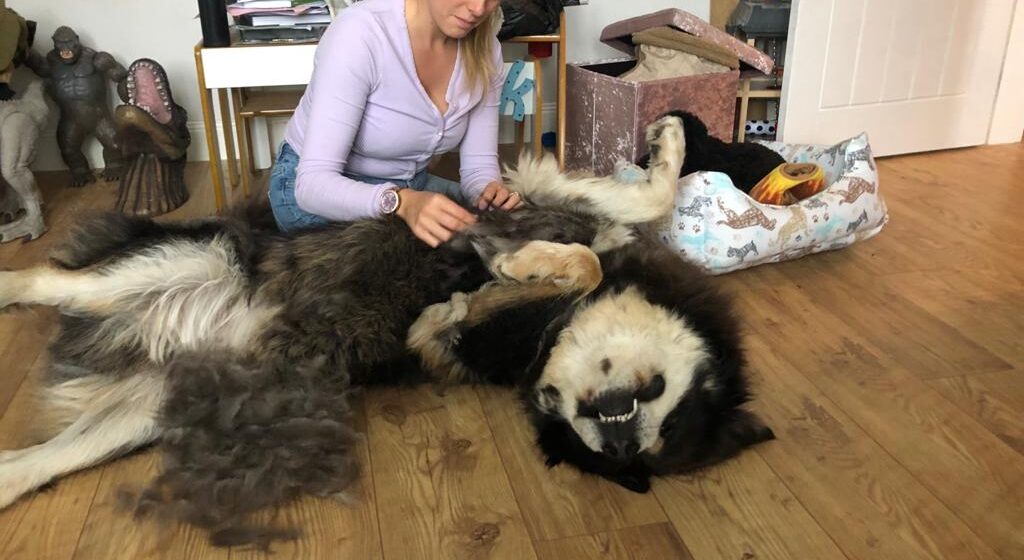
Any physical interaction between a dog and human should be mindfully considered since grooming is a touch-based profession. This means the puppy’s breeder should already be introducing gentle handling activities with newborn puppies to help get them used to human interaction.
These activities should then continue to be positively reinforced with every other human interaction the puppy has, including the Vet who will, most likely, be responsible for administering the first of a series of vaccinations and microchip. The veterinary environment itself can be very similar to the professional grooming environment, and so it’s definitely wise that the breeder does everything they can to ensure a puppy has a good experience at the Vets by sourcing a reputable, and behaviour-savvy Veterinarian.
Once a puppy has been placed with their forever family, the next part of this process relies a great deal on how each family member interacts with the puppy as well – any and all physical contact should be positive, non-invasive, and dog-centred – yet a great deal of families enter into puppy parenting blissfully unaware of the significant part they play in preparing a puppy for future grooming experiences. This is particularly concerning, when dealing with breeds with complex coat types, since there’s a high chance they will require regular grooming appointments for the duration of their life.
For example, if a puppy is exposed to rough handling or a particularly traumatic experience involving physical interaction, noise, or grooming-related activities, they will require careful desensitisation to future similar experiences prior to being expected to endure grooming tasks.
It’s super relevant and so easily avoided – we just need to do a better job at raising awareness of how important these early days are, and ways to help give the puppy the best possible start at living a confident and low-stress life.
What does HGA Puppy Grooming involve?
In HGA Philosophy, grooming starts with conditioning a dog to feel safe with grooming processes, long before any physical grooming occurs.
If a puppy enters the salon having already been positively introduced to various handling and grooming activities, we can expect a far easier transition from home grooming tasks to professional grooming ones.
Instead, we are more likely to be faced with a teenage dog with little-to-no experience with grooming which means that there’s a lot more work to be done first, to help better prepare the dog for strenuous grooming tasks.
Because behaviour and training are interlinked with grooming, more than many people realise – without understanding how to work with a dog, based on their needs, a groomer can expect to make very little progress, and so it first begins with careful introductions to the environment and process to encourage cooperation.
Dogs become willing participants of their grooming journey, rather than solely recipients.
When should a puppy be introduced to grooming-specific tasks?
At home and from as early as 12-weeks (or whenever a family brings their puppy home).
It’s first important to distinguish the differences between grooming and styling, because this is where carers get confused and why many “puppies” visiting the salon for the first time are not actually puppies at all.
Styling begins when a dog’s coat is maturing and becoming higher maintenance – specifically, the coat is longer or thicker.
On the other hand, grooming is something that involves the preservation of the dog’s biggest organ – the skin. A good grooming routine helps to prepare the skin and coat for a long-life of good health. The skin is the body’s first line of defence against various health conditions and so it’s worthwhile taking care of it as early as possible.
Grooming, therefore, should be introduced in ways that help show a puppy that the process is enjoyable.
Things like:
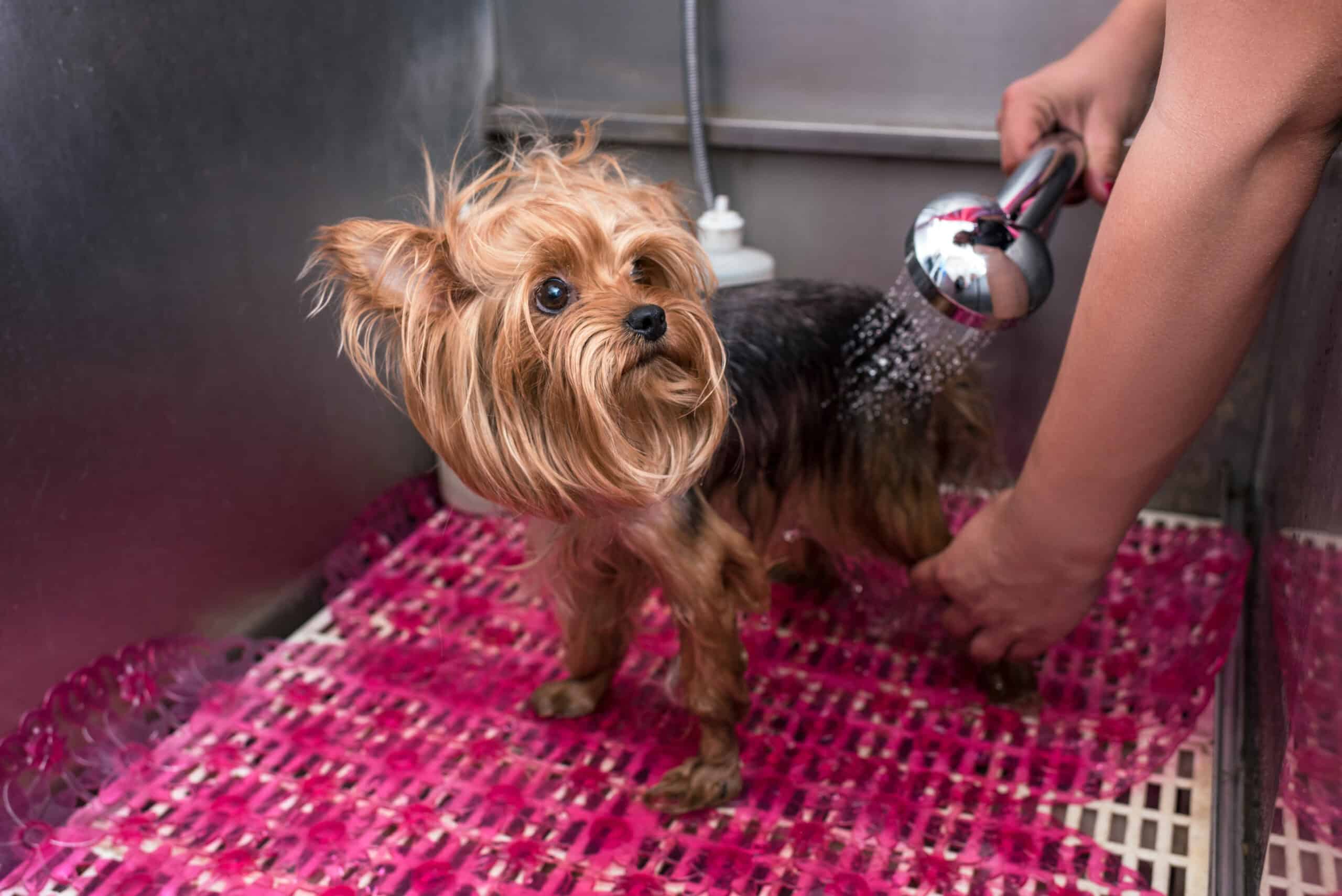
- gentle bathing and brushing rituals
- introduction to different drying processes
- specific tricks that can be taught in a fun way to help with cooperative care
All can begin from the comfort of a puppy’s home environment, and gradually built upon as the puppy builds in confidence and resilience.
Once a puppy has been given the all-clear from their Vet to venture outdoors, the family can then think about expanding on the puppy’s experience by introducing them to a more professional grooming setting – a great deal of research should be done prior to this to ensure the right groomer is selected based on the carer’s expectations, but also, individual puppy’s needs.
Typically speaking, a puppy should be welcomed into a professional grooming environment by the time they are around 14-15 weeks old, allowing the groomer to begin the introduction process before any styling is required.
What grooming tools should I start with and will this change as they get bigger?
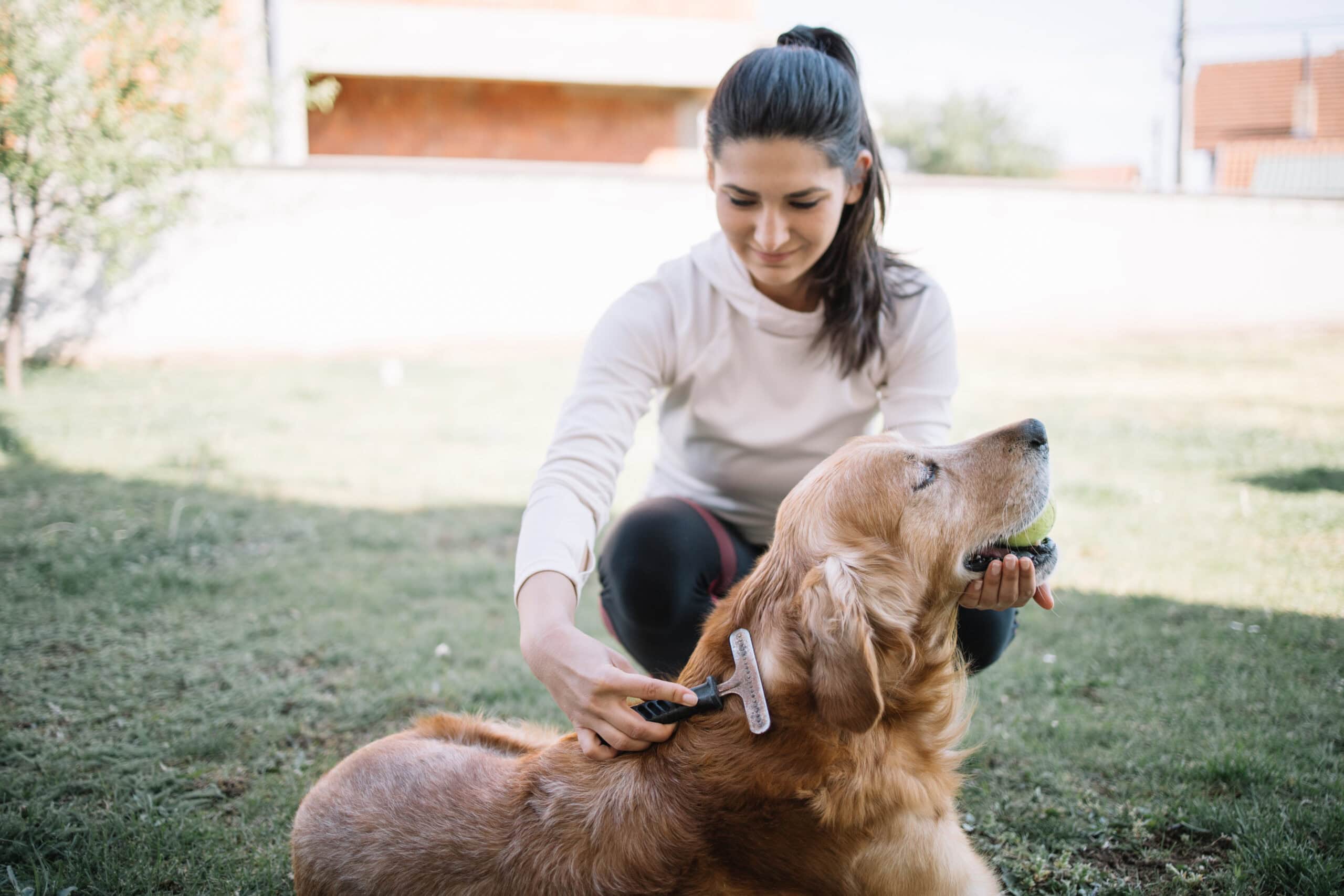
For very early introductions to puppy grooming, the least invasive tools are always best.
Your hands are the most effective beginner tools to begin your puppy’s grooming journey because you can physically feel yourself how much pressure is being placed against the skin.
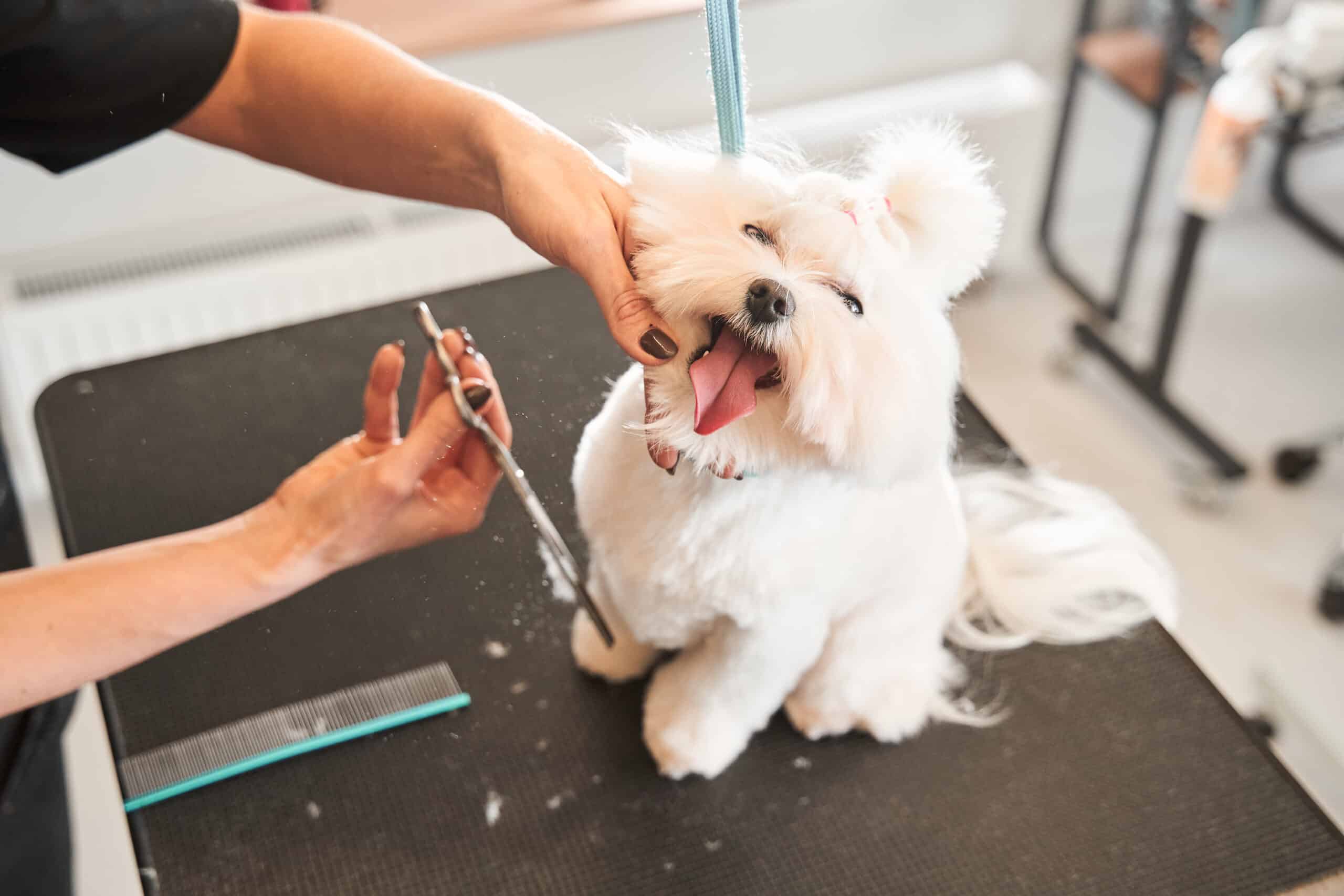
Much of the professional grooming process is to do with body manipulation – body parts are often moved by the groomer, adjusted and/or controlled while specific tasks are performed. This is important, especially when we consider the tools that groomers must use to successfully trim, clip, and shave coat.
Your hands, alongside the following:
- a bristle brush
- a greyhound comb
- a tangle teaser
- a toothbrush (finger ones initially)
- and basic bathing products designed specifically for puppies
Can all be added to your tool kit at home, to help gradually expose your puppy to basic grooming rituals.
Depending on your dog’s breed and individual health, your tools may expand to consider additional demands.
For example, double-coated breeds will require a rake to help assist with removing dead coat – specific rakes that I recommend can be found in my recommended products list here.
But for many other breeds, it may stay the same and, instead, the procedure itself may be adapted to accommodate to changes in the skin and coat.
I personally believe that all dog’s are individual and have their own personal preferences on tools as well, and so I always ensure that I do a quick self-selection test on puppy’s entering adolescence and other life stages, to help ensure that the grooming process remains as comfortable as possible.
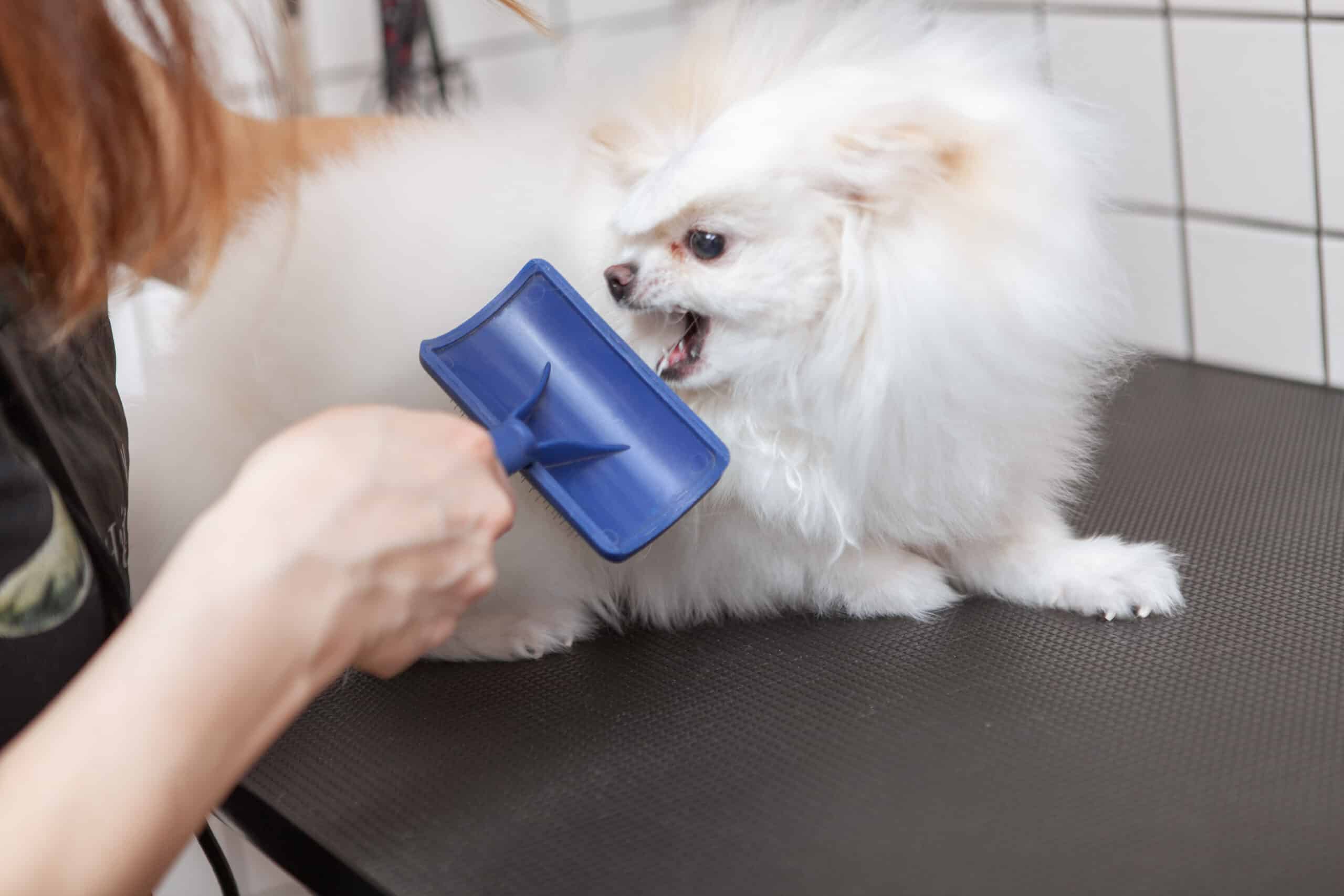
For example, a slicker brush might feel incredibly uncomfortable against a dog with skin sensitivity or unresolved pain in the fascia, but might be tolerated a lot more in a dog with no health concerns.
Note: I don’t actually use slicker brushes at all, regardless of breed, as per the guidance of the canine dermatology course I completed with DAATA.
What is the process for introducing grooming in the right way?
Understandably, this is a huge topic and something I cover in greater detail in my Accredited CPD course, The Behaviour Grooming Diploma, via The Holistic Grooming Academy.
However, to keep it simple:
- Introduce a new sensation (touch, tool, sound, process)
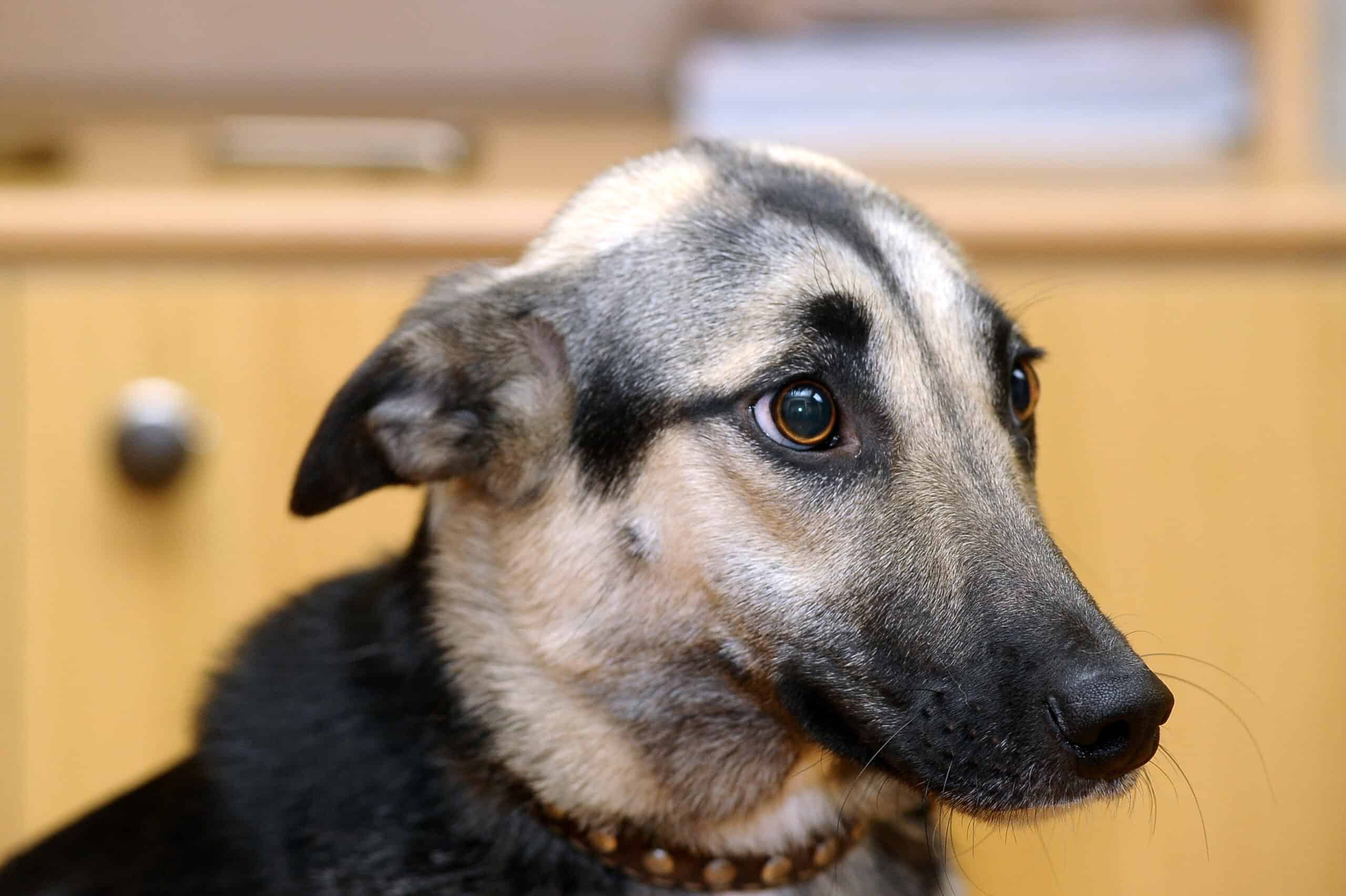
- Observe the puppy’s response (relaxed, apprehensive, tense or conflicted)
- Reward to reinforce desired behaviours (curiosity, calmness, confidence)
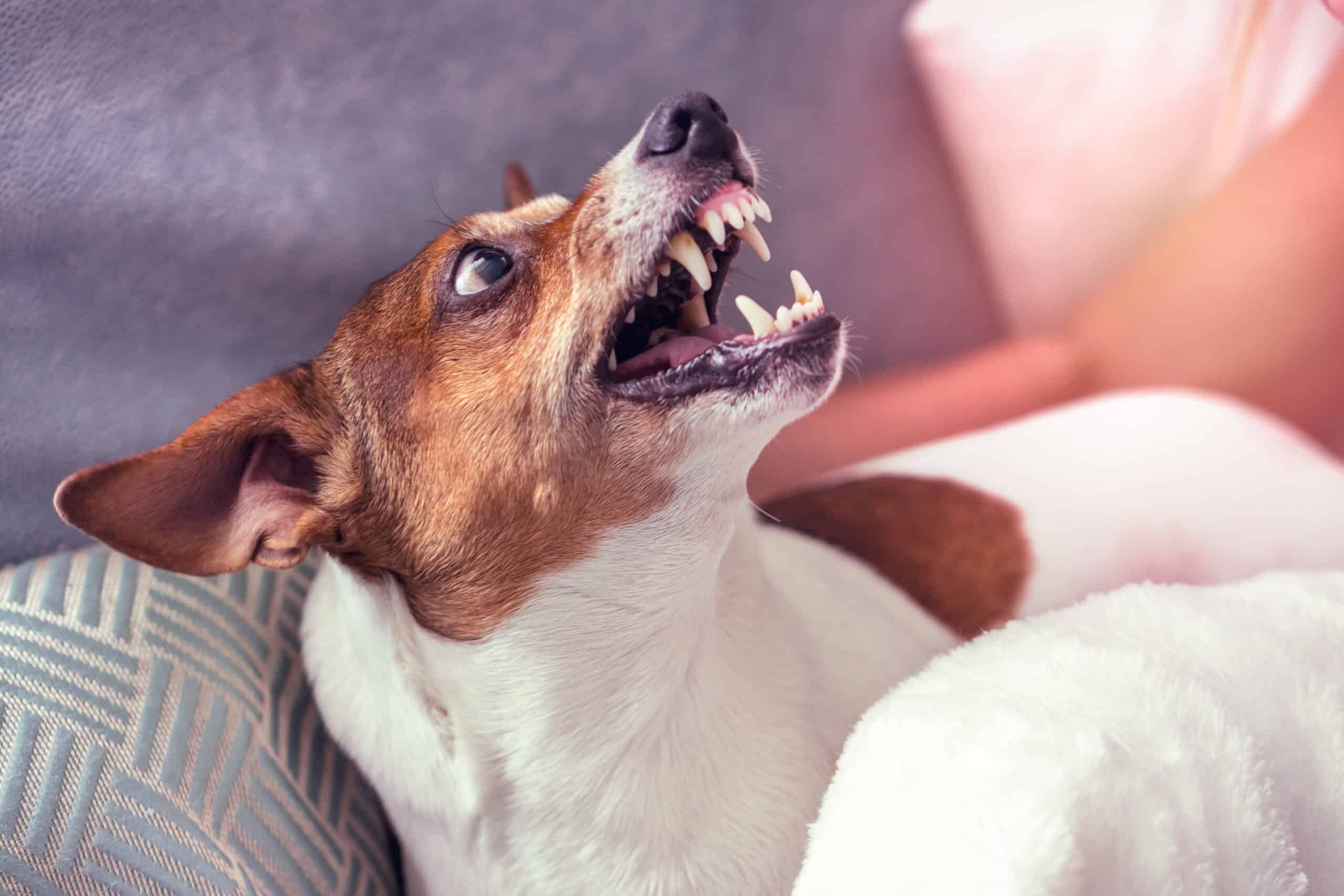
- Ignore but listen and adjust when undesired behaviours are observed (fear, resistance, anxiety)
- Repeat the exercise (only at a level the puppy can handle)
- Gradually advance the exercise (but only as the puppy’s confidence grows)
The most important rule of introducing grooming tasks to puppies (and any dog of any stage for the matter) is to stop before the puppy’s stress levels escalate.
Progress can only be made while a puppy is experiencing little-to-no stress, anything that results in more obvious signs of stress means that the puppy will be incapable of learning, and will more likely, learn to fear a specific sensation and/or task.
It’s crucial that success isn’t measured by how much you can do before a puppy reacts in an undesirable way, but how effective you are at identifying, listening and responding accordingly to early signs of anxiety and stress.
What are the common mistakes people make when grooming a puppy?
Most grooming struggles aren’t actually caused by “difficult” and/or “unruly” dogs.
They come from a carer and/or groomer’s lack of understanding on how to introduce early experiences in a positive way.
We are so quick to blame the dog for when things don’t go our way, but seldom to we stop to consider the role we play in making grooming a negative experience for the dog who is struggling.
By reframing the way we view uncooperative dogs, we can build on our ability to provide a more bespoke grooming service that considers what a dog needs in order to view grooming as something positive and enjoyable.
With puppies especially, carers and groomers can quickly become frustrated with behaviours that are, actually, normal.
Behaviours such as:
- restlessness
- hyperactivity
Which, might very well get in the way of grooming tasks, but are uncontrollable behaviours to a juvenile puppy who just wants to explore and play.
Instead, giving grace to these behaviours while working with puppies in a way that plays to their limitations and interests helps to speed up progress in the long run.
For example:
- instead of physically forcing a puppy to stay still by holding them in place, we can introduce a fun game to teach calmness
- instead of expecting a puppy to stand for an extended period of time by placing restraints on them to stop them from escaping, we can split up grooming tasks to allow for rest, play and toilet breaks in between
- instead of scolding a puppy for mouthing the brush, we can offer them an alternative (and suitable) distraction that helps to relieve the cause of why they are mouthing in the first place
This is where training, behaviour and grooming become interlinked, and why I strongly emphasise, through my course, the need for groomers to embrace training and behaviour as part of their roles.
Failing to acknowledge behaviours as normal doesn’t just result in a more frustrated dog, carer and groomer, but it also creates long-term aversion to grooming tasks.
Why most puppy carers still struggle with puppy grooming tasks
Even with the right advice, many carers are hit with the same problem:
“I understand the concept, but I don’t know how it looks in practice”
There’s a whole lot of things that also contribute to confusion and uncertainty, including:
- misinformation and/or conflicting information across media platforms (I could name various YouTube channels that demonstrate awful practice from so-called “qualified” groomers)
- inconsistent care across different pet care sectors (when other pet care professionals use conflicting methods of care that results in lack of progress and results)
- lack of instant results (humans tend to rely on quick-fixes to validate what their doing is right, but actually, with a more dog-centred approach, progress takes time)
- lack of guidance and support from the groomer (giving direction is not the same as showing how to perform the tasks in person, which is why HGA groomers are encouraged to offer carers ‘Grooming Masterclasses’)
This combined with other family commitments, a lack of time to dedicate to home-grooming tasks, and the lack of confidence in successfully reading dog behaviour and body language, can all result in a carer feeling overwhelmed and unable to contribute to their puppy’s grooming learning journey.
To help resolve this issue, groomers can add value to their service by extending support beyond the grooming room.
Of course, this may mean charging more for additional support (and rightly so), but the results can be significant and well worth the investment especially for those with puppies of specific, demanding, breeds (curly coats etc.).
Things like:
- online support groups
- grooming masterclasses
- occasional Q&A events
Can all help to provide carers with the support needed to empower them to step into their responsibility in the grooming demands of their puppy, which in turn, will help to increase the likelihood of their dog developing a long-lasting, positive relationship with grooming and similar touch-based activities going forward.