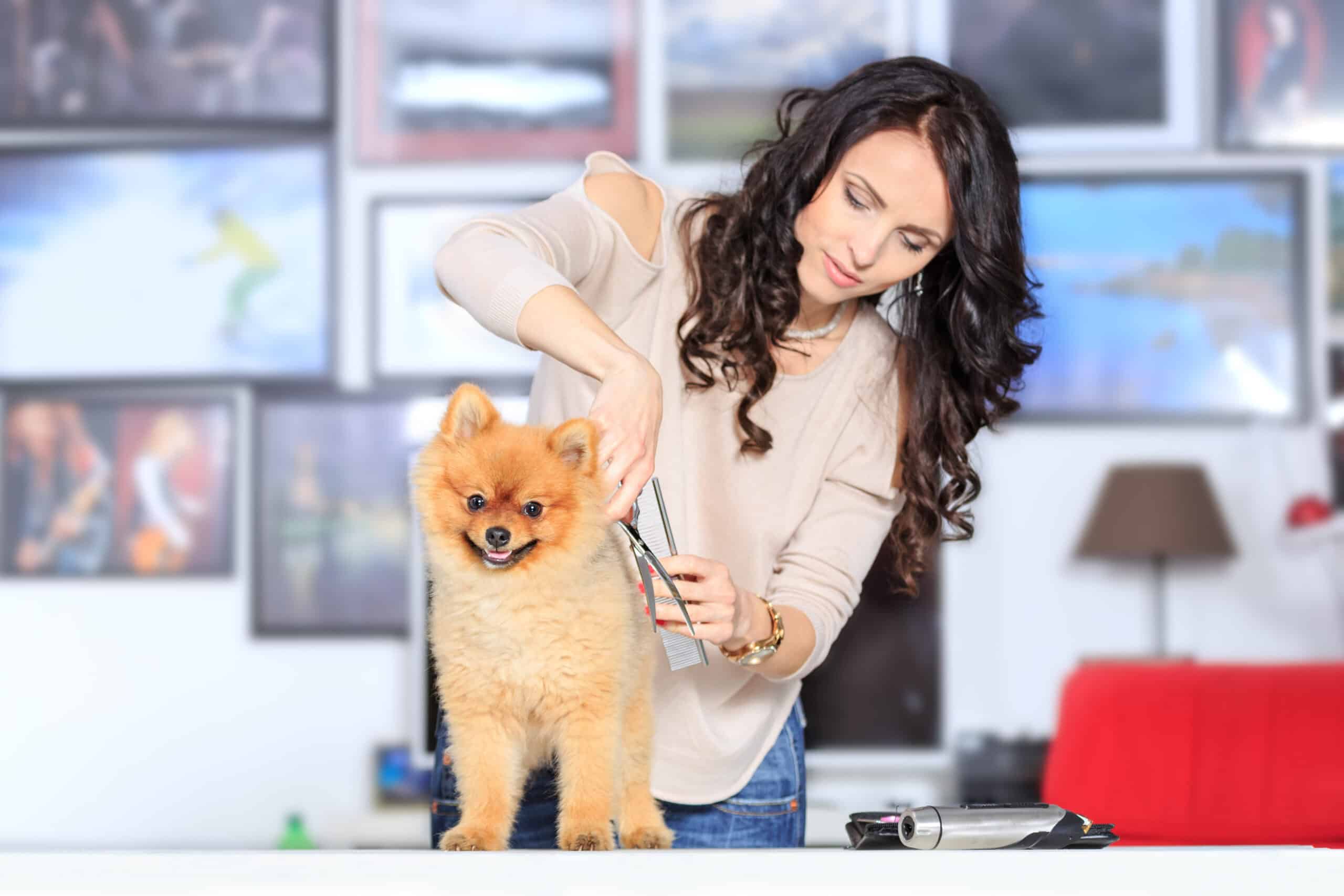
When you work holistically, you’re not grooming “a breed” or simply performing “a haircut” – you’re grooming an animal with a nervous system, a life history, and a body that changes over time. In HGA Philosophy, the student learns how age, development, welfare history, and health influence grooming tolerance and needs, so they can confidently build a bespoke care plan that caters to a dog’s individual needs.
Why life stage matters in grooming
There are five key categories of dogs that a professional groomer will come into contact with during their career:
- Puppies
- Adolescents
- Disabled and/or dogs with special needs
- Senior and geriatric dogs
- Welfare-dogs (neglect, poor coat care, overwhelm, and sometimes abuse history)
But even still, the shared goal is simple:
groomers must learn to adapt their approach to, first, safeguard the dog in front of them, before thinking about the aesthetic goal.
This matters because each category of dog demands a very distinctive outlook to the way grooming processes are carried out – each stage of a dog’s life brings about needs that reflect developmental changes/shifts.
Let’s look at these a little more…
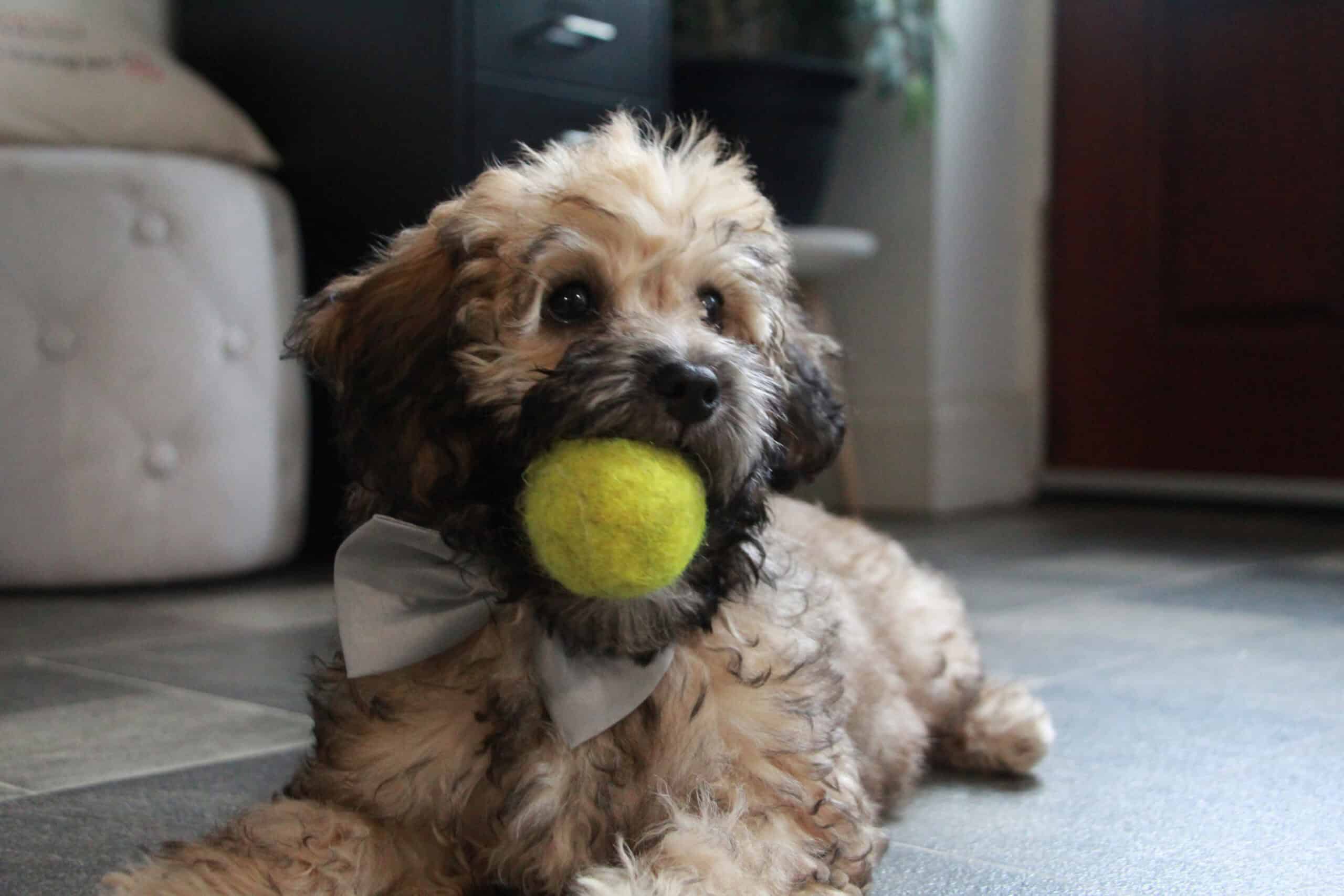
The puppy stage
A puppy’s early world is shaped by biology, not human expectations – you can read more about the significance of puppy grooming in my article here – so, let’s focus on what this means:
- Newborn stage (0–2 weeks): at this stage, puppies rely mainly on their sense of touch. Their brains aren’t fully developed at birth, so the mother’s role in providing comfort, correction, feeding, and grooming, is everything.
- Transitional stage (2–4 weeks) – a puppy’s senses begin to develop and they start showing more recognisable canine behaviours that we, as humans, have came to love.
- First socialisation period (3–6 weeks) – this is where you’ll see play, early dog-to-dog interaction, and bite inhibition learning begin. Puppies are often more resilient during this period, which is why gentle, positive exposure to different textures, voices, and basic handling, can be so powerful when done correctly by breeders.
- Second socialisation period (2–6 months) – when a puppy arrives at their new home, they have transitioned into the second socialisation period, where they are faced with more challenging experiences. This starts with the first potentially traumatising ordeal of being taken from their mother and littermates, followed by the introduction of teething, toilet training, household training and more. It’s during this stage that many families accidentally create grooming aversion by “getting it over with” instead of introducing tasks gradually. To understand home grooming in greater detail, consider purchasing my book, ‘Help! My Dog Hates Grooming‘.
The ‘Fear’ Phase
You must be able to explain fear periods clearly to carers, because the grooming salon can amplify fear if we rush through the process without considering what a puppy needs to feel safe.
- First fear period (typically around 8–10 weeks) – a negative incident during this first fear period can last, especially if the carer panics, floods the puppy with exposure, and/or accidentally teaches the puppy that their perceived fear does, in fact, mean danger.
It’s important that a carer:
- stays calm and grounded
- works in puppy steps, not human leaps
- avoids flooding (attempt to do everything in one week and/or at the one time)
- uses positive distraction (play, food, movement)
When carers understand and support their puppy through this period, puppies arrive at grooming with far more resilience which can help make professional grooming activities low-stress from the very beginning.
The adolescence period
Adolescence is typically between 6 and 24 months (often longer in larger breeds, and sometimes less with smaller breeds).
During this stage, many dogs are labelled “naughty”, “disobedient”, and even, “spiteful” for not cooperating to grooming tasks, even those they once enjoyed.
The truth is far simpler and much less about the dog intentionally being unreasonable – they’re experiencing hormonal surges, brain development changes, and often, what behaviourists describe as the ‘second fear phase’.
During adolescence, you may see:
- restlessness and frustration
- sudden fear of familiar equipment
- reduced tolerance for restraint
- increased reactivity if overwhelmed
And so, with that in mind, the approach must stay remain consistent and positive.
Think about:
- keeping sessions short
- offering rest and toilet breaks
- prioritising minimum welfare tasks
- avoiding punitive handling and force
- returning to basics to rebuild confidence
If trauma happens in adolescence, bouncing back can be harder and so, it’s imperative that groomers try to prevent negative experiences completely.
The adult stage
It’s incredible just how many people assume that adult dogs have the least “problems” – we often expect that dogs will be the healthiest they’ll ever be while in their best years, that the reality can often be surprising and upsetting.
The adult stage is typically considered between 2 and 7 years of age, but as I’ve suggested, it would be unwise to assume that a dog is “healthy” just because they are in their prime.
Genetics, poor breeding, lifestyle factors, and also silent pain mean you still need observation and health checks every time you see an adult dog – never assume that a dog is going to be consistently healthy.
But also, remember, all dogs have bad days as well.
Female-specific welfare
You must factor reproductive stages into grooming decisions including:
- Heat cycles – these can bring discomfort, lethargy, distraction, and increased sensitivity
- Pregnancy and lactation – require stress minimisation to ensure the unborn pups and mum remain healthy
- Phantom pregnancy – can include guarding behaviours, distress, and mood changes
In most cases, the kindest decision is postponing grooming entirely, unless for welfare purposes where simplifying or even splitting up sessions might be the alternative.
Holistic dog grooming protocol is all about putting the dog first, always.
Senior and geriatric grooming
Many groomers don’t realise the difference between senior and geriatric but there are some subtle differences that can make a quite substantial impact on how we approach grooming processes, holistically.
Senior dogs are typically considered between 7 and 9 years of age – they may be displaying early signs of disease which will undoubtedly begin to influence their behaviour and ability to live day-to-day.
For example, a carer and groomer can expect gradual changes including:
- reduced activity and stamina
- brittle nails / faster nail growth
- dental concerns and bad breath
- lumps, skin tags, and warts
- digestive changes
- coat and skin changes
With geriatric dogs typically being consider 10 years and above, there may be more advanced and visible signs of ill-health, and in most cases, these dogs will be on medication and follow a strict regime to help manage things like pain.
There are common, diagnosed, disorders we can expect from most breeds of dog during this end-of-life stage, including:
- arthritis, dysplasia, and/or spinal pain
- cysts, tumours/cancer
- seizures and/or epilepsy
- cognitive dysfunction
- sensory loss (hearing/vision)
This can be one of the most emotionally challenging parts of the groomer’s job since it can often be upsetting to see a dog you’ve developed a bond with over several years, decline.
Grooming geriatric dogs will not only leave the groomer feeling devastated, it can also expose the groomer to additional risks that need to be carefully considered including:
- sudden behavioural changes (sometimes unpredictable due to side-effects of medication or confusion/disorientation)
- a quicker advancement of symptoms often exasperated by stressful events, such as grooming
- the risk of sudden death (heart attack for example)
In Holistic Grooming Philosophy, we encourage students to accommodate to the dog’s needs over and above all other expectations – this might mean offering to groom geriatric dogs in the comfort of their own home, performing comfort grooms irrespective of the dog’s coat type, and only grooming the bare minimum that needs done to ensure the dog remains as comfortable as possible.
Matting and immediate welfare intervention
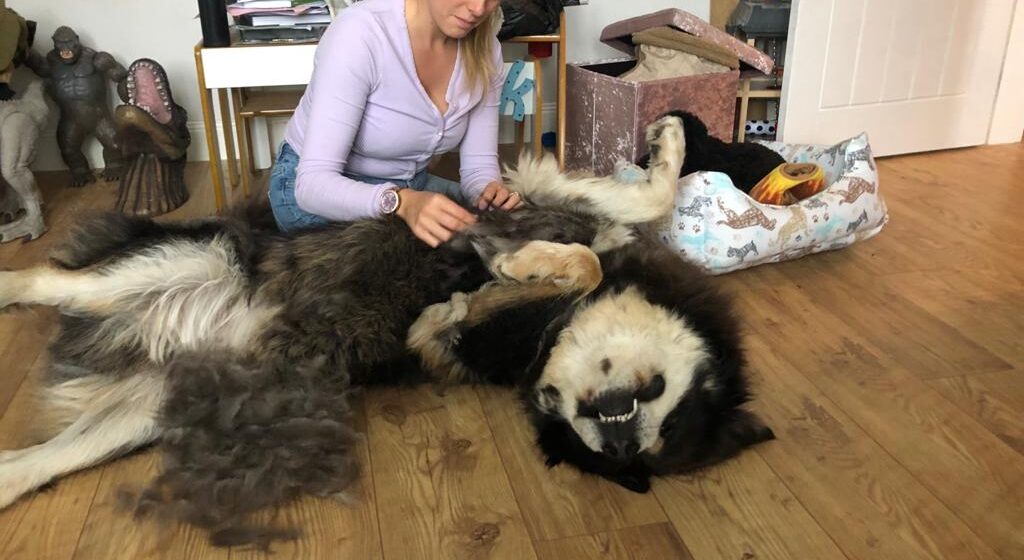
In some instances a groomer will be faced with neglect cases – this may be a dog who has recently been rescued, or it could be that a carer is physically incapable of keeping up with daily grooming at home and their dog has ended up severely matted.
Matting causes a dog considerable pain and leads to more serious skin disorders when left untreated.
There’s very little a groomer can do to prevent trauma (emotional and physical) during extensive matt removal, but it’s important that we do everything we possibly can to make the process as tolerable as possible for the dog.
In some instances, especially where the dog is expressing significant psychological distress that it becomes an imminent threat to their safety, a vet referral is required. Vets are very experienced in helping to support dogs with severe psychological disorders, and can prescribe and/or administer medication to help reduce the behavioural consequences of pain and/or anticipatory pain. Where appropriate, they may offer to sedate a dog fully to perform a “clip off” but where a dog poses a higher risk (if they are elderly and/or have underlying health conditions), a milder medication may be the alternative, and a groomer can perform a clip off under their supervision instead.
Due to the risks and potential sudden behavioural changes, it is often necessary to physically restrain a dog to prevent a bite and/or other injuries – of course, this is a last resort and the only instance where The Holistic Grooming Academy will encourage the overuse of restraints as a matter of immediate welfare intervention.
Compassion goes a long way
It’s incredible difficult not to resent carers who bring matted dogs into the salon, especially repeat offenders, however it’s important to try and refrain from judgment and instead, attempt to educate and support carers to change.
I had a dog who used to come into the salon matted every single time – the dog was always dropped off and collected by the carer’s daughter – and after a couple of appointments, I decided to express my concern over the condition of the dog’s coat to her. As it transpired, she was unaware that the dog was matted but went on to explain that her mum had dementia. Suddenly, it all made sense.
Sometimes, it’s not as simple as a dog carer deliberately neglecting their dog, and while it’s not our responsibility to play detective and find out why a dog is coming in matted all the time, it certainly helps to understand. With the dog in my personal example above, I was able to arrange more frequent grooming sessions to help prevent the build up of matting going forward, and instead of leaving the dog in full coat (as requested), I compromised with a shorter, welfare groom which meant the carer wouldn’t need to worry about brushing at all.
And obviously, there are instances where we come into contact with individuals who simply don’t have the best interests of their dog in mind, and it’s important that we weigh up our options and our obligation to report suspected abuse to the relevant authorities.
To learn more about my Accredited CPD Course, Behaviour Grooming Theory, join our Skool community here!