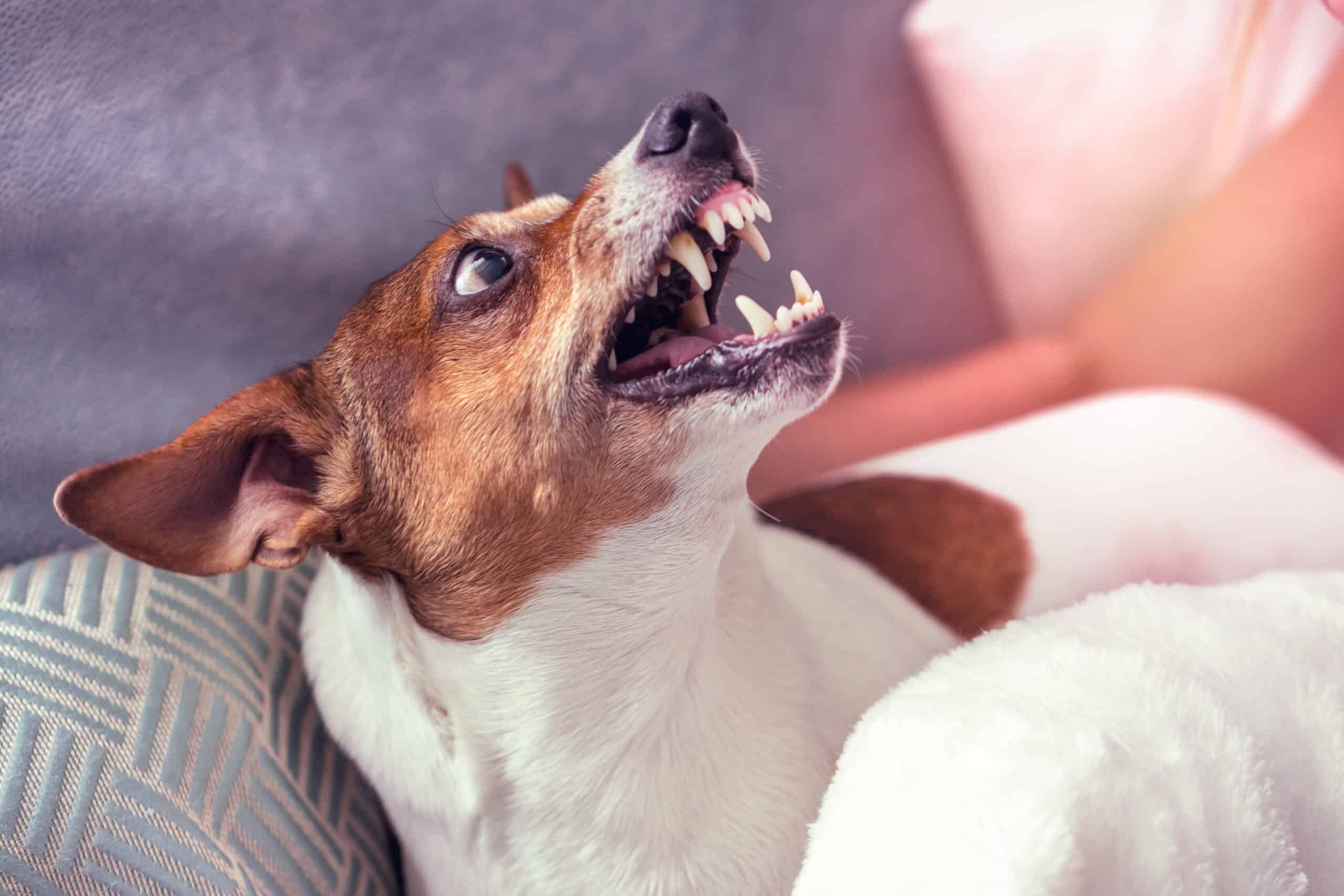
Have you ever noticed that there are some breeds that the grooming industry naturally repel? You typically will come across a Facebook post that shows a half eaten hand alongside the caption “Guess the breed” and within a matter of seconds you have an influx of comments declaring the most likely culprits:
Chow Chow (every time!)
Mastiff (they are bred to be evil!)
Yorkie (man they always look so sweet too!)
I have – countless times!
Fear-mongering isn’t just unhelpful, it’s actively harmful to both dogs and the grooming industry overall because it fosters a culture of intolerance based on assumption rather than facts.
The Problem with Breed Stereotyping
When we pre-judge a dog based on breed assumptions we create a self-fulfilling prophecy.
Our apprehension and defensive body language communicate anxiety to the dog, increasing their stress levels and likelihood of defensive behaviour. We approach them with tension rather than calm confidence, handle them more restrictively, and interpret normal stress signals as “proof” of their dangerous nature.
Breed-specific stereotyping isn’t just ethically problematic, it’s scientifically unsound and actively detrimental to bite prevention efforts.
When we attribute behaviours like biting to breed alone, we miss the opportunity to identify and address the actual cause.
In fact, research consistently demonstrates that breed is a poor predictor of individual dog behaviour, in one comprehensive study published in Science (2022), researchers analysed over 18,000 dogs and found that breed accounts for only approximately 9% of behavioural variation in dogs. The study concluded that “behavioural variation within breeds is much greater than between breeds.”
With the recent ban on XL Bully’s specifically, The American Veterinary Medical Association (AVMA) states clearly: “Controlled studies have not identified this breed group [pit bull-type dogs] as disproportionately dangerous.”, and instead they emphasise that factors such as socialisation, training, health status, along with the behaviour of victims are far more significant predictors of bite incidents.
Despite efforts from various animal welfare organisations and charities such as ‘Save Our Seized Dogs – Putting BSL to Sleep’, RSPCA and The Dogs Trust, government officials continue to scrutinise breeds based on stereotypes alone, and actively encourage the General Public to fear such breeds.
That, alongside the scaremongering of less behaviour-savvy pet professionals, gives life to the myth that certain breeds are inherently dangerous whilst others are inherently safe.
This is a dangerous oversimplification that compromises both welfare and safety, and one that needs addressing sooner rather than later.
Individual Dogs, Individual Personalities, Individual Needs
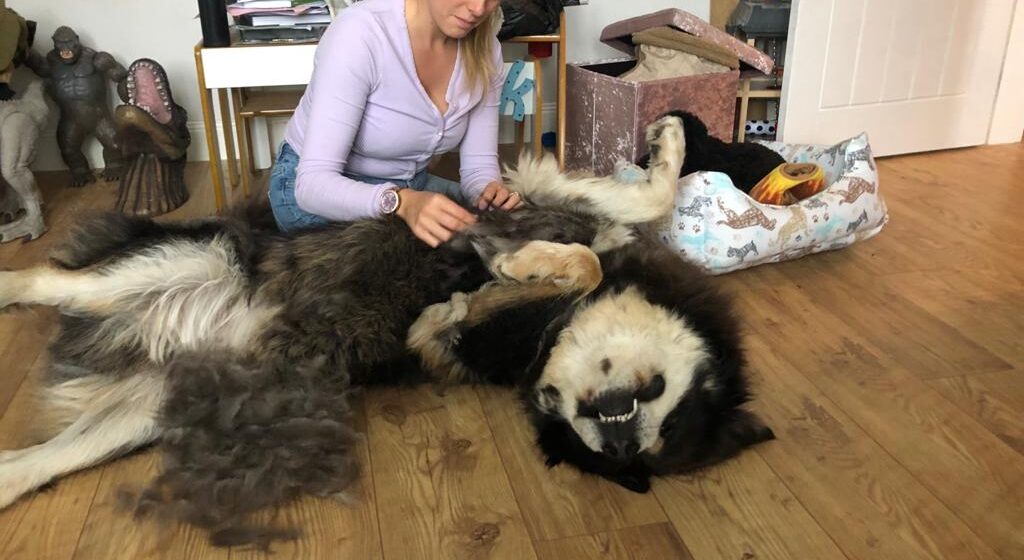
Behold the Chow Chow – you may have already came to witness the scrutiny that exists around these fluffy, medium sized dogs.
“Groomer Beware!”
“Groom at your own risk!”
“On your grooming hand be it!”
And yet, despite the very common breed stereotyping of these breeds in our industry, I have to admit they were one of my all-time favourites to work with.
At one point, I had around eight regular Chow clients who visited me on a regular basis – all with different needs, temperaments, and grooming requirements – yet not one made me fearful of working with them (much the contrary).
Sure, it could be said that having Tibetan Mastiff’s at home gave me some personal insight into the prejudice surrounding big, intimidating breeds but I’d like to think that even without my experience living with big, misunderstood creatures, I would have been open-minded enough to at least get some of my own experience working with certain breeds before ever branding them “dangerous”.
Case Study
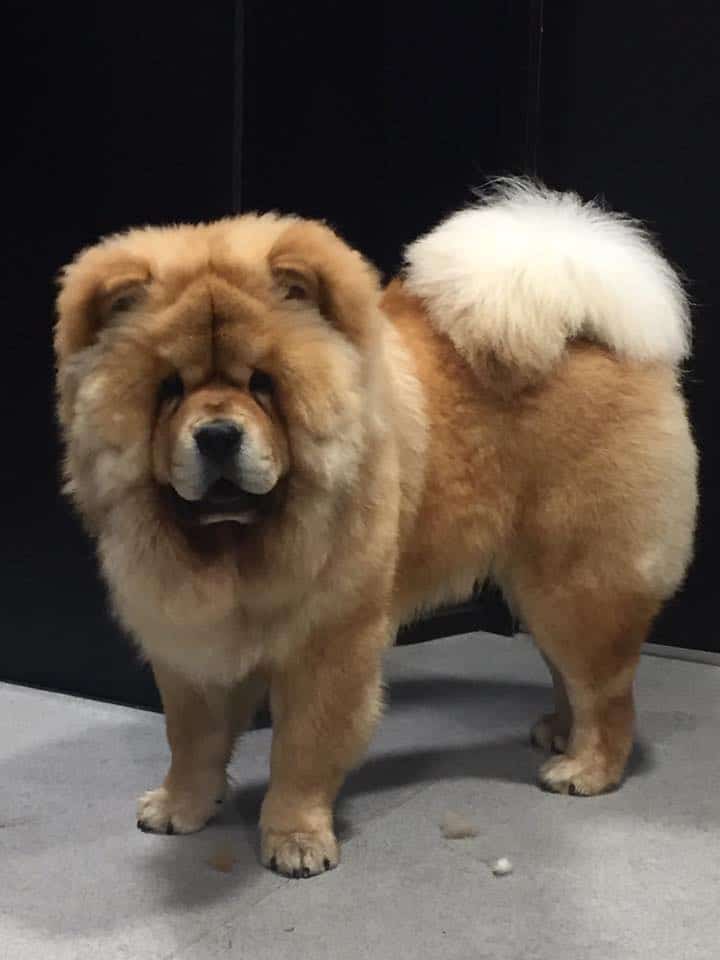
Zeus had been passed from pillar to post as a result of his “dangerous” behaviour. Zeus had not long turned 2-years-old, and had already been placed on the groomer’s blacklist. His human had came to me as a last resort, travelling a 2-hour round trip just to try and avoid the dreaded Vet sedated clip off on his precious double coat.
He entered my salon wearily but cooperatively and couldn’t have been there longer than 10 minutes before I saw it.
Zeus wasn’t “dangerous” at all – Zeus was clearly in pain.
After a trip to the Vet a few days later, they confirmed what I had suspected (but was careful to not diagnose) – Zeus had Entropian on both eyes that would require corrective surgery (I do give credit to my experience with one of my TM’s on this occasion since my female, Nala, also had eye issues which gave me insight and the experience needed to recognise the signs in Zeus early).
We established that Zeus was not requiring immediate grooming, only that his carer wanted to have him thoroughly deshedded – so she was taken through proper technique via my Grooming Masterclass, given the appropriate tools and was sent home with the task of doing it herself in the comfort and security of his home, which would give him time to have his surgery, recover and get booked in when he was feeling better.
2 and a bit months later, he came in and, low and behold, was an absolute gem.
My point is that when we have a preset idea of how we think a dog is going to behave based on what they are rather than who they are, we are less open to the possibility of other factors driving specific behaviours we may consider to be undesirable, and we will be more likely to miss vital clues that could point help to address underlying problems.
And in the case of Zeus, this absolutely was the case.
If not breed, why do some dogs seem to behave so badly?
I’ve had various groomers ask me this question, and my reply is always the same:
Define what bad behaviour is.
Because our perception of “bad behaviour” is typically just behaviour that is normal to dogs – we often forget that dogs are not human, and therefore have, a completely different vocabulary.
Upon digging further, I’ve found that in the majority of cases, a groomer considers bad behaviour to be:
- an unwillingness to cooperate
- mouthing/pawing
- crying/whining
- barking
- reactivity
- aggressiveness (or what they consider to be aggressive)
There’s definitely a scale of behaviours that groomer’s subconsciously rank from bad to worse, and it’s close to the above list, but the truth is, all of those things are still not “bad” behaviour – they are however, behaviours needing to be deciphered and resolved.
Based on my years of observation, I’ve came to the conclusion that the driving feeling behind these behaviours are typically one or both of the following things:
FEAR and/or PAIN.
Focusing on fear first, dogs may fear:
- Unfamiliar handling and restraint
- Loud equipment (dryers, clippers)
- Previous negative grooming experiences
- Lack of predictability or control over the situation
- Sensory overload in busy salon environments
Note: The groomer’s own fear and apprehension might also cause a dog to feel anxious – a study in Applied Animal Behaviour Science (2018) found that fear-related behaviours were the most common precursors to aggression in veterinary and grooming contexts.
All of the above could be avoided through carefully devised care plans that consider needs and the gradual introduction to grooming tasks. While more conventional training providers may emphasise that the role of the groomer is to style a dog, not train (or rehabilitate), I’d beg to differ.
But Groomers Aren’t Trainers or Behaviourists
Remember, there are no scenarios or environments that closely resemble that of a professional grooming environment.
Regardless of how well a person may have prepared a dog for brushing, nail clipping, or even more advanced activities such as clipping at home, this does not prepare a dog for the environmental stressors that exist in a grooming salon.
There’s no better way to help a dog adjust to professional grooming, than for the professional groomer to work on desensitisation where the dog is expected to be groomed on a regular basis. Fact.
Therefore I would argue that, in order to prevent a lot of reactivity in dogs, both the carer and the groomer needs to be willing to lower their own expectations on how grooming sessions “should” go, and be open to an ‘adjustment period’ where the dog gets the time needed, to form positive associations.
You want to prevent dog bites? Well, you’re going to have to put in the work to show the dog that you, your environment and the grooming process is safe.
Now on to pain…
How Pain and Grooming Connect
Physical discomfort is a significant – and often – overlooked factor in the grooming salon which in my opinion, is unacceptable.
When we consider how physically invasive a typical grooming session is, it goes without saying that any existing conditions (identified or not) will be compromised if a groomer isn’t mindful.
Over the many years I’ve been supporting groomers, only a fraction of them can say that pain was ever mentioned during their training days, and even less could say that pain was ever considered an influential factor to grooming processes in the corporate-led part of the industry.
Instead, it’s not uncommon for groomers to be taught how to restrain and control uncooperative dogs, further exacerbating the discomfort of many dogs.
Undesirable behaviours are a natural defence to a dog in pain – you cannot expect a dog to be forced despite discomfort without their being behavioural consequences.
Research published in Frontiers in Veterinary Science (2019) demonstrated a clear correlation between chronic pain conditions and increased aggressive responses in dogs.
The risk of bites is, again, much higher when a groomer fails to identify and respect pain in dogs – regardless of whether the pain is a result of a medical disorder, a situational factor (such as the misuse or overuse of restraints), or something else.
Pain exists for various reasons, commonly:
- Matted fur which pulls on a dog’s sensitive skin
- When joints are manipulated during the handling process of grooming
- Skin conditions that cause hypersensitivity to touch
- Ear infections which makes ear cleaning unbearable
- Dental disease which makes facial handling painful
- Any medical condition
- If a dog is having an “off day” – headaches or general ill-health
The list goes on.
And in some cases, it may just be the anticipation of pain, which can occur in dogs with chronic conditions, or conditions that have happened various times before throughout the dog’s life – everything is signifiant.
According to the team over at Canine Arthritis Management (2025), 1 in 5 dogs over one-years-old are chronically suffering Osteoarthritis, and at least 80% of dogs over 8-years-old.
There was once a time when youth would signify health, but research is strongly opposing the assumption.
Signs of a dog in pain includes (but is not limited to):
- A lack of interest in things they enjoy
- Increased irritability
- Restlessness at night
- Curved posture
- Muscle tone loss
- Uneven weight distribution
- General stiffness
And actually, in mostly all cases, pain will go completely unidentified for months, even years due to the instinctively stoic nature of dogs.
Australian Holistic Vet, Dr Edward Bassignthewaite has dedicated his career in researching what he refers to as ‘Silent Pain‘, believing that all dogs suffer some form of pain as a result of day-to-day “wear and tear”. His work has been cited by various behaviourists and therapist over the years, and is well-respected in the Veterinary world as well.
To hear our really insightful Q&A, you can join my Skool Community FREE here and gain instant access to that and many other informative Q&As from some of the world’s most inspiring pet care experts.
So, hopefully you should now know that undesirable behaviours, and dog bites, are typically the result of stress, fear and pain but how and when should a groomer consider breed specifics?
Breed-Specific Considerations
It is important to acknowledge that certain breeds are predisposed to specific health conditions that may very well increase the risk of dog bites – not because of temperament per say, but because they are more susceptible to suffering disorders that will have an impact on their tolerance and behaviour.
For example:
Cocker Spaniels: Prone to chronic ear infections and “Cocker rage syndrome” (a form of idiopathic aggression potentially linked to serotonin dysfunction), which may increase reactivity during grooming.
Cavalier King Charles Spaniels: High incidence of syringomyelia (a painful neurological condition) that can make head and neck handling extremely uncomfortable.
German Shepherds: Susceptible to hip dysplasia and degenerative myelopathy, making positioning and handling potentially painful.
Brachycephalic Breeds (Pugs, French Bulldogs): Respiratory compromise can make restraint and stress particularly dangerous, potentially triggering panic responses.
Doodle Breeds: Whilst not a health issue per se, their coat maintenance requirements often lead to severe matting, which causes significant pain during grooming.
Chow Chows, Akita’s (and other mastiff type breeds): commonly suffer hip dysplasia and/or entropion that can cause significant discomfort, especially during invasive handling.
BUT COMMON HEALTH CONDITIONS IN CERTAIN BREEDS ARE NOT REASON TO LABEL DOGS AGGRESSIVE – THEY ARE REASON TO ADAPT GROOMING PROCESSES TO SUPPORT THE DOG.
AND – JUST BECAUSE A BREED IS MORE LIKELY TO DEVELOP THESE CONDITIONS DOES NOT INSTANTLY MAKE THEM MORE DANGEROUS THAN ANY OTHER BREED.
For example:
A German Shepherd with healthy hips is less likely to react defensively than a Lhasa Apso with undiagnosed arthritis.
A Chow with properly managed health needs and respectful handling can be an absolute pleasure to groom meanwhile a badly socialised Golden Retriever might struggle with any handling at all.
The Danger of Presuming The Worst in Breeds
When we judge a dog before meeting them, when we allow fear-mongering and mockery to dominate the public domain, we are shaping perceptions through an outdated lens:
- We create self-fulfilling prophecies: Our fear and tension can increase the dog’s stress, making defensive behaviour in them more likely. We then interpret this as confirmation of the breed stereotype, perpetuating the cycle.
- We stop investigating and asking questions: Once we’ve attributed behaviour to breed, we stop looking for the real cause! We miss signs of an ear infection, or we treat behaviour and the matted coat as two separate things, we don’t think to consider the traumatic experience they had at the Vets a day or two ago. We fail to connect the dots.
- We compromise welfare: Breed stereotyping can lead to more forceful handling, reduced patience, and failure to implement appropriate modifications that cater to the individual needs of the dog. This approach contributes to the stress a dog feels which has a direct and simultaneous impact on the dog’s physical and physiological state.
- We miss warning signs in “safe” breeds: When we assume certain breeds are inherently gentle, we may ignore stress signals and miss opportunities to prevent bites in these dogs. Groomers must approach every dog mindfully and always observe and look out for signs of fear, anxiety and pain.
- We abuse anthropomorphism: Based on what we know today, dogs don’t bite out of spite or malice. All behaviours you see are the physical expression of an internal feeling. Remember, dogs are not human and they can’t communicate like we do – it may be time to redefine what we consider “bad behaviour” to mean in dogs.
- We foster intolerance: When we blame and/or ridicule certain breeds based on how they behave, we create a culture where assumption trumps professional assessment and competency. Suddenly, prejudice replaces compassion and many dogs are neglected before they’ve even been given a chance.
Evidence-Based Bite Prevention of All Dogs Regardless of Breed
Instead of judging breeds and reinforcing stereotypes, let’s focus on ways to safeguard the experience for both dogs and groomers irrespective of what breed they are.
Lets look at some potential ideas:
Carrying out a Comprehensive Behavioural Assessment (CBA)
This involves evaluating a dog’s:
- Body language and stress signals
- Previous grooming history – good and bad
- Existing care with other pet care providers and at home
- Current health status and any active medication/therapy
- Environmental triggers within the grooming environment and beyond
- Baseline anxiety levels before beginning a session (series of events before)
Pain Recognition and Management
Work collaboratively with veterinary professionals to:
- Identify underlying pain conditions
- Implement appropriate pain management protocols
- Modify handling techniques for dogs with known conditions
- Recognise subtle pain indicators during grooming
Cooperative Care and Consent-Based Grooming
Implement training protocols that:
- Teach dogs to participate willingly
- Provide clear communication systems
- Allow dogs to request breaks
- Build positive associations with grooming procedures
- Respect withdrawal of consent
Environmental Modifications
Create salon environments that:
- Minimise sensory overload
- Provide predictability and routine
- Reduce fear-inducing stimuli
- Allow for individualised pacing
Ongoing Professional Development
Invest in education about:
- Canine body language and stress signals
- Cooperative and consensual handling techniques
- Pain recognition in dogs
- Behavioural science and learning theory
- Species-specific communication
- Managing our own fear and bias
Raising Industry Standards Through Individualised Care
“Guess what breed” posts might generate engagement, shares, and a few laughs but they also spread fear and misinformation while damaging the reputation of our industry.
As grooming professionals, we should be committed to upholding the highest standard of animal welfare above all else, and this involves continuing our education and supporting others on understanding why dogs behave the way they do in a way that looks beyond our assumptions and human-led bias’.
I’m constantly hearing groomers complain about not being valued and/or struggling to raise their prices and I can’t help but wonder whether the problem is that we are not doing enough to demonstrate our professional excellency.
Social media can be a great tool for reaching into the homes of dogs who need our expertise, but when we use our platform to spread propaganda (even if we don’t realise it), what do we expect?
Instead, we should focus on sharing informative, productive and science-led posts that reflect the real skills of groomers. We should blame less, and start thinking outside the box, conventional grooming training puts us in.
Learn more about Breed Specific issues in the HGA community over at Skool – join a free space alongside other like-minded professionals and dog carers with a passion for updated, ethical care.
References
Morrill, K., et al. (2022). Ancestry-inclusive dog genomics challenges popular breed stereotypes. Science, 376(6592).
American Veterinary Medical Association. (2023). Dog Bite Prevention. AVMA Policy.
Mariti, C., et al. (2018). Perception of dogs’ stress by their owners. Journal of
Veterinary Behavior, 27, 1-8.
Packer, R.M.A., et al. (2019). Impact of Facial Conformation on Canine Health.
Frontiers in Veterinary Science, 6.
Have Your Say!
What strategies have you implemented in your salon to move beyond breed stereotypes and address the real causes of defensive behaviour? Share your experiences in the comments below.