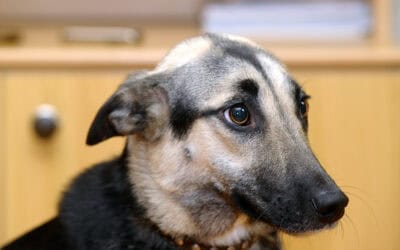
When we understand cognition, emotion, and the autonomic nervous system, we stop seeing behaviour as “difficult” and we start seeing it as communication.
One of the most common causes of dog bites in grooming is unidentified, unresolved fear or pain.
Dog Behaviour & Training
Beyond Breed Stereotypes
Have you ever came across those “Guess the Breed?” social media posts that attempt to kickstart a conversation on typical dog breeds to bite in the grooming salon? I have, and make no mistake – they aren’t educational tools that can help you evade potential bite incidents in your salon. These posts will only instil fear, reinforce dangerous stereotypes, ridicule certain breeds, and encourage you to judge dogs based on their appearance before ever meeting them as individual.
Identifying and Understanding Dog Stress Signals During Grooming
You’ve just started clipping when you notice some strange gestures: a lip lick, the white’s of the dog’s eyes, a paw lift, and maybe even raised hackles. Are these just random behaviours, or is your canine client trying to tell you something important?
If you’re a professional groomer or pet carer attempting at-home grooming, understanding what stress signals are isn’t just helpful, it’s essential for ethical, welfare-focused care, and safety. Yet surprisingly, many of these subtle signs go misinterpreted and/or ignored until a dog escalates to more severe stress behaviours like growling, lunging and/or snapping. In many cases, the dog may be blamed for being “naughty”, unhinged even, when the reality is that they have been pushed to the point they have no other option but to respond more severely.
Beyond the Lick: What Your Dog Is Really Trying to Tell You
Your dog approaches and begins licking your hand, face, or arm, and the immediate assumption is,...
How Conventional Grooming Contributes to Pain and Stress in Dogs: A Deep Dive and Roadmap to Recovery
Grooming is often regarded as a routine part of canine care, yet beneath the surface of many conventional practices lies a cycle of escalating stress, tension, and ultimately pain for countless dogs. As the pet care industry evolves, it’s time to challenge outdated approach and embrace a welfare-first one instead – one that recognises complex interplay between behaviour, physical health, and emotional well-being.
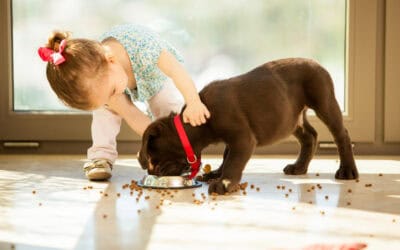
Safe Dog Interaction: Respect, Consent, and Safeguarding Families with Dogs
The festive season should be a time of joy, yet, as highlighted by recent South Yorkshire Police statistics, it too often brings a spike in serious dog bite incidents. Between 24–26 December alone, police received 15 calls for dog-related injuries or fear, with victims ranging from toddlers to elderly couples. These are not isolated cases – they’re a stark reminder that prevention, education, and respect for our canine companions are absolutely essential (South Yorkshire Police, 2025).
Dogs Are Like Onions: Understanding the Layers of Canine Wellbeing
You might remember the famously funny scene from ‘Shrek’ where the world’s most grossly misunderstood ogre explains to Donkey, ‘Ogres are like onions… we have layers.’ Well, as it turns out, dogs are remarkably similar. Dogs, just like onions (and ogres!), are often grossly misunderstood beings composed of multiple intricate layers (or ecosystems) that rely on one another in order to thrive fully. And today, I want to spend some time peeling back those layers to show you just how significant they are in ensuring that dogs live a long and prosperous life.
Redefining Excellence: The Welfare Debate Within Grooming Competitions
I want to first start by saying I have tremendous respect for the skill and artistry that our...
Why I Would NEVER Use Drying Cabinets: The Science Behind Safer Dog Drying Methods
For many years now, we’ve been hearing that drying cabinets are a really great way to successfully dry nervous dogs but also to free up time and hands in a busy grooming environment. In fact, just the other day, I came across an advertisement for a new brand of drying cabinet, selling the same pitch but to the dog carer community. This particular company was using words like “relaxation” and “happy dog”, to convince people that their device was not only convenient but also an enjoyable experience for dogs (this was despite the dog in the advert looking completely traumatised while placed in one to demonstrate).
Why Neck Restraints in Dog Grooming Are Dangerous: The Science Behind Safer Alternatives
Conventional grooming processes often encourage the use of neck nooses when working with dogs on grooming tables and during bath time, as well as the use of slip leads for transporting dogs from one post to another, as physical safety devices in place to keep dogs free from injury and/or harm. Meanwhile, The Holistic Grooming & Behaviour Protocol goes against this tradition and encourages students to ditch the neck devices entirely and opt for harnesses and/or cooperative methods of handling instead. Conventional grooming processes often encourage the use of neck nooses when working with dogs on grooming tables and during bath time, as well as the use of slip leads for transporting dogs from one post to another, as physical safety devices in place to keep dogs free from injury and/or harm.
A New 2025 Study Proves The Significance of Trauma – What This Means For Groomers
We've all heard someone dismiss another person's struggles with a casual, "Well, it could have...
3 Dangerous Grooming Myths That Are Harming Dogs: What Science Really Says
All right friends, it’s myth-slaying time! I can’t count the number of times I’ve come across a...
How to Create a Low-Stress Grooming Environment for Anxious Dogs: 5 Science-Based Tips
The grooming environment is far more influential than most people realise. Before a single clipper...